Plastic Bag Policies Across The World

You know that rustle of a plastic bag? I used to love it. It meant a new t-shirt or maybe a bag of chips. But now, that sound is basically the battle cry of a global rebellion...
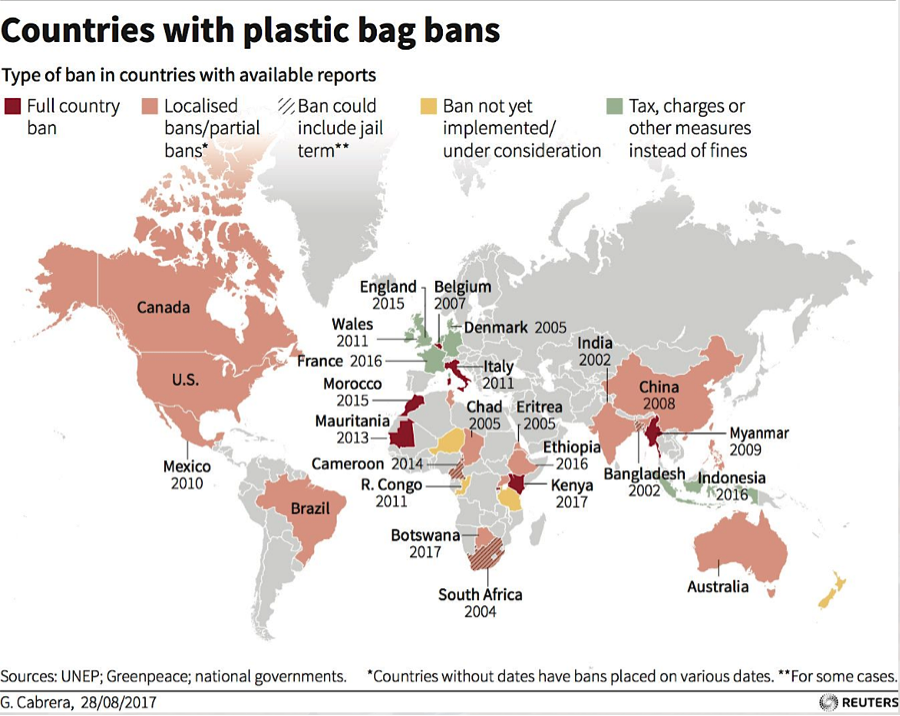
You know that rustle of a plastic bag? I used to love it. It meant a new t-shirt or maybe a bag of chips. But now, that sound is basically the battle cry of a global rebellion.
The Great Plastic Bag Awakening
For decades, we treated plastic bags like they were free candy. We used them for ten minutes, then tossed them into a landfill where they’d outlive our grandkids’ grandkids. It’s a little awkward, right?
The truth is, these flimsy carriers are terrifyingly persistent. They clog oceans, choke turtles, and break down into microplastics that end up in our salt, beer, and apparently, your next sushi dinner. Yum.
Must Read
But don’t panic—the world is fighting back. And it’s doing so with a mix of genius, grit, and some genuinely hilarious loopholes.
Africa: The Plastic Bag Graveyard
East Africa doesn’t mess around. Kenya has what might be the strictest bag ban on Earth. If you’re caught using, making, or even importing a plastic bag, you could face four years in jail or a $40,000 fine. Yes, you read that right. Four years for a bag.
Rwanda goes even harder. The country has banned plastic bags since 2008. Tourists have to surrender their bags at the airport. It’s like a bag-pat-down without the awkward body search. The result? Kigali might be the cleanest city you’ll ever see.
Meanwhile, South Africa took a different route. They just taxed them heavily. Now, they’ve made blue plastic bags thicker and reusable. People call them “the new national flower” because you see them everywhere. Poetic, right?
Europe: The Land of Fees and Feelings
Europe is a patchwork quilt of bag policies. The European Union basically told all its members, “Hey, cut single-use plastic by 80% by 2025. Figure it out.” And they did.
 Sugarcane Bagasse Packaging: Corporate Compliance Green Passport
In Ireland, the “PlasTax” was a rock star. When they introduced a 15-cent charge in 2002, bag usage dropped by 90% overnight. People started carrying cute little totes like it was a fashion statement. Suddenly, canvas was king.
Over in Denmark, they were already ahead of the curve. They introduced a bag tax in 1993. That’s ancient history in bag-science years. Danes see bag fees as normal, like breathing or eating pickled herring.
But Italy? Oh, Italy is a rebel. They banned thin plastic bags for produce in 2018. But then, shoppers started using super-thick “reusable” bags that were actually worse for the environment. Oops. Classic over-correction.
Asia: The Tote Bag Superpower
Asia is a mixed bag (pun intended). China banned free plastic bags in 2008. The government said, “You want a bag? Pay up.” It saved the country an estimated 40 billion bags a year. That number is so big it sounds fake, but it’s real.
Japan is a polite rebel. They introduced a mandatory fee for plastic bags in 2020. But here’s the kicker—they made it optional for very thin bags. Why? Because Japanese consumers love the “eco-bag” culture. They fold them into tiny pouches that look like origami. It’s adorable and terrifyingly efficient.
 Government initiatives on plastic bag reduction policies. Black
Meanwhile, India banned single-use plastics in 2022, but enforcement is a wild ride. In some states, plastic bags are illegal. In others, they’re basically reincarnated as trendy sandals. The logic? “If you can’t beat ’em, wear ’em.”
The Americas: From Bans to Hilarity
North America is chaotic. Canada is trying to phase out single-use plastics entirely by 2023-2024. But they’re getting sued by plastic companies. It’s like a slow-motion courtroom drama starring a plastic bag as the villain.
In the USA, it’s a state-by-state casserole. California banned thin bags in 2016. But then people bought reusable bags… and threw them away. Oops again. New York banned bags in 2020, but delivery apps still use them like they’re made of gold. It’s messy.
Down in Chile, they went full power move. In 2018, they banned plastic bags in all coastal areas. Then they extended it to the whole country. President Piñera said, “We want to be the first generation to leave a better planet.” I’m not crying; it’s just the reusable bag dust.
The Weirdest Exceptions
Not every country hates bags. Bangladesh actually pioneered the ban movement in 2002. But stray dogs still drag empty bags around like trophies. It’s feral fashion.
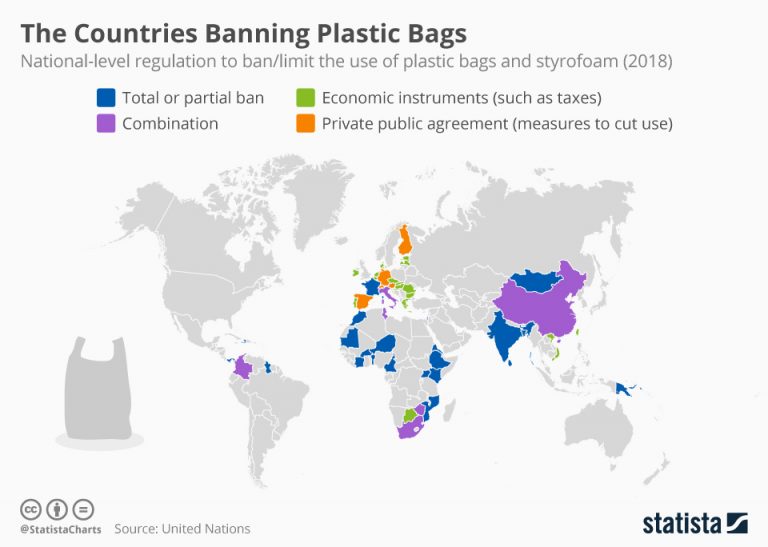 The Evolving Global Landscape of Plastic Bag Bans - Vivid Maps
Hawaii doesn’t have a state-wide ban, but every county does. So if you island-hop, you need a different tote for each island. It’s like a luggage riddle.
And Morocco? They banned bags in 2016. Then, a few shops switched to cloth bags made from imported plastic fabric. The irony could power a small city.
So, What’s the Verdict?
Plastic bag policies are a beautiful mess. Some places tax, some ban, some confuse everyone with thick “reusable” bags that are actually evil. But here’s the good news: we’re trying.
The global movement shows that humans can change a habit. We went from treating bags like air to treating them like the awkward ex you avoid at the grocery store. That’s progress.
And the best part? You don’t need a government to make a difference. Next time you grab a tote bag, give it a little pat. You’re part of the revolution. And if you forget your bag? Just carry your groceries like a Roman emperor. It’s good for your biceps and the planet.
So here’s to the victory of lettuce over landfill, of canvas over crisis. The plastic bag is losing its grip, and honestly? It sounds like the sweetest rustle of all.
