What Liquids Can I Carry On An Airplane

Picture this: you’re standing at airport security, clutching a suspiciously large bottle of shampoo, sweating like a guilty secret. The TSA agent eyes you with the weary patie...
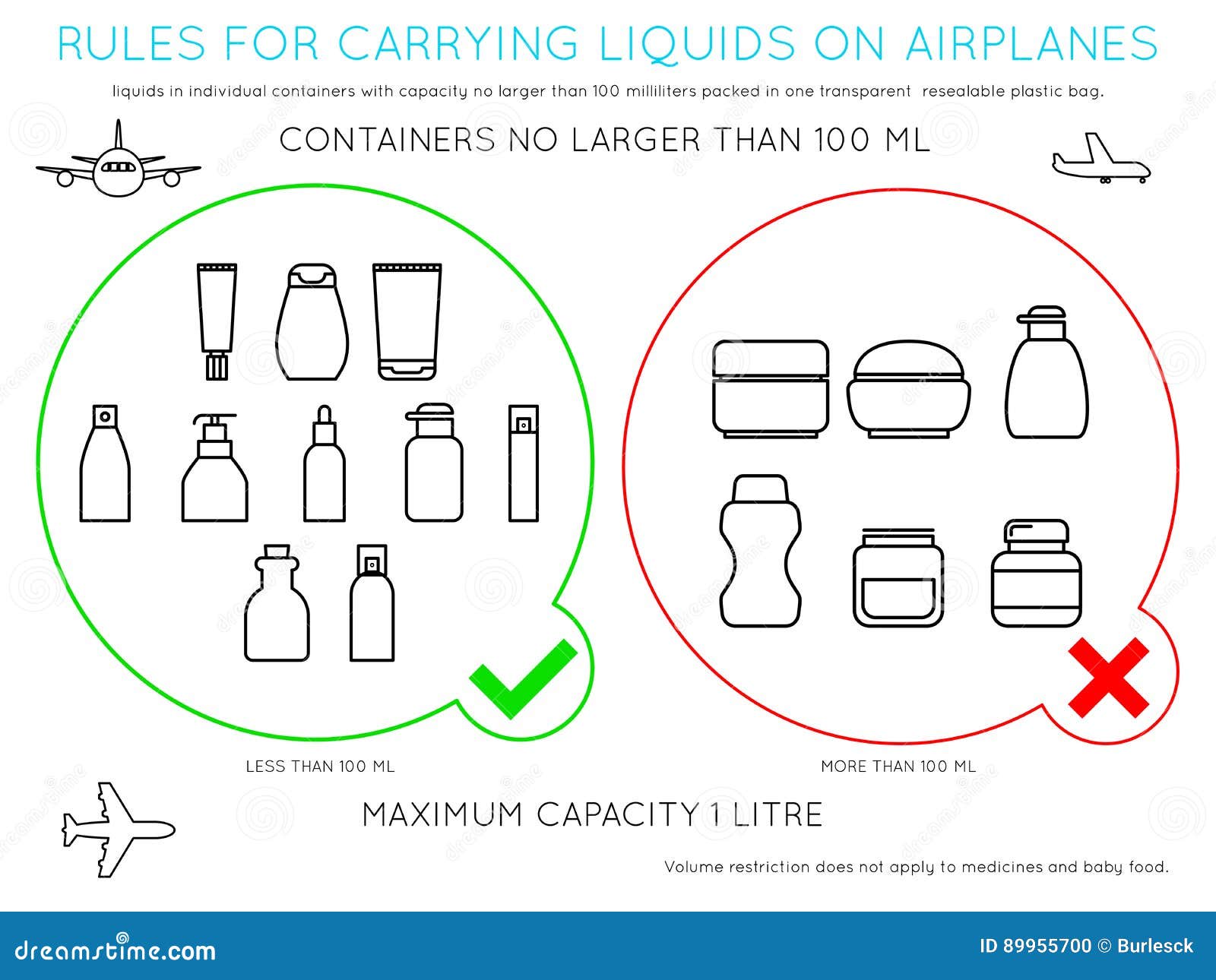
Picture this: you’re standing at airport security, clutching a suspiciously large bottle of shampoo, sweating like a guilty secret. The TSA agent eyes you with the weary patience of someone who has seen it all—and smelled most of it. We’ve all been there, wondering if our precious liquids will make the cut or end up in a bin of shame. Let’s unravel the magic of the 3-1-1 rule, before you’re forced to dump that artisanal hot sauce you bought as a souvenir.
The Holy Trinity: The 3-1-1 Rule
The golden rule of carry-on liquids is delightfully simple, if you squint: 3.4 ounces (100 milliliters) per container, all fitting into one clear, quart-sized bag, per passenger. That’s it. One passenger, one bag, one chance to avoid becoming a viral TikTok of chaos. Think of it as a tiny, transparent purse for your toiletries—except it’s the law, and the stakes are your sanity.
Why 3.4 Ounces? The Baffling Truth
Ever wonder why it’s 3.4 ounces and not a nice round number like 4? It’s because the rule originated from a 2006 terrorist plot involving liquid explosives, and the good folks at the TSA chose a limit that could be reliably tested. But here’s the kicker: 3.4 ounces is exactly 100 milliliters, and the metric system doesn’t care about your feelings. So if your fancy French face cream is 3.5 ounces, you’re either using some right now or saying goodbye to it forever. Choose wisely.
Must Read
What Actually Counts as a “Liquid”?
You might think “liquid” means water, soda, and maybe your emergency whiskey stash. Oh, you sweet summer child. The TSA definition includes any substance that is not a solid: gels, pastes, lotions, creams, aerosols, and even peanut butter. Yes, peanut butter counts as a liquid. I’ve seen a man argue passionately that his organic almond butter is a “spreadable solid.” He lost. He also lost his $12 jar of nut butter to the bin of sorrow.
- Liquids: Water, juice, soda, wine, tears after the wine is confiscated.
- Gels: Hair gel, hand sanitizer, contact lens solution, the mysterious goo in your frozen meal pouch.
- Pastes: Toothpaste, nut butters, hummus, and that regrettable avocado you forgot to eat.
- Creams: Sunscreen, moisturizer, and the cream cheese you smuggled for bagels—which is also a liquid, apparently.
The Sneaky Exceptions (Don’t Abuse Them)
There are a few magical items that escape the 3-1-1 prison. Medically necessary liquids—like insulin, liquid medications, and contact lens solution—are allowed in larger quantities, but you must declare them at security. Similarly, baby formula, breast milk, and toddler food are permitted beyond the limit, if you’re traveling with a tiny human who demands sustenance. Pro tip: Don’t pretend your iced coffee is “medically necessary for caffeine addiction.” They will judge you, and they will pour it out.
 Airline Liquid Rules: Master The Travel Size Limits | QuartzMountain
What About Duty-Free Booze (The Dangerous Game)?
Ah, the airport loophole: you can buy a giant glass bottle of duty-free whiskey after security, and the TSA won’t bat an eye. But here’s the catch: the bottle must be in a secure, tamper-evident bag provided by the store. If that bag is even slightly open, your whiskey becomes a potential weapon in their eyes. I once saw a woman try to shove a half-empty bottle of tequila into her carry-on; the security team had a discussion that involved “probable intoxication” and “no, ma’am, you can’t drink it now.” She did not board that flight.
The Solid-to-Liquid Conversion Chart You Didn’t Ask For
Here’s where it gets absurd: solid items like butter, margarine, and cheese are fine, but if they’re soft enough to squish? They might be considered a gel. Cakes are solids. Frosting in a tube? That’s a gel. Ice is a solid, but if it melts into water before security, congratulations—you now have a liquid. So your frozen water bottle can pass, but only if it’s still frozen when scanned. Pack your frozen peas strategically.
 What Are The Guidelines For Flying Domestic
How to Pack Like a Pro (Without Crying)
First: buy a quart-sized, clear, resealable bag—the kind that screams “I organize my life.” Fit all your 3.4-ounce containers inside, and stop trying to squeeze in that 4-ounce sunscreen. You will not win. Second: place that bag at the top of your carry-on for easy removal. TSA agents love speed; they hate watching you dig through underwear to find your toothpaste. Third: label nothing. Just kidding—but seriously, don’t bring a bag full of unlabeled syringes. That’s a conversation you don’t want.
The Hilarious Gray Zones
Surprising fact: canned tuna counts as a liquid because it’s packed in water or oil. So does salsa, jam, and that single-serving container of pudding you’re hoarding. But powdered energy drinks? Totally fine, until you mix them with water, then boom—liquid again. You can bring an empty reusable water bottle through security, then fill it at a fountain past the checkpoint. This is the one win we get in modern travel. Savor it.
The Final Word: When in Doubt, Throw It Out (or Check It)
If you’re ever unsure about a mysterious goo, ask yourself: “Can I live without this on a 3-hour flight?” If the answer is no, you have a problem. If the answer is yes, slap it in your checked luggage. That’s where the real liquid freedom lives—shampoo bottles the size of your leg, full-sized wine, and enough lotion to moisturize a small army. Just be careful: checked bags can leak, explode from altitude changes, or get lost forever. But that’s a story for another café visit and another flight.

