How To Find Stud In Wall Without Stud Finder

So you’ve got a shelf, a mirror, or maybe a giant framed poster of your dog. And you need a stud. No, not that kind. The wooden kind is hiding behind your drywall. You don’t h...
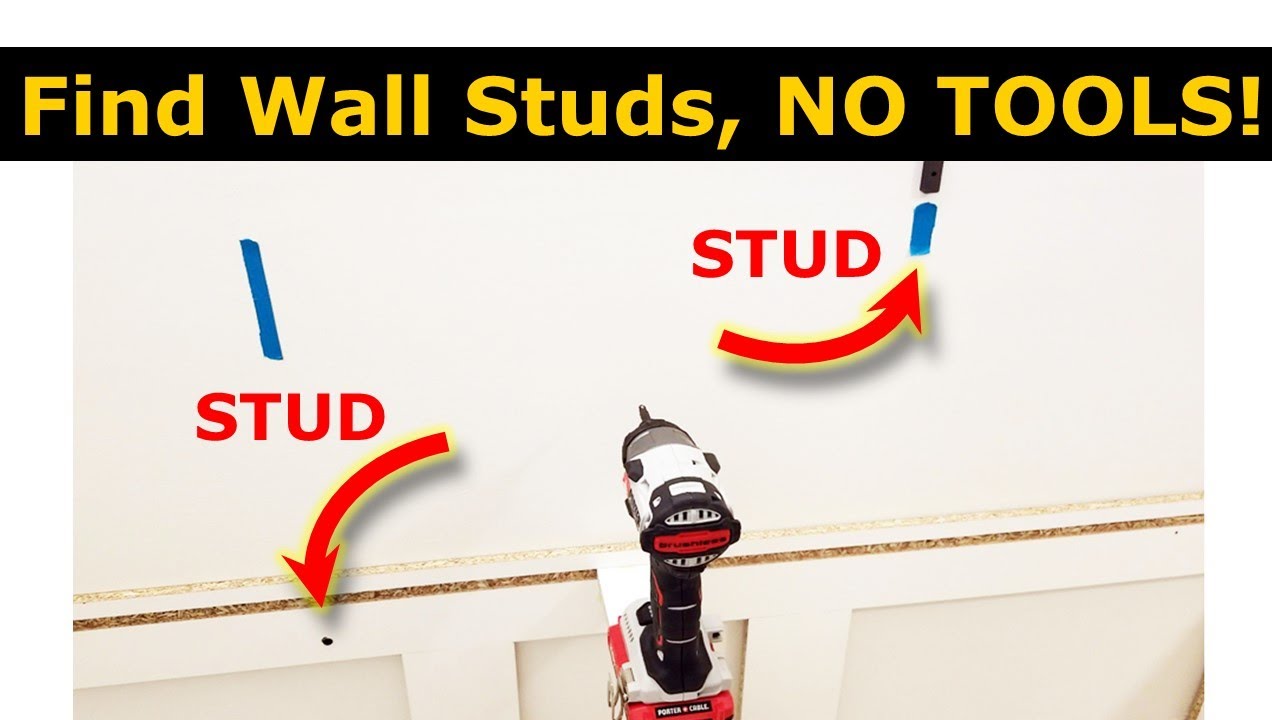
So you’ve got a shelf, a mirror, or maybe a giant framed poster of your dog. And you need a stud. No, not that kind.
The wooden kind is hiding behind your drywall. You don’t have a stud finder, so cool—let’s MacGyver this.
First, take a breath. Your wall isn’t a mystery forever. It’s just drywall, wood, and a little bit of chaos.
Must Read
Start With the Knock Test
Knock on the wall with your knuckle. Really. Just tap along like you’re checking a melon.
A hollow sound means empty space. A dull, solid thud means wood is back there. That’s your first clue.
Move your hand a few inches at a time. Don’t leap two feet and declare victory. Studs are often 16 inches apart, sometimes 24.
So keep tapping. Mark the solid spots with a pencil. Is knocking foolproof?
Nope. It’s a clue, not a confession. But it’s a solid start, especially with other tricks.
The Magnet Trick Is Weirdly Great
Drywall gets screwed into studs. Those screws are metal. A strong magnet will stick to them.
That’s your stud, basically waving at you. Grab a neodymium magnet if you have one. A fridge magnet won’t cut it.
Run it slowly along the wall in a straight line. When it grabs, you’ve found a screw head. Mark that spot.
Then check vertically. Screws usually line up in a column. That column is the stud.
Two or three magnet hits? Even better. You’re not guessing anymore.
Use a Flashlight Like a Detective
Turn off the lights. Hold a flashlight flat against the wall. Shine it sideways across the surface.
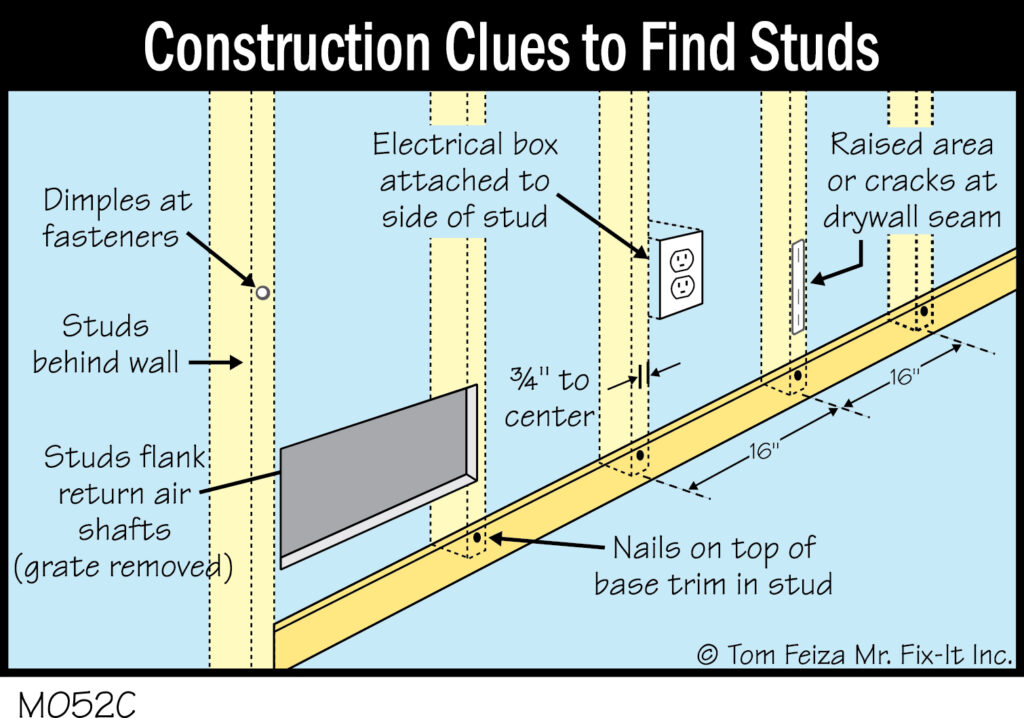
This is the raking light trick. You’re looking for tiny shadows. Drywall seams, nail pops, or little dimples.
 How to Find Wall Studs Without a Stud Finder
Those dimples often mean nails or screws. And nails or screws often mean studs. It’s not glamorous.
You’ll feel silly. But it works surprisingly often. Especially on painted walls with a bit of texture.
Check the Outlets and Switches
Outlets and light switches are usually attached to a stud. Not always, but usually. Turn off the power first.
Seriously. Then remove the cover plate. Look at the electrical box.
One side will have a screw or nail going into the wall. That side is likely on a stud. The other side might just be floating.
From there, measure over 16 inches. Or 24. Old houses love to break rules.
Mark your guesses and verify with the magnet or knock test. Easy enough.
The Tiny Drill Bit Last Resort
Okay, you’ve tried everything. Time for a small sacrifice. Use a 1/16-inch drill bit.
Drill where you think the stud is. If the bit slides through like warm butter, no stud. If it resists and brings up wood dust, hello stud.
Patch the tiny hole with spackle later. A tiny hole is way better than a giant anchor ripping out of drywall.
Trust me on that one. We’ve all had a bad anchor day.
What Not to Do
Don’t use a hammer to “test” the wall. That’s not testing. That’s demolition.
 Tips on Finding Wall Studs Without an Electronic Stud Finder - Handyman
Don’t trust those sketchy stud finder apps, either. Your phone isn’t a magic wand. Don’t assume every wall has studs exactly where you want them.
Old homes have fire blocks, metal studs, and mystery pipes. Be careful near plumbing and wiring. And please, don’t hang a heavy TV on a single drywall anchor.
That’s how you meet your downstairs neighbor. Through the ceiling.
Find One, Then Measure
Once you find one stud edge, mark it. Studs are usually 1.5 inches wide. So the center is about 3/4 inch from that edge.
Measure twice. Mark lightly. Then measure 16 inches to the next center.
That’s the standard. But in older homes, it might be 24 inches, or 13, or “whatever Bob had in his truck in 1952.”
Use a level to draw a faint vertical line. Now you know where to drill. Congratulations, you’re basically a carpenter.
Minus the sawdust.
When to Wave the White Flag
If you’re hanging something heavy, and you’re still unsure, stop. A small hole for a pilot bit is fine. A big hole from a failed shelf is not.
Call a handyman. Ask a friend who owns tools. Or buy a cheap stud finder and pretend this never happened.
No shame in that. But most of the time? You can find that stud with a magnet, a flashlight, and a little patience.
Now go hang that dog poster. It deserves it.
