Where To See Bears Catching Salmon In Alaska

You hear the water first. Then the splash, a low grunt, and a flash of brown fur against green. At a good Alaska salmon stream, bear watching feels less like a safari and more...

You hear the water first. Then the splash, a low grunt, and a flash of brown fur against green. At a good Alaska salmon stream, bear watching feels less like a safari and more like front-row seats to nature’s loudest buffet.
Every summer, millions of salmon push inland from the Pacific. Brown bears, black bears, and sometimes polar bears in the far north follow the scent. For travelers, that means a few extraordinary places where the odds of seeing a bear catch a salmon are delightfully high.
Brooks Falls, Katmai National Park
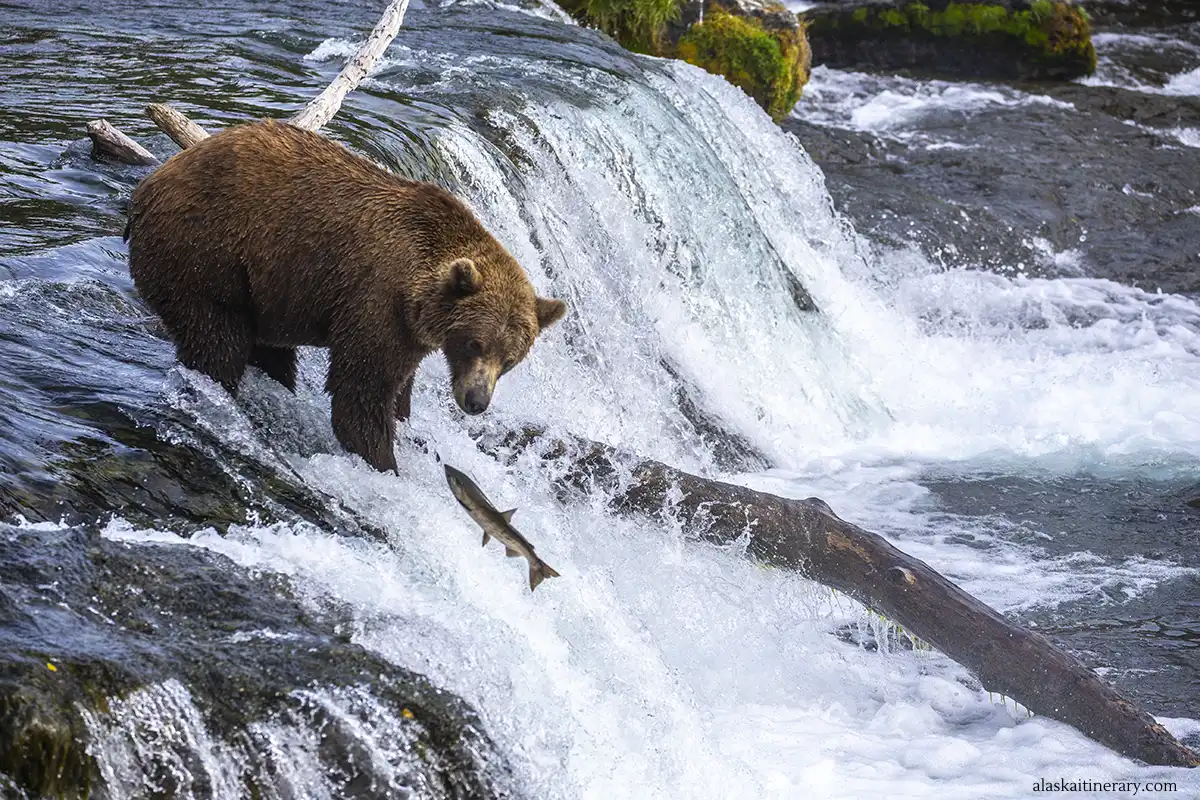
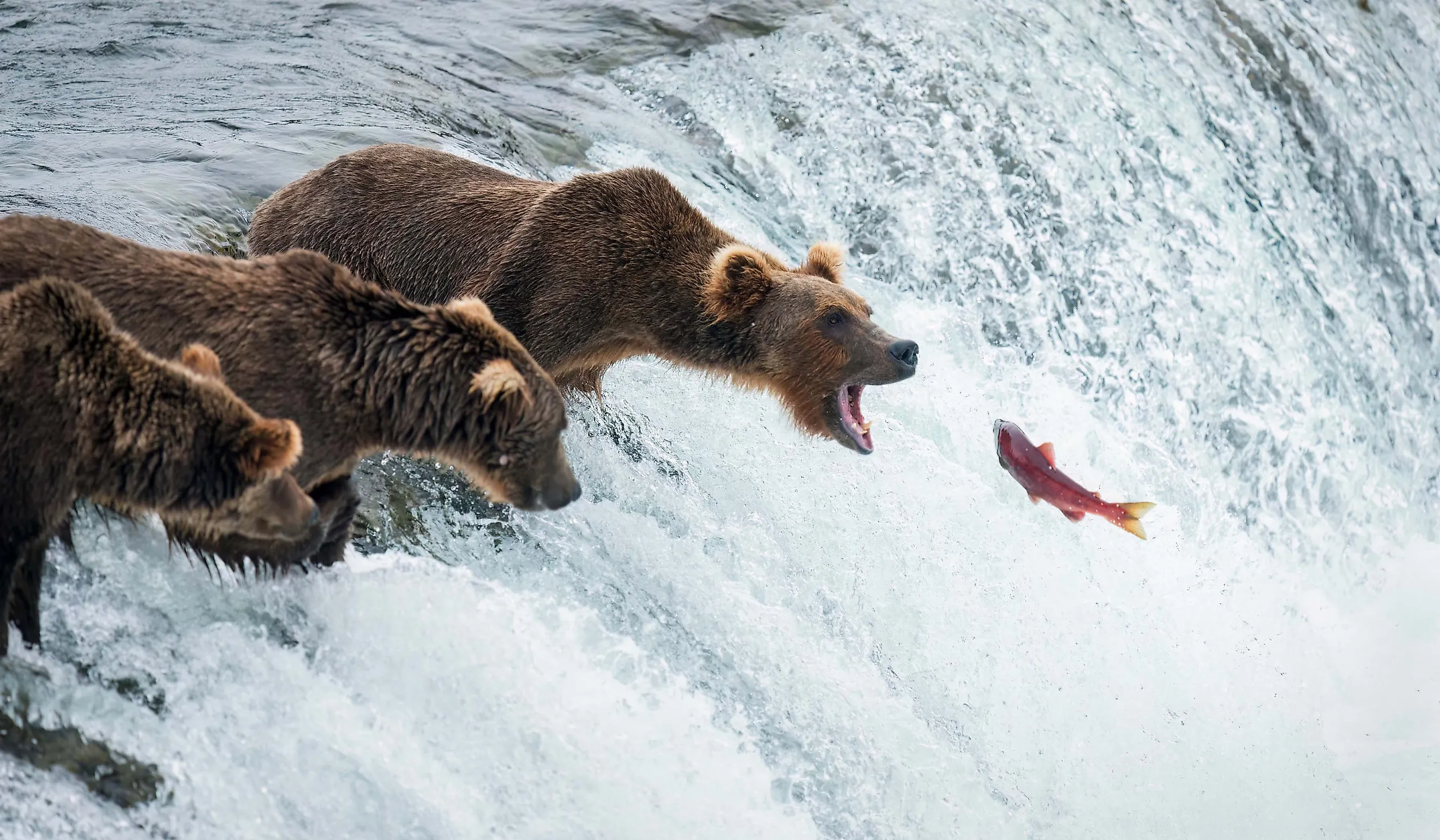
Brooks Falls is the Super Bowl of bear viewing. From the viewing platforms, you can watch enormous brown bears wait at the lip of the falls for sockeye to leap straight into their mouths. It is dramatic, funny, and occasionally a little heartbreaking—for the fish.
Must Read
Access is by floatplane from King Salmon or Anchorage, and summer lodging sells out months ahead. Day trips are possible, but staying at Brooks Lodge gives you early and late hours when crowds thin. The famous Bearcam made this place a global celebrity; in person, the roar of the falls is the real soundtrack.
Practical tip
Peak sockeye run is usually late June through July, with bears still fishing into September. Bring rain gear, a telephoto lens, and patience. Rangers enforce a 50-yard distance, and food must stay in designated lockers.
Anan Wildlife Observatory, Tongass National Forest
Near Wrangell, Anan Creek draws both black bears and brown bears to a short, powerful salmon run. A forest trail leads to an observatory and viewing deck above the creek. Because access is limited by permit, it never feels like a theme park.
You reach Anan by boat or floatplane, often with a guided day trip from Wrangell. The setting is pure Southeast Alaska: mist, spruce, and the smell of wet moss. In July and August, bears may be only a few dozen yards away, completely focused on fish.
What to know
Permits are required June 15 through August 25 and are limited each day. Book through a licensed guide or the Forest Service. Sturdy boots matter more than fashion; the boardwalk can be slick.
McNeil River State Game Sanctuary
McNeil River is the gold standard for close, respectful brown bear viewing. During summer, dozens of bears gather at the falls and nearby streams to feast on chum and sockeye salmon. Access is by lottery permit, which keeps the experience wild and quiet.
 10 Days in Alaska Itinerary 2026: Ultimate Road Trip Loop From Anchorage
You camp with a small group and follow guides who know every bear by sight. It is not a luxury lodge trip, but that is exactly the point. Nowhere else offers such intimate, sustained watching without fences or buses.
Fun fact
Bears often eat only the brain, roe, and skin of a salmon when fish are abundant. The leftovers feed eagles, gulls, foxes, and even the soil. A salmon run is a whole ecosystem’s meal ticket.
Lake Clark National Park and Hallo Bay
Across Cook Inlet, Lake Clark National Park offers coastal meadows, tidal flats, and salmon streams with serious bear density. Hallo Bay is famous for brown bears digging clams, grazing sedge, and chasing salmon in the shallows. Small bush planes from Homer or Anchorage get you there.
This is expedition-style viewing: tide charts, weather delays, and rubber boots. Guides set up safe distances and read bear behavior in real time. The reward is watching bears be bears, not performers.
Camera note
A 200–400mm lens is ideal, but binoculars will keep you present. Put the camera down sometimes. The memory of a bear shaking off water is better than a blurry burst of 40 frames.
Kodiak, Chilkoot River, and Pack Creek
Kodiak National Wildlife Refuge is brown bear country, with salmon streams accessible by road and floatplane. The Chilkoot River near Haines offers a roadside chance to see bears fishing, though you must keep moving and never block their path. Pack Creek on Admiralty Island pairs brown bears with Sitka spruce and salmon.
 Katmai National Park’s Brown Bears Launch From Brooks Falls For Salmon
Each spot has its own rhythm. Some are permit-only, some are guided, and some require a boat. All demand respect. A fed bear is a dead bear, as the saying goes, and that is not just a slogan.
Practical tips for a great bear trip
Go in July or August for the best salmon action, but ask local outfitters about late runs. Book lodges, guides, and flights early—Alaska’s best bear spots are small. Pack layers, rain pants, bug spray, and a sense of humor about delays.
Never approach a bear. Stay with a guide, carry bear spray where allowed, and make noise on trails. Keep food sealed and never leave coolers or snacks unattended. If a bear changes its behavior because of you, you are too close.
Cultural note: Alaska Native communities have honored salmon and bears for thousands of years. Viewing is a privilege, not a conquest. Support local guides and businesses when you can.
A final thought
Watching a bear catch salmon is not really about checking off a bucket-list box. It is about witnessing a system that works: fish return, bears feast, forests grow, and the cycle continues. In our own busy lives, we rarely sit still long enough to watch anything unfold.
Maybe that is the real souvenir. A few hours on a riverbank can teach you patience, attention, and the quiet thrill of letting nature run the show.
