How Deep Is The Comal River In New Braunfels

Last July, my friend Marcus tried to rescue a $12 pair of sunglasses from the Comal River. He waded in confidently, took one step, then another, and suddenly the water was at...

Last July, my friend Marcus tried to rescue a $12 pair of sunglasses from the Comal River. He waded in confidently, took one step, then another, and suddenly the water was at his chest. His sunglasses were long gone, but his respect for the river had arrived.
That moment sums up the question everyone asks before tubing in New Braunfels: how deep is the Comal River, really? The honest answer is annoying but true: it depends. It depends on where you are, how much rain just fell, and what the springs are doing that week.
The Short Answer: Not Very, Until It Is
If you want a number, most local outfitters and river guides put the Comal’s average depth at roughly 3 to 6 feet. Some stretches are so shallow you can see every rock and hear your tube scrape the bottom. Other spots drop out of nowhere into holes that are 8 to 12 feet deep, maybe more after a heavy rain.
Must Read
The Comal is only about 2.5 miles long, which makes it one of the shortest navigable rivers in Texas. It begins at Comal Springs and empties into the Guadalupe River, all inside New Braunfels. Short river, long list of variables.
So no, you cannot just memorize one depth and call it a day. The river is not a swimming pool with a posted maximum. It is a living, moving, spring-fed thing that changes its mind.
Where It Gets Deeper Than You Expect
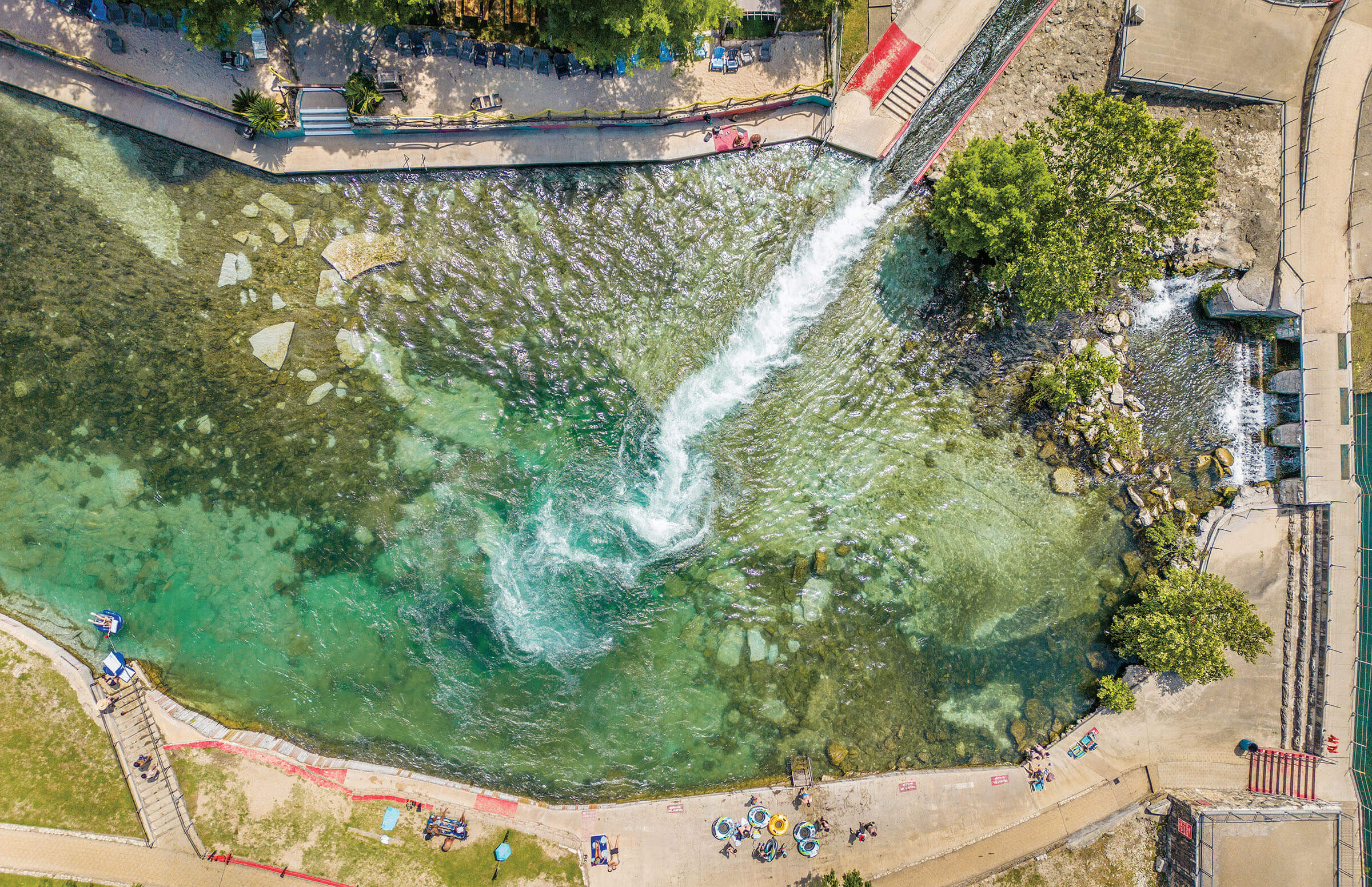
The deepest sections tend to show up near dams, bends, and places where the current has carved out the limestone. Around the famous Tube Chute, the water moves fast and the bottom is not something you want to explore with your feet. You are supposed to stay in your tube, not audition for a diving competition.
Spring-fed holes near the headwaters can also be surprisingly deep. The water is so clear that you might see the bottom and assume it is knee-high. Then you step off a ledge and realize you have been tricked by one of nature’s oldest illusions.
Yes, I am talking to you, the person holding a cooler and pretending to be a strong swimmer. The Comal is friendly, but it is not stupid.
Depth by Landmark, Roughly
Near Prince Solms Park, the river is often wide and relatively shallow, though the current can surprise you. By Hinman Island and the Tube Chute, the water is deeper and faster, especially when the dam is releasing. Down toward the Last Public Exit, you will find a mix of shallow runs and deeper bends.
 July 2023 Archives - Texas Highways
These are not official measurements, and they change with flow. Think of them as vibes, not gospel. If that sounds unscientific, welcome to river tubing.
Why the Depth Changes So Much
Comal Springs is the biggest factor. When the springs flow strong, the river runs higher and fuller. During drought, the flow drops, and more rocks and shallow gravel bars appear.
Rain matters too, but not always the way you think. A downpour upstream can send water through the system quickly, raising the river and making the current push harder. The Comal is spring-fed, so it stays clearer than many Texas rivers, but it still reacts to weather.
Dams, debris, and sediment also reshape the bottom. A logjam can create a deep scour hole. A shift in gravel can fill one in.
The Comal also stays around 72 degrees Fahrenheit year-round, which is lovely in August and mildly shocking in January. That constant temperature comes from the springs, not from the sun. It also means the river can feel deeper than it is when you first jump in.
Can You Stand Up in the Comal River?
In many places, yes. You can touch the bottom, stand up, and adjust your tube without drama. In other places, no, and that is exactly when people get into trouble.
 New Braunfels river access reopens, safety precautions advised
The tricky part is that shallow and deep water often sit right next to each other. You might be standing in two feet of water, then take one step and lose the bottom completely. That is why jumping, diving, or flipping out of your tube in unknown spots is a bad idea.
Never dive headfirst into any part of the Comal. The bottom is limestone, rocks, and sometimes broken glass or debris. A shallow-looking spot can be three feet deep, and a deep-looking spot can be two feet deep.
If you are tubing, keep your feet up and your hands on your tube. Wear a life jacket if you are not a confident swimmer. And please, do not try to rescue your sunglasses like Marcus did.
The Real Answer: Check Before You Go
If you want current conditions, ask the outfitters. They know the river’s mood better than any generic answer online. They can tell you about shallow spots, deep holes, and whether the Tube Chute is running in a way that suits your comfort level.
You can also just look. Find a clear edge, watch other tubers, and notice where they suddenly start paddling harder. The river gives you clues if you are not too busy posing for a waterproof selfie.
So how deep is the Comal River in New Braunfels? Usually shallow, occasionally deep, always variable. Treat it with respect, and it will reward you with one of the best lazy-river days in Texas. Treat it like a kiddie pool, and it will happily humble you.
