Can You Use A Brillo Pad On Stainless Steel

A Brillo pad has a certain old-school swagger. It’s blue, soapy, and ready to battle burnt lasagna like a tiny steel-wool superhero. But when stainless steel enters the ring,...
A Brillo pad has a certain old-school swagger. It’s blue, soapy, and ready to battle burnt lasagna like a tiny steel-wool superhero. But when stainless steel enters the ring, that swagger can turn into scratches.
The short answer? Usually, no. You can use a Brillo pad on stainless steel in rare, careful cases, but it is not the friendly everyday choice. Stainless steel is tough, not invincible.
Why Brillo Pads and Stainless Steel Clash
Brillo pads are abrasive by design. They scrub away food, rust, and stubborn grease with tiny metal fibers. Stainless steel relies on a thin, invisible layer of chromium oxide to resist rust and stains.
Must Read
When you attack that surface with steel wool, you create microscopic scratches. Those scratches dull the shine and give dirt, oil, and even rust a place to hide. Over time, your sleek pan or fridge can look tired and grimy.
There’s another sneaky problem: steel wool can leave small particles of carbon steel behind. Those particles can rust on the surface, making it look like your stainless steel is rusting when it’s actually debris. That’s a frustrating magic trick nobody asked for.
The Rare Exception
If you have a heavily abused stainless steel pan with burned-on crud, a Brillo pad might seem tempting. In that case, you can use it lightly, but only after gentler methods fail. Test a hidden spot first, and accept that scratches may be part of the deal.
Scrub with the grain, not against it. Rinse thoroughly, then dry immediately. Never use a Brillo pad on polished stainless steel, appliances, sinks, or anything with a mirror finish.
Manufacturers usually say no for a reason. They know that a scratched surface is harder to keep clean. A moment of aggressive scrubbing can lead to years of looking at swirl marks.
What to Use Instead
For most stainless steel, start with warm water, dish soap, and a soft sponge. A microfiber cloth is excellent for fingerprints and light grease. A nylon scrubber can handle sticky food without carving up the metal.
For stubborn stains, make a paste with baking soda and a little water. Apply it, let it sit, then wipe gently. Bar Keepers Friend is another popular option because it cleans and helps restore shine.
 Why Stainless Steel Is Better Than Non-stick For Grilling - How To Cook
Vinegar can cut through hard water spots, but don’t let it linger. Rinse well and dry with a clean towel. Chlorine bleach is a definite no-no for stainless steel; it can pit the surface.
Practical Tips for Shiny Stainless
Always follow the grain if your stainless steel has a brushed finish. Think of it like petting a cat: go the way the fur grows. Scrubbing across the grain creates visible scratches that catch the light.
For burnt stainless cookware, simmer water with a few tablespoons of baking soda. Then scrape with a wooden spoon or silicone spatula. Repeat if needed, and save the abrasive stuff for truly desperate moments.
Dry stainless steel after cleaning to prevent water spots. A quick buff with a dry microfiber cloth keeps it looking showroom-ready. Little habits beat heavy scrubbing almost every time.
A Pop-Culture Detour
Brillo pads are practically American icons. Andy Warhol turned their packaging into art with his Brillo Box sculptures in 1964. That blue-and-white box became a symbol of everyday consumer life.
There’s something funny about a cleaning product landing in a museum. It reminds us that ordinary objects carry cultural weight. But even art-world fame doesn’t make steel wool safe for your refrigerator door.
Stainless steel has its own star power, from diner counters to the DeLorean in Back to the Future. It’s associated with speed, hygiene, and a sleek modern kitchen. Keeping it scratch-free helps preserve that cool, clean vibe.
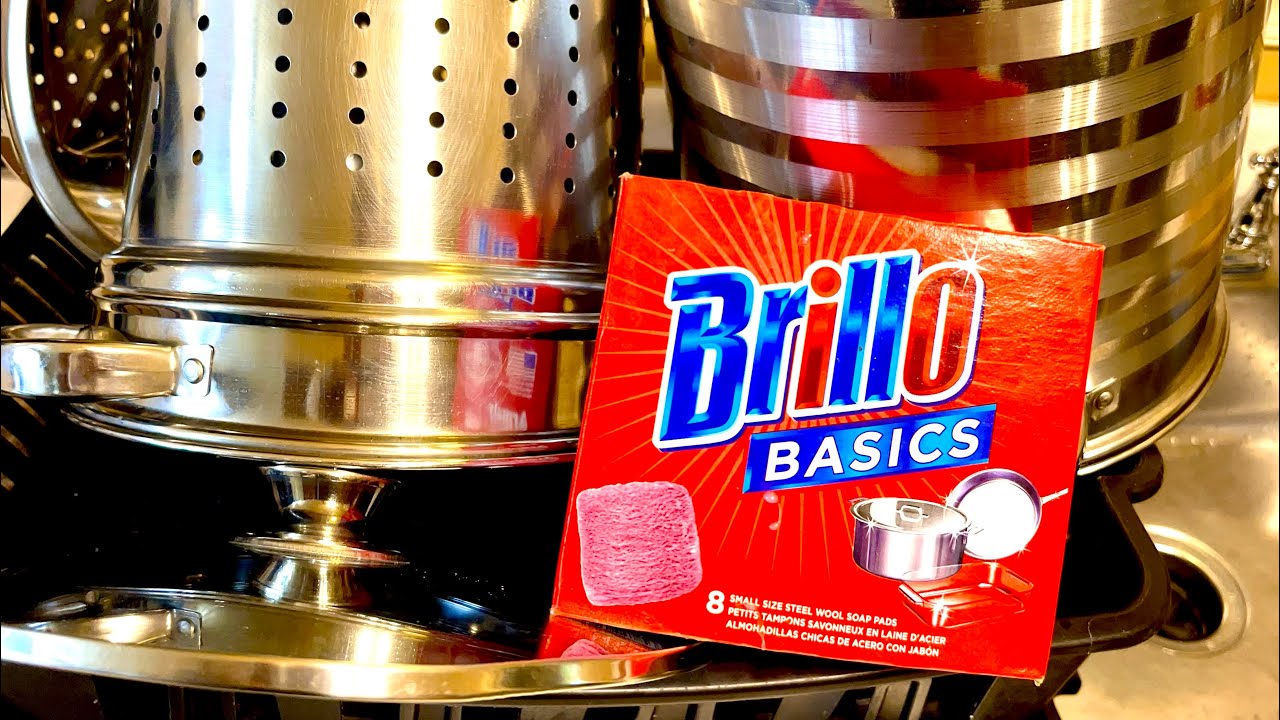 Can You Use Brillo Pads On Stainless Steel | The Tube
Fun Fact: Stainless Isn’t Stain-Proof
The name is a little misleading. “Stainless” means it stains less, not never. Its chromium content forms a protective layer that can heal itself when exposed to oxygen.
But abrasive scrubbing can damage that layer faster than it repairs. That’s why gentle cleaning isn’t just about looks. It’s about protecting the metal’s natural defense system.
When You Really Want to Scrub
Choose the least aggressive tool that can do the job. Sponge first, nylon brush second, powdered cleanser third. A Brillo pad should be far down the list, if it appears at all.
If you must use one, keep it wet and soapy to reduce friction. Use light pressure and short strokes. Then rinse and dry like you mean it.
For stainless steel appliances, skip steel wool entirely. Use a stainless steel cleaner or a dab of baby oil on a cloth for shine. Your future self will thank you when the light hits the door and reveals no scratches.
A Small Reflection
Daily life often tempts us toward the strongest tool, the fastest fix, the hardest scrub. But some surfaces—and some situations—respond better to patience. Stainless steel rewards a gentle hand, just like a good kitchen routine rewards consistency.
So save the Brillo pad for the cast-iron skillet or the grill grate. Treat your stainless steel with a little respect. It will stay bright, clean, and ready for the next meal, fingerprint, or minor kitchen disaster.
