Paddington Bear Please Look After This Bear

At Paddington Station, I once watched a small kid tug his mother’s sleeve and point at the bronze statue. “Why does the bear have a suitcase?” he asked. She bent down, read th...

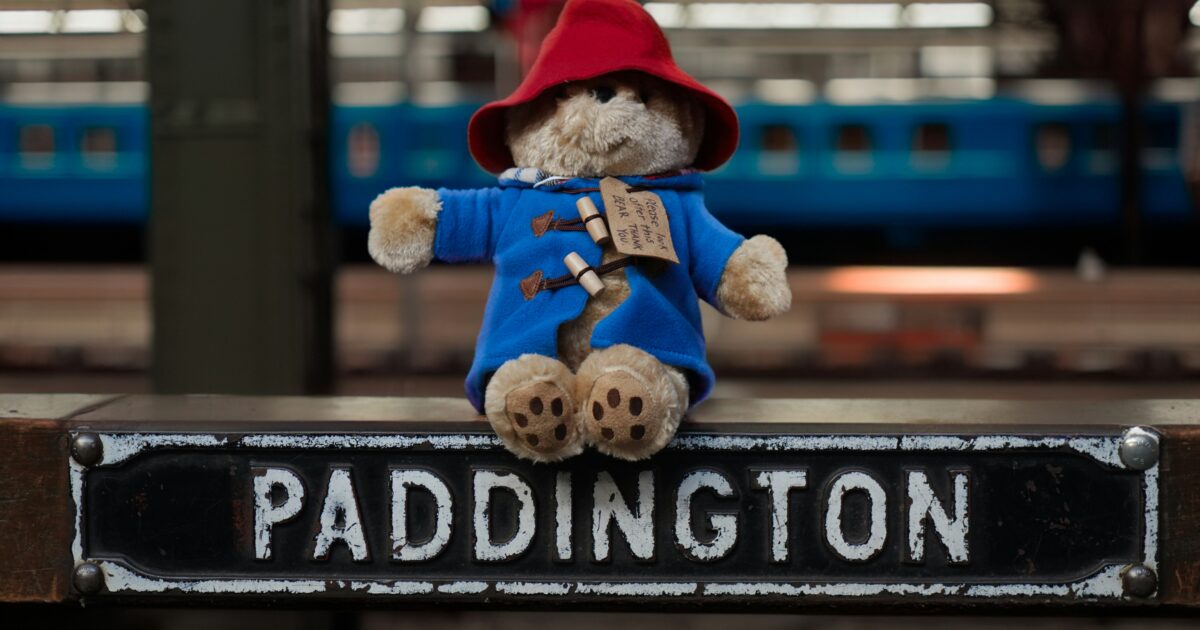
At Paddington Station, I once watched a small kid tug his mother’s sleeve and point at the bronze statue. “Why does the bear have a suitcase?” he asked. She bent down, read the label around its neck, and said, “Please look after this bear.”
That line has been floating around my head ever since. It’s so polite, so tiny, and somehow devastating. It also happens to be the entire soul of Paddington Bear in six words.
From Peru to Platform 1
Paddington began with a toy. In 1956, Michael Bond spotted a lonely-looking teddy bear on a shelf near Paddington Station and bought it for his wife. He went home and wrote a story about a bear from “darkest Peru” who arrives in London with a suitcase, a jar of marmalade, and that label.
Must Read
Yes, a bear with a suitcase is absurd. That’s the point. Paddington is a small, serious creature dropped into a world that runs on forms, queues, and unspoken rules.
His Aunt Lucy sent him because she was getting too old to care for him. So he travels alone, with a note that asks strangers to do something radical: be kind.
The Browns and the Art of Taking Someone In
The Brown family finds him at the station. Mr. Brown is cautious, Mrs. Brown is openhearted, and their children are mostly delighted. They name him after the place where he was found, which is either charming or deeply British, depending on your mood.
Paddington doesn’t arrive as a threat. He arrives as a guest who accidentally floods bathrooms, ruins meals, and stares down anyone who deserves it. His famous hard stare is not violence. It’s judgment, delivered with impeccable manners.
And here’s the quiet genius: the Browns don’t demand that he become exactly like them. They give him a home, a routine, and a place at the table. He changes them, too.
 PLEASE LOOK AFTER THIS BEAR - HOUGHTON & MACKAY MAGAZINE
Why the Label Still Hurts
“Please look after this bear” reads like a child’s request. But adults hear something else. It echoes the notes, forms, and desperate hopes carried by refugees, immigrants, foster children, and anyone who has ever arrived somewhere new with nothing but a suitcase and a fragile plan.
A Mirror, Not a Mascot
Michael Bond always insisted he wasn’t writing political allegory. Fair enough—but readers are allowed to notice what they notice. A polite outsider asking for shelter is not just a cute premise; it’s a mirror.
Paddington never begs. He simply stands there, hat on head, label around neck, trusting that someone will read it. That trust is either foolish or heroic—possibly both.
Marmalade, Mayhem, and Britishness
Paddington is often treated as a national treasure, which is funny because he is literally an undocumented bear from Peru. He eats marmalade sandwiches, keeps one under his hat, and takes idioms far too literally. When someone says “look out,” he might actually look out.
That literalism lets him expose the silliness of British life without cruelty. He notices class codes, bureaucratic nonsense, and the way people say one thing while meaning another. He is an outsider, but he isn’t a tourist; he belongs.
His adventures are domestic and chaotic: shopping trips, birthday parties, visits to Buckingham Palace. The stakes are rarely world-ending. The stakes are belonging, which is plenty.
 Paddington Bear: Please Look After This Bear (2006 DVD) : Micheal Bond
From Page to Screen to Palace
Paddington has been animated, adapted, and rebooted. The 2014 and 2017 films gave him a warm, witty screen life, with Ben Whishaw’s voice and Sally Hawkins’s radiant Mrs. Brown. Then came the 2022 sketch with Queen Elizabeth II, where Paddington came for tea and pulled a marmalade sandwich from his hat.
It was silly, perfect, and unexpectedly moving. When the Queen died later that year, the clip became something like a farewell. A fictional bear had somehow become part of the national emotional furniture; make of that what you will.
Not bad for a creature who arrived with no references and a sticky snack.
The Bear We Still Need
Paddington’s request is simple, but it asks a lot: open the door before you know someone’s story. It asks us to offer help without making a performance of it. It asks us to remember that manners can be a form of courage.
He is not a saint. He is clumsy, stubborn, and occasionally exhausting. But he tries, and he expects us to try too—a better moral than most self-help books manage.
So if you pass a statue, a suitcase, or someone looking lost, remember the label. Please look after this bear. Then maybe ask yourself who “this bear” might be today.
