Why Do I Feel Claustrophobic In My Own Body

You’re lying in bed, minding your own business, when suddenly your skin feels like a jacket that’s two sizes too small, your chest tightens, and your arms feel weirdly far awa...

You’re lying in bed, minding your own business, when suddenly your skin feels like a jacket that’s two sizes too small, your chest tightens, and your arms feel weirdly far away. And a tiny voice in your head whispers, “I need to get out of here.” The only problem? “Here” is you.
If that sounds familiar, welcome to the club. It’s a strange, unsettling feeling, but it’s also surprisingly common. You are not broken, dramatic, or secretly a ghost trying to escape your meat suit.
First, What Does “Claustrophobic in My Body” Even Mean?
Claustrophobia usually means fear of enclosed spaces. But your body can absolutely feel like an enclosed space. Especially when your brain decides to treat your own skin like a tiny elevator with no exit sign.
Must Read
This sensation can show up as restlessness, panic, dissociation, or a desperate urge to crawl out of yourself. It’s not a formal diagnosis on its own, but it’s a real experience with real causes.
Your Nervous System Is a Dramatic Roommate
Your nervous system is supposed to keep you safe. Unfortunately, it sometimes overreacts like a smoke alarm that goes off because you toasted bread a little too aggressively.
When your fight-or-flight system flips on, your body feels smaller, tighter, and more dangerous. Your heart races, your breathing gets shallow, and your brain screams, “Danger! Escape!” But there’s nowhere to run from your own ribs.
That mismatch—the urge to flee with no external threat—can make you feel trapped inside yourself. Annoying? Yes. Dangerous? Usually not.
Interoception: The Weird Sixth Sense You Didn’t Know You Had
Interoception is your brain’s ability to sense what’s happening inside your body. Hunger, heartbeat, breathing, butterflies, that weird gurgle after questionable tacos—all interoception.
When interoception is turned up too high, every heartbeat feels loud. Every breath feels manual. Every sensation becomes evidence that something is wrong.
When it’s turned down too low, you might feel disconnected from your body instead. Either way, your sense of “me” can start feeling like a rented apartment you don’t recognize.
Anxiety, Panic, and the “Trapped” Button
Anxiety loves to press the trapped button. It doesn’t need a real cage. It can build one out of thoughts, sensations, and a little bit of adrenaline.
During a panic attack, people often say they feel like they’re suffocating or going crazy. You’re not going crazy. Your body is just throwing a loud, unhelpful fire drill.
 Claustrophobia (Fear of Enclosed Spaces): Causes, Symptoms & Treatment
The more you fear the feeling, the stronger it gets. It’s a feedback loop, like a microphone too close to a speaker—except the screech is inside your chest.
Identity, Dysphoria, and Body Image
Sometimes the claustrophobia isn’t just anxiety. It can be gender dysphoria, body dysmorphia, or a deep mismatch between who you are and how your body looks or feels.
If your reflection feels like a stranger, or your body feels like a costume you didn’t choose, of course you might want to unzip it. That’s not vanity. That’s distress.
This kind of feeling deserves compassion and support, not shame. Talking to a therapist who understands identity and body image can be a game-changer.
Sensory Overload and Tiny Irritations
Autistic people, ADHDers, and highly sensitive folks often feel trapped by sensory input: tags scratch, waistbands dig, lights buzz, and clothes feel like they’re plotting against you.
When your sensory system is overwhelmed, your body stops feeling like home. It feels like a loud, itchy, uncomfortable waiting room.
Sometimes the fix is beautifully boring: softer clothes, dimmer lights, a weighted blanket, or permission to take the bra off. Comfort is not a luxury.
Chronic Pain, Illness, and Medical Mystery Stuff
If you live with chronic pain, fatigue, or illness, your body can feel like a house with a broken alarm system. You never know when it’ll start screaming.
That unpredictability can make you feel trapped. You want to trust your body, but it keeps changing the rules.
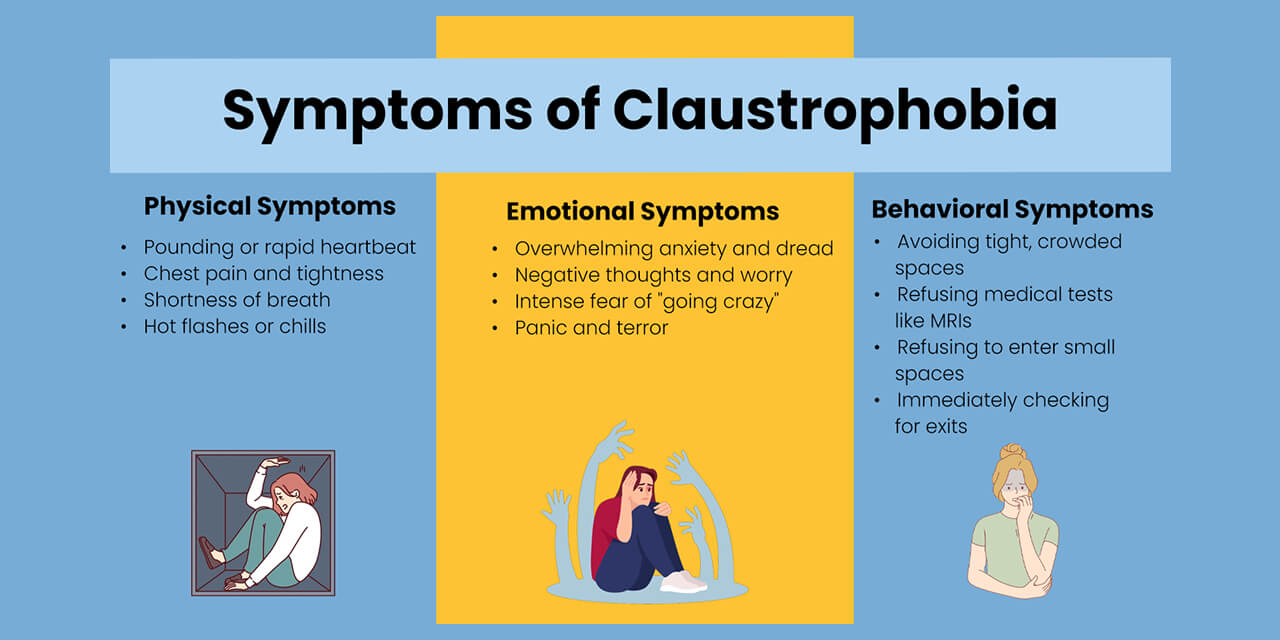 Claustrophobia: Symptoms, Causes & How to Overcome It | Anxiety Checklist
Gentle movement, pacing, medical care, and mental health support can help you rebuild a truce. Not perfect peace—just a little less war.
What Helps When You Want to Evict Yourself
First, stop trying to force yourself to calm down. Sometimes “just relax” is the least relaxing sentence in the English language.
Try a temperature change: cold water on your wrists, a cool room, or a warm shower. Movement helps too—shake your hands, stretch, go for a short walk.
Grounding can be simple. Name five things you see, four you feel, three you hear, two you smell, one you taste. It’s not magic, but it nudges your brain back into the room.
Breathing exercises can help, but don’t force deep breaths if they make you panic. Try longer exhales instead. In through the nose, out through the mouth, like you’re gently fogging a mirror.
And if this feeling keeps showing up, talk to someone. A therapist, doctor, or trusted friend can help you sort out anxiety, trauma, sensory issues, or identity stuff. You don’t have to solve this alone.
You’re Not Trapped Forever
Feeling claustrophobic in your own body is scary, weird, and deeply uncomfortable. But it’s also a signal, not a life sentence.
Your body isn’t your enemy. It’s more like a quirky roommate who sometimes plays terrible music at 3 a.m. You can learn its rhythms, set boundaries, and make the place more livable.
You are allowed to take up space. You are allowed to feel at home in yourself. And if today that feels impossible, just stay curious and kind—one small breath, one soft blanket, one honest conversation at a time.
You’re still here. That’s not claustrophobia. That’s courage.
