Where Are The Best Seats In An Imax Theater

You’ve got your ticket. You’ve got your popcorn. Now comes the real question: where do you park yourself in an IMAX theater? The answer isn’t a single magic row. It depends on...

You’ve got your ticket. You’ve got your popcorn. Now comes the real question: where do you park yourself in an IMAX theater?
The answer isn’t a single magic row. It depends on the screen, the movie, and how much neck strain you’re willing to trade for immersion.
Still, there’s a sweet spot. And once you find it, going back to the front row feels like watching a blockbuster through a mail slot.
Must Read
Start With the Center. Always the Center.
Horizontally, the best seat is almost always dead center. That’s where the image is most symmetrical and the sound mix hits you the way the filmmakers intended.
Sit too far left or right, and your brain quietly works overtime to correct the perspective. It’s like sitting at a dinner table with your chair half-turned—you can still eat, but something feels off.
Now Go Back. But Not All the Way.
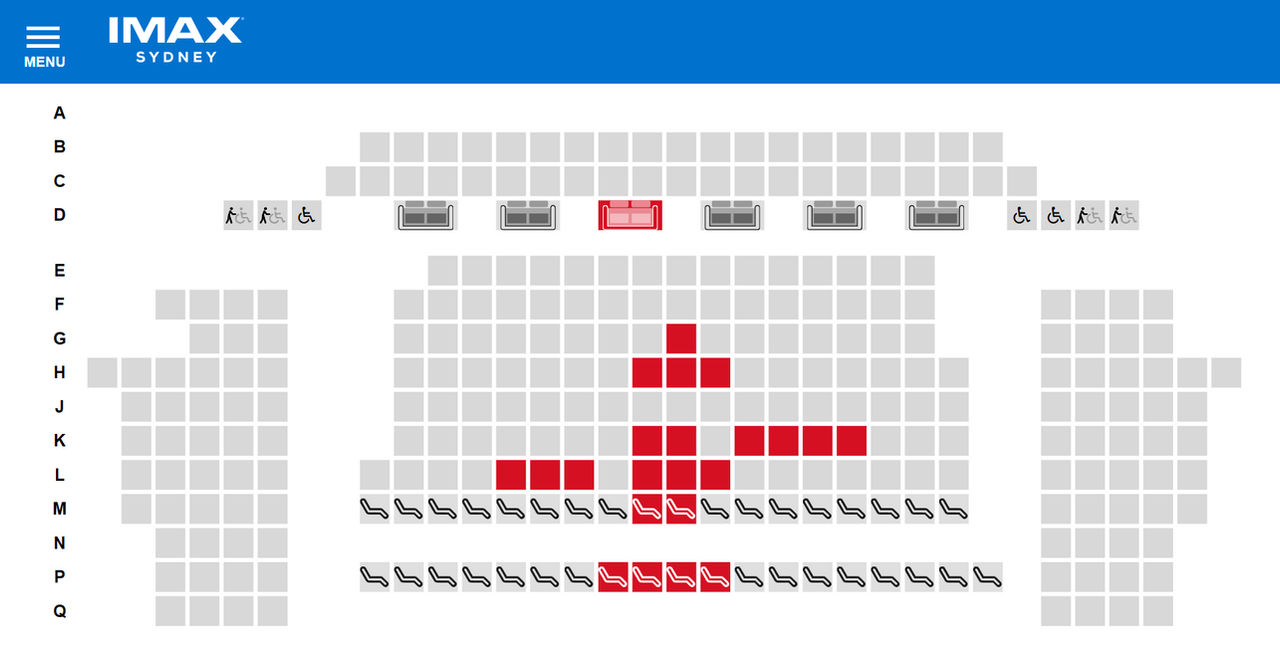
Vertically, you want to be a little behind the middle of the auditorium. A common sweet spot is around two-thirds back from the screen.
From there, the giant IMAX image fills your field of view without forcing you to swivel your head like an owl. You get immersion without the chiropractor bill.
Why IMAX Makes This Trickier
IMAX screens are enormous, often floor-to-ceiling and wall-to-wall. That size changes the math compared with a regular theater.
In a standard cinema, sitting closer can feel cozy. In IMAX, sitting too close can feel like pressing your face against a spaceship window during a warp jump.
 VIP Luxury Seating
The screen can be so tall that the top and bottom blur if you’re under it. So for most people, center and slightly back is the safest bet.
But Which IMAX Are You In?
Not all IMAX theaters are identical. Some have the classic 1.43:1 screen—those towering, almost square IMAX screens in museums and flagship locations.
Others use 1.90:1, which is still huge but a bit more widescreen. Then there are “LieMAX” auditoriums, which are upgraded multiplex screens with IMAX branding and sound.
For the tallest 1.43:1 screens, you may want to sit even farther back. For 1.90:1 or smaller IMAX screens, two-thirds back is usually plenty.
3D Changes the Seating Game
If you’re watching a 3D IMAX movie, consider sitting a row or two farther back than usual. The glasses can make the image feel dimmer and the 3D effects more intense up close.
Farther back, your eyes don’t have to cross as much, and the depth feels more natural. It’s the difference between looking into a diorama and falling into it.
 That IMAX Cinemas Seat New Seat In Theatre by MatzSchenk120 on DeviantArt
Sound Also Has a Sweet Spot
IMAX sound is not just loud. It’s precise, with speakers placed around and behind the screen.
Center seats catch the best balance of dialogue, effects, and music. Off to the side, you might hear more of one surround channel than another, like a band where the drums are in your left ear.
What About the Front Row or Back Row?
The front row is for two kinds of people: absolute immersion seekers and folks who arrived very late. It can feel intense, but you’ll likely miss parts of the frame and crane your neck.
The back row is comfortable and easy to exit. It’s also where the screen can start to feel like a really nice TV rather than an event. If you want the movie in your bones, move forward just a bit.
The Goldilocks Rule for IMAX
So where are the best seats? Center horizontally, about two-thirds back vertically, with a slight extra buffer for 3D.
That’s the porridge that’s not too hot, not too cold. It’s the seat where the screen wraps around you, the sound stays balanced, and your neck forgets it’s attached to a body.
Next time you book, skip the automatic “middle of the middle” if it’s too close. Trust the sweet spot. Your eyes, ears, and spine will thank you.
