Should I Cook Meatloaf Covered Or Uncovered

So you’re standing in the kitchen with a bowl of meatloaf mix, a loaf pan, and a tiny voice asking, “Cover it or not?” Good news: you are not doomed to guess forever. The answ...

So you’re standing in the kitchen with a bowl of meatloaf mix, a loaf pan, and a tiny voice asking, “Cover it or not?” Good news: you are not doomed to guess forever. The answer is both, depending on the kind of meatloaf you want.
Covered meatloaf steams in its own savory little sauna. Uncovered meatloaf roasts, browns, and develops a glorious crust. Neither path is wrong — they just lead to different dinners.
Why Uncovered Meatloaf Wins Hearts
When you cook meatloaf uncovered, the oven’s dry heat works on the surface. That means the top gets beautifully browned, and any glaze you brush on turns sticky and caramelized. Yes, please.
Must Read
Uncovered also lets extra moisture escape, so the loaf holds together better. You get slices that stand tall instead of collapsing into a sad meat puddle. Nobody wants a sad meat puddle.
But here’s the catch: long uncovered baking can dry out the edges. If you love a crisp exterior, that’s a feature. If you want maximum tenderness, it’s a risk.
Why Covered Meatloaf Feels Like a Warm Hug
Covering the pan with foil traps steam, which keeps the meatloaf moist and tender. It also speeds up cooking, because heat circulates around all sides in a humid pocket. Think of it as a gentle braise in your own oven.
The trade-off? The top stays pale and soft. Your meatloaf will taste lovely, but it won’t have that dramatic browned finish unless you uncover it later. Cue the internal debate.
Covered is especially helpful if your mixture is lean. Ground turkey or chicken can dry out fast, so a foil lid becomes a loyal bodyguard.
 Cooking Meatloaf: Covered Or Uncovered - Techniques & Recipes - Recipes
The Hybrid Move That Makes Everyone Happy
Here’s the move I recommend to curious cooks: cover for the first half of baking, then uncover for the second half. You get moisture retention and browning. It’s the best of both meatloaf worlds.
Try this: bake at 350°F. Cover with foil for about 30 minutes. Then remove the foil, add glaze if you like, and bake another 20 to 30 minutes. The internal temperature should hit 160°F.
Always let the loaf rest for 10 to 15 minutes before slicing. That pause lets the juices redistribute. It also gives you time to feel smug.
The Glaze Question
Should you glaze before or after covering? If you glaze at the start and cover the loaf, the glaze can slide off into the pan. For a shiny, sticky top, wait until the last 15 minutes and brush it on uncovered.
That way, the sugars caramelize instead of steaming into a puddle. Your taste buds will notice the difference, and your kitchen will smell like a diner worth visiting.
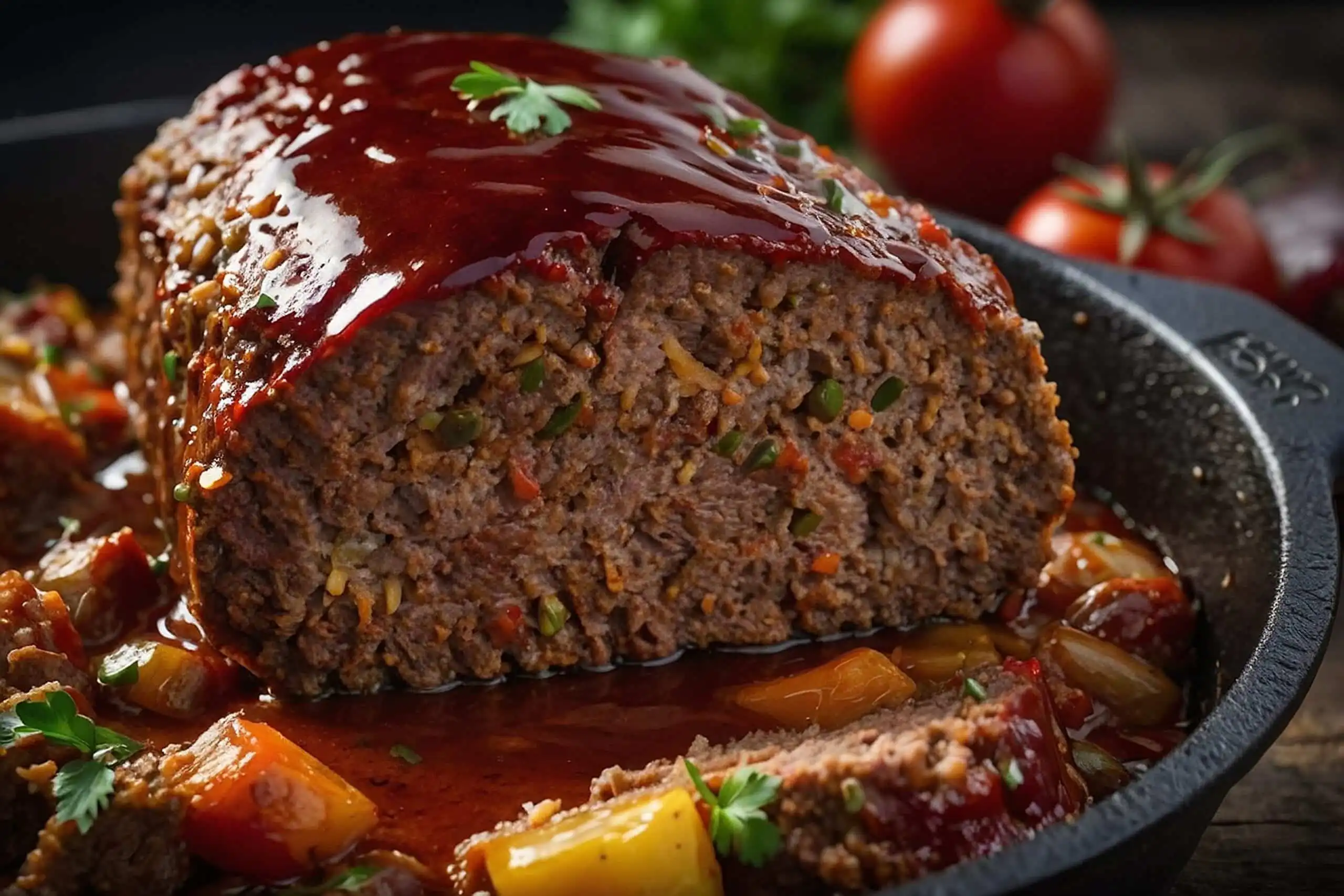 Should Meatloaf Be Baked Covered or Uncovered?
What About the Loaf Pan?
If you bake in a loaf pan, covering is easy and neat. But the pan can trap fat and steam, so uncovered baking may need a little more care. You might spoon off excess grease halfway through.
For a free-form loaf on a sheet pan, uncovered is usually the star. The sides get direct heat, so you get more crust and better browning. Just shape it firmly so it doesn’t sprawl.
Either way, use a meat thermometer. It’s the unemotional referee in the covered-versus-uncovered match. Guessing by time alone is how perfectly good meatloaf gets overbaked.
Make It a Delicious Experiment
You could cook two small loaves side by side: one covered, one uncovered. Then taste them and decide which texture you love more. That’s not just dinner; that’s a fun little kitchen science fair.
Meatloaf is forgiving, adaptable, and deeply personal. Ketchup glaze or barbecue? Onion or no onion? Oats or breadcrumbs? You are the boss of your own loaf.
So preheat that oven and grab the foil. Whether you cover, uncover, or do the hybrid dance, you’re not just making dinner — you’re becoming a more confident, curious cook. And honestly? That’s a pretty inspiring thing to slice into.
