How To Keep Medication Cold While Traveling

Last July, my friend Maya packed her insulin pens beside a beach towel and a family-size bag of trail mix. By the time we reached the rental house, her “cooler” was a warm tot...
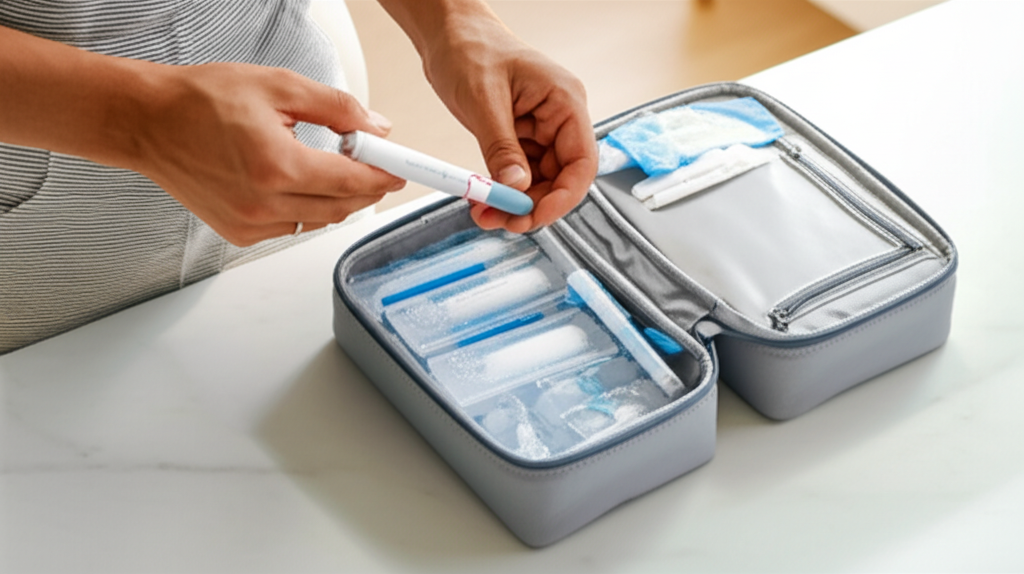
Last July, my friend Maya packed her insulin pens beside a beach towel and a family-size bag of trail mix. By the time we reached the rental house, her “cooler” was a warm tote bag with delusions of grandeur. She spent the first hour calling pharmacies instead of applying sunscreen—not exactly the getaway brochure moment.
If you take medication that needs to stay cold, travel adds a plot twist to every trip, because planes, cars, hotel rooms, and even a well-meaning relative’s trunk can turn into accidental incubators. The good news? With a little forethought, you can keep things chilly without turning your carry-on into a medical lab.
First, Know What “Cold” Actually Means
Not every medication needs the same temperature. Insulin, some biologics, certain eye drops, and a few injectables often want refrigeration, usually between 2°C and 8°C (36°F to 46°F). But some can tolerate room temperature for a set number of days once opened.
Must Read
Check the pharmacy insert or ask your pharmacist directly. “Refrigerate” and “keep cool” are not interchangeable, and guessing can be expensive. Write down the safe range, the time limit outside the fridge, and whether freezing is forbidden.
Choose the Right Cooler—Not Just Any Lunch Bag
A flimsy grocery-store cooler is fine for a sandwich. It is not fine for temperature-sensitive meds on a twelve-hour travel day. Look for an insulated medical cooler or a hard-sided cooler with a tight seal.
If you’re flying, keep medication in your carry-on. Checked bags sit in cargo holds that can get brutally cold or surprisingly warm.
Use a thermometer inside the cooler if you’re anxious. Yes, you can be that person. Better to be the prepared traveler than the one Googling “how long does insulin survive in a hot car” at a rest stop.
Ice Packs, Gel Packs, and the TSA Conversation
Gel packs and freezer packs are usually allowed in carry-on bags if they’re needed to keep medication cold. The key word is needed. Pack them with your medication, not at the bottom of your beach bag like contraband.
 How To Travel With Refrigerated Medication Successfully
Tell the security officer you have temperature-sensitive medication before the bag goes through the scanner. In the U.S., medications and associated supplies are generally exempt from the 3-1-1 liquids rule, but rules vary by country.
Don’t use loose ice in a plastic bag unless you enjoy damp chaos. Meltwater soaks labels, ruins packaging, and makes everyone question your packing skills. Gel packs or sealed reusable ice packs are tidier and less likely to betray you.
Hotel Rooms Are Temperature Chaos
Hotel mini-fridges are either arctic blasts or lukewarm decoration. Some have freezer compartments that can accidentally freeze your medication, which may ruin it. Put a thermometer inside before you trust it.
If the fridge is too cold, place your medication in an insulated pouch or a sealed container. If it’s too warm, ask the front desk for a medical fridge or a room with a working refrigerator.
And please, don’t leave meds in a hot car while you tour a museum. A parked car can hit oven-level temperatures faster than you can say “air-conditioning.”
 India Baggage Rules: Transporting Refrigerated Medication on India
Plan for Delays, Power Outages, and Human Error
Travel rarely follows the script. Flights get delayed, roads close, and rental cars develop mysterious opinions. Carry enough cooling supplies for at least double your expected travel time.
Pack a backup plan: extra gel packs, a small thermometer, and a printed list of nearby pharmacies. Redundancy is boring, but boring is beautiful when it comes to medication.
If your medication does get too warm or freezes, don’t just shrug and use it. Call your pharmacist or the manufacturer for guidance. Sometimes it’s fine; sometimes it’s not, but the label and a professional opinion matter more than a travel blog’s best guess.
The Bottom Line: Treat Your Meds Like a VIP Passenger
Your medication doesn’t need a first-class seat, but it does need attention. Keep it with you, know its temperature range, and pack cooling gear like you mean it.
So yes, the cooler might look dorky. But if it means your insulin, biologics, or other temperature-sensitive medication arrive safe, that’s a travel accessory worth bragging about—so enjoy the trip, and may your ice packs stay frozen and your pharmacy visits stay unnecessary.
