Plan A Trip To Yellowstone And Grand Tetons

Yellowstone and Grand Teton are nature’s weirdest double feature. One park hisses steam and throws hot water at the sky. The other poses with jagged mountains like it knows yo...
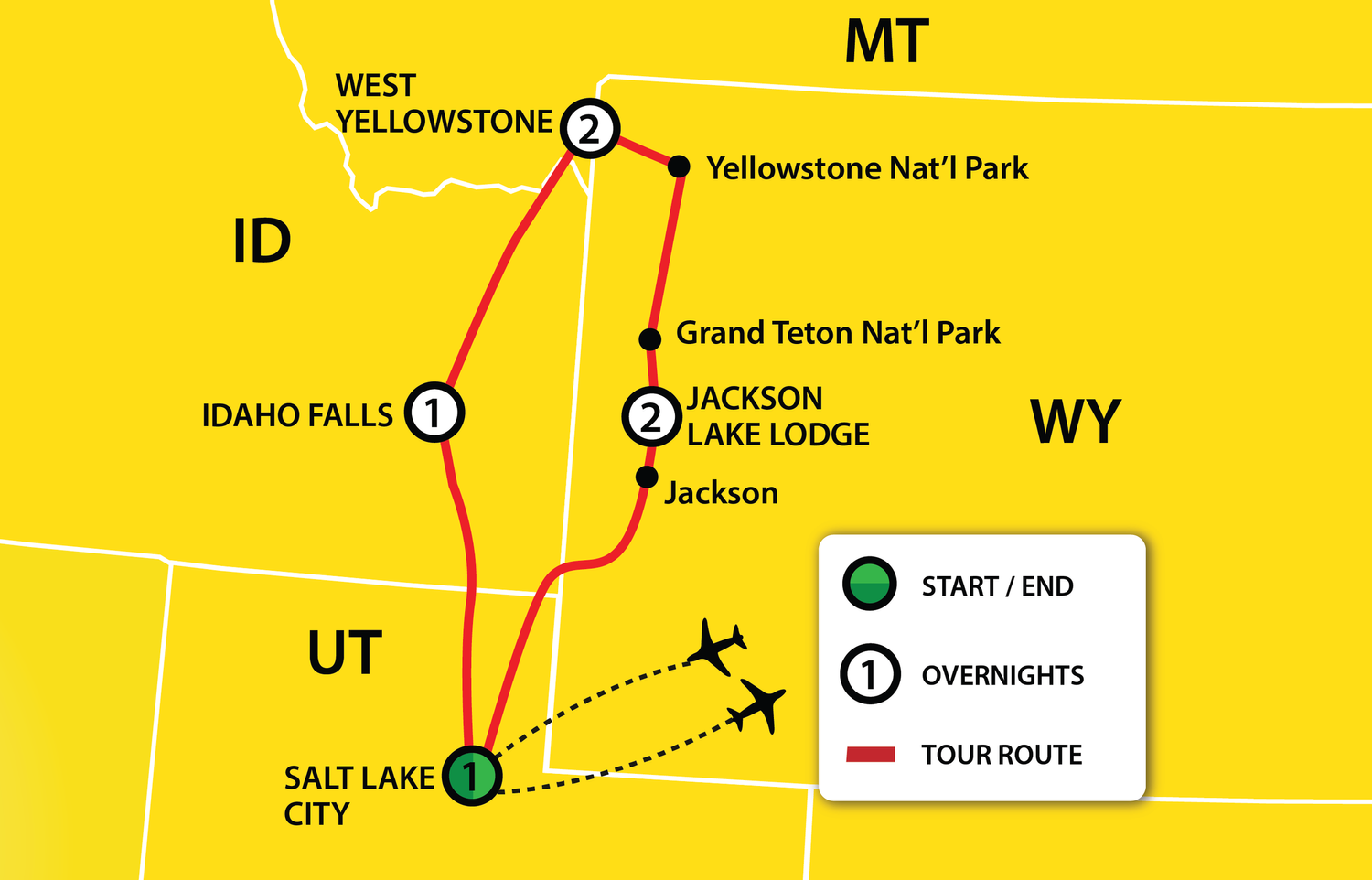
Yellowstone and Grand Teton are nature’s weirdest double feature. One park hisses steam and throws hot water at the sky. The other poses with jagged mountains like it knows you’ll post the photo.
They’re only about an hour apart, which makes a combo trip tempting. It also makes people wildly overconfident. You will not “do both” in two days unless you enjoy driving with your eyebrows on fire.
Pick Your Season And Pack Like An Onion
Summer opens everything, including the floodgates of humanity. Expect full campgrounds, crowded parking lots, and bison blocking traffic like they own the place. They do.
Must Read
Spring and fall are quieter and cheaper, but snow can crash the party in June. Winter turns Yellowstone into a snowy wonderland, though most roads close to cars.
Bring layers, rain gear, sunscreen, and shoes you don’t mind destroying. The weather can flip from sunny to hailing to “why is my face numb?” in one afternoon. Cotton is a terrible choice when wet, so fleece and wool are your friends.
Book Lodging Before You Book Anything Else
In-park lodges and campgrounds fill up fast, sometimes a year ahead. If you want to sleep inside Yellowstone, set reminders and be ready to pounce. Otherwise, base yourself in West Yellowstone, Gardiner, Cody, or Jackson.
Staying outside the park means more driving but real beds and restaurants. Jackson is perfect for Grand Teton and fancy coffee. West Yellowstone is handy for Yellowstone’s west side and regretful souvenir shopping.
The Grand Loop Is Grand, But It’s Also A Lot
Yellowstone covers over 2.2 million acres, which is a polite way of saying “enormous.” The Grand Loop Road is about 142 miles, but wildlife jams stretch it into a slow-motion parade. A bison may decide to meditate in your lane.
Grand Teton sits south of Yellowstone, and the drive between them is gorgeous. Don’t treat it as a quick hop. Traffic, construction, and photo stops add up fast.
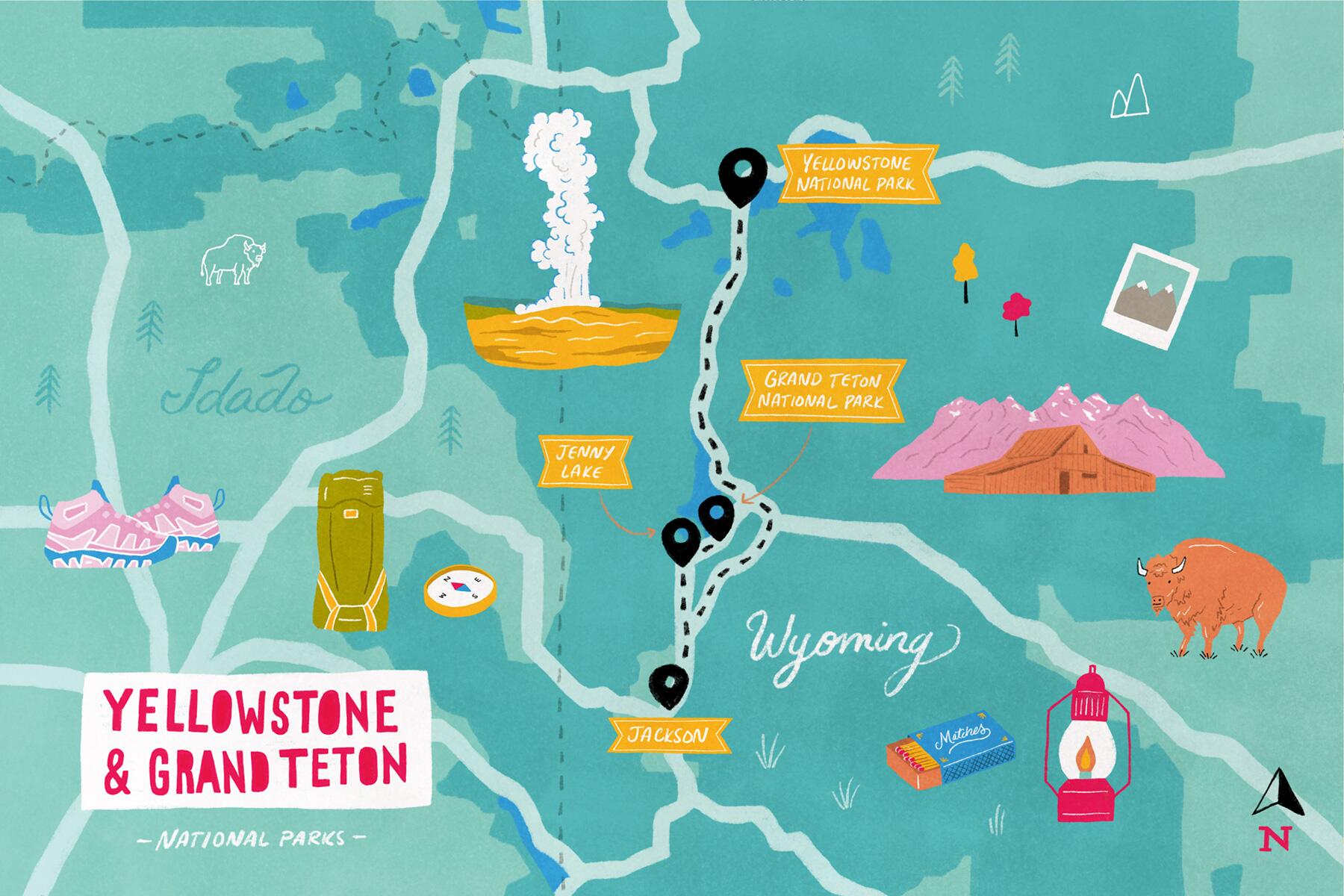 Best road trip from seattle to yellowstone national park 60 photos
Wildlife Rules: Admire, Don’t Audition For A Darwin Award
Yellowstone is not a petting zoo with better scenery. Bison can sprint faster than you, bears are not cuddly, and elk during rut are angry tanks with antlers. Stay 25 yards from most animals and 100 yards from bears and wolves.
Carry bear spray, know how to use it, and keep it accessible. Never run from a bear, unless you’re trying to win a race you’ll lose. Surprisingly, bison injure more visitors than bears do, so give those shaggy bulldozers room.
Geysers, Hot Springs, And The Smell Of Egg Salad
Old Faithful erupts roughly every 60 to 110 minutes, but it’s not a Swiss train. Check predicted times and arrive early for a seat. Grand Prismatic Spring is stunning from the boardwalk, but the overlook trail gives you the postcard view.
Thermal areas are fragile and dangerous. The ground can be thin crust over boiling water, so stay on the boardwalks. Geothermal water does not care about your vacation photos.
Grand Teton: The Cool, Quiet Sibling
Grand Teton is smaller and more straightforward, which is a relief after Yellowstone’s chaos. Jenny Lake offers boat rides and Cascade Canyon access. Sunrise at Oxbow Bend can make you emotional.
Mormon Row’s old barns frame the Tetons like a painting. Jackson Hole is expensive but has galleries, burgers, and enough outdoor gear to outfit a small expedition. For a quieter base, try Teton Village or Kelly.
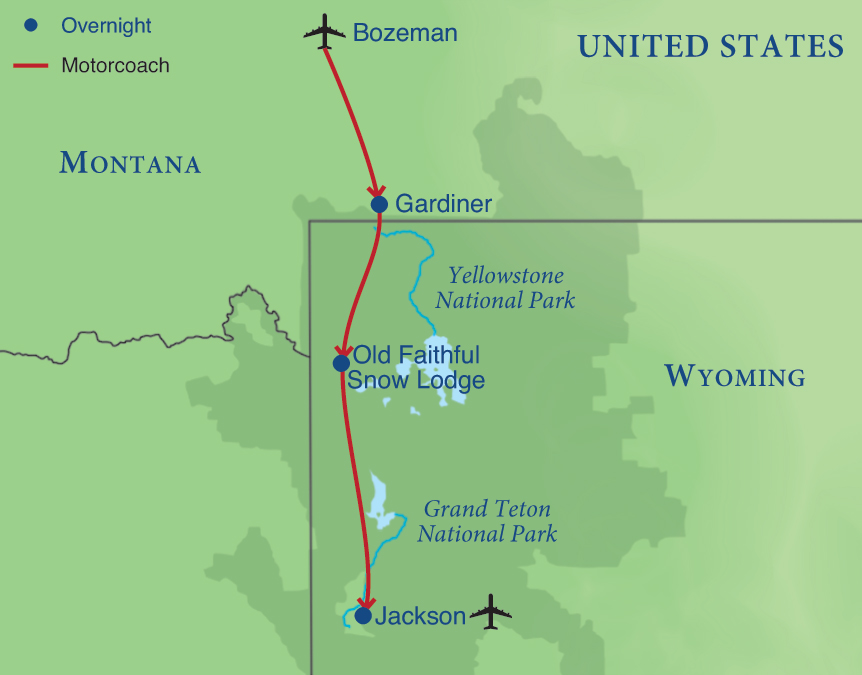 Grand Teton Vs Yellowstone _ Which is Better: Yellowstone or Grand
Build A Loose Plan, Then Let Bison Ruin It
A solid five-day trip might be two days in Grand Teton and three in Yellowstone. Or flip it if you’re coming from Bozeman. Pick one or two must-sees per day and leave room for surprises.
Don’t cram Old Faithful, the Grand Canyon of the Yellowstone, Lamar Valley, and Grand Prismatic into one morning. You’ll spend more time parking than oohing. Lamar Valley at dawn is magical, but it’s far from everything else.
Practical Stuff That Saves Your Sanity
Gas up whenever you can, because stations are sparse and prices can be spicy. Carry water, snacks, and a cooler, since food lines get long. Download offline maps because cell service disappears faster than your patience.
Check road conditions before driving, especially in spring and fall. Some roads open late and close early due to snow. The park website is boring but useful, like a reliable uncle.
You will not see everything. You will wait for bison, smell sulfur, and take 4,000 photos of mountains. You’ll also understand why these parks are beloved, even when your feet hurt.
Plan enough to avoid disaster, but stay flexible enough to enjoy the weirdness. Yellowstone and Grand Teton are not checkboxes. They’re giant, living places that will happily ignore your itinerary. Go anyway.
