Is Tap Water Safe To Drink In San Francisco

Fill a glass from a San Francisco kitchen tap and you're drinking snowmelt that fell on the Sierra Nevada. Not as a figure of speech — the city's water travels roughly 167 mil...

Fill a glass from a San Francisco kitchen tap and you're drinking snowmelt that fell on the Sierra Nevada. Not as a figure of speech — the city's water travels roughly 167 miles from the Tuolumne River watershed to your sink. And the short answer to the big question is yes, it's safe to drink.
The longer answer involves reservoirs, century-old pipes, and one of the great environmental feuds in American history. Worth a few minutes of your time.
Where Your Water Actually Comes From
San Francisco's supply is anchored by Hetch Hetchy Reservoir, tucked inside Yosemite National Park. The system is a genuine engineering flex from the early 1900s, and it's mostly gravity-fed — water drops downhill the entire way to the Bay Area, so almost no energy gets spent pumping it.
Must Read
The backstory is messier. Flooding Hetch Hetchy Valley in the 1920s was one of the biggest environmental battles of its era, and John Muir lost it. Every glass of city tap water carries that argument along with it.
Behind the reservoir sits a network of dams, tunnels, and aqueducts stretching across the state. It's a big, quiet machine, and most of us never see a single piece of it.
What's Floating In There
Hetch Hetchy water starts out remarkably clean — clean enough that San Francisco holds a rare federal filtration exemption for that source. It still gets treated, though: chlorine or chloramine for disinfection, fluoride for teeth, and a corrosion inhibitor that keeps pipes from shedding into the supply.
That treatment is why your water can smell faintly of a swimming pool on a warm morning. It's also part of why local kids have fewer cavities than they otherwise might.
What you won't find in meaningful amounts: lead, arsenic, nitrates, or the long list of industrial contaminants that show up in some other cities' reports. The San Francisco Public Utilities Commission tests constantly and publishes results every year, and the city consistently meets federal Safe Drinking Water Act standards.
The Lead Pipe Caveat
Water leaving the treatment plant is clean. What happens inside a building's plumbing is a different story.
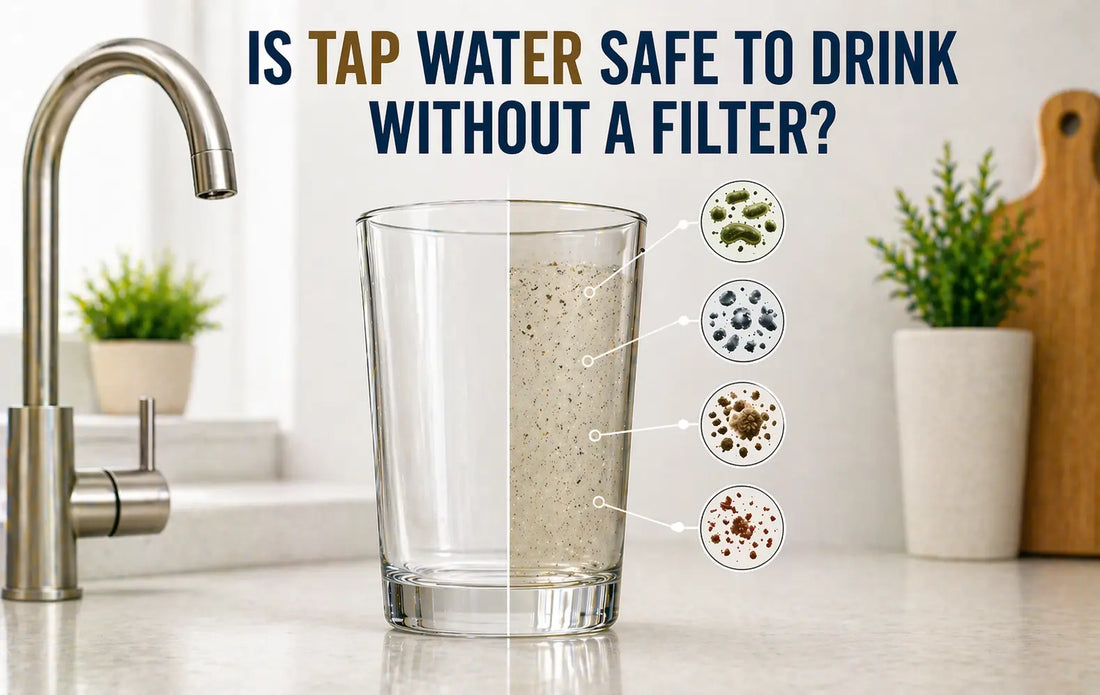 Is Tap Water Safe to Drink Without a Filter? Safety Guide – ShowerEnvy
Some older San Francisco buildings still have lead service lines or lead solder, and testing has turned up elevated lead in a small number of homes. The fix isn't dramatic: run the cold tap for thirty seconds to two minutes before filling a glass, especially first thing in the morning.
Use cold water only for drinking and cooking. Hot water pulls more lead and sediment out of pipes, which is the opposite of what you want in your pasta pot.
How It Tastes, Honestly
SF water is soft — low in dissolved minerals, thanks to all that granite snowmelt. That's a gift if you're into coffee or tea, since soft water extracts flavor without the chalky edge harder water can bring.
Bartenders around town will tell you the same thing about ice. Clear, neutral water makes a cleaner drink, and nobody wants their negroni tasting like a swimming pool.
One more detail worth knowing: the mineral profile stays so consistent that San Francisco has occasionally placed well in blind taste tests against bottled brands. Not bad for something that arrives through a pipe.
Better Than Bottled?
Usually, yes. Roughly a quarter of bottled water is just packaged municipal tap water anyway, and it costs about two thousand times more per gallon.
Then there's the plastic. Bottles are convenient, but they're also a habit that San Francisco's water system quietly makes unnecessary.
 NSF Certifications Explained - Olympian Water Testing, LLC
Practical Moves
If you're in a newer building, you're probably fine drinking straight from the tap. Fill a pitcher and stash it in the fridge — cold water tastes better, and the chlorine fades as it sits.
In an older building, or if you're pregnant or have small kids, an NSF-certified filter is cheap insurance. Pitcher filters and under-sink carbon units both handle lead and taste issues well.
You can also check SFPUC's map of lead service lines or request a water quality test. Knowing beats guessing, every time.
Reusable bottles are the easy win here. Fill one before you leave the house and you'll skip the four-dollar fridge case on the way to work.
One Last Thought
Most of us never think about water until something's wrong with it. Then it becomes the only thing we can think about.
San Francisco sits in a lucky spot: excellent source water, gravity delivery, constant testing, and a safety record that holds up. A thirty-second flush and a decent filter cover nearly all of the real-world risk.
So go ahead and refill that bottle. The snowmelt's fine.
