When Do You Turn A Car Seat Facing Forward

Last weekend, my friend texted me at 11 p.m. “My kid just turned 2. Can I flip the car seat forward now?” She added a tired-face emoji, as if that settled the legal argument....
Last weekend, my friend texted me at 11 p.m. “My kid just turned 2. Can I flip the car seat forward now?” She added a tired-face emoji, as if that settled the legal argument. I laughed, then remembered that every parent asks this question eventually.
It feels like a rite of passage, right up there with first steps and first words. But the answer isn’t tied to a birthday candle. It’s tied to height, weight, and the limits printed on your car seat—plus a healthy dose of patience.
The Short Answer (Sorry, It’s Not a Date)
The American Academy of Pediatrics recommends keeping kids rear-facing until at least age 2. But “at least” is doing a lot of work in that sentence. Many safety experts say to max out the rear-facing seat before turning it around.
Must Read
That means your child should stay rear-facing until they hit the maximum height or weight allowed by the seat’s manufacturer—not when they turn 2, not when their feet touch the back seat, not when you’re tired of lifting them over the side.
Yes, laws vary by state: some require rear-facing until 2, some until 1, and some use weight thresholds. But laws are minimums, and safety best practice usually goes further.
Why Rear-Facing Is Such a Big Deal
Crash physics is not sentimental. In a frontal crash, a rear-facing seat cradles the child’s head, neck, and spine against the shell. The forces spread across the whole back, not just the neck.
A forward-facing child is held by the harness, but their heavy head can whip forward. Little necks have soft bones and stretchy ligaments. That combination is not great for spinal cords.
And no, their legs are not going to break because they’re folded up like a pretzel. Kids sit cross-legged, prop their feet on the seat back, or just complain. Leg injuries are rare; head and neck injuries are the bigger worry.
“But he looks squished!” Sorry, Grandma: looks are not a safety metric, and comfort matters less than survival.
 Resources | Child Passenger Safety | CDC
The Real Checklist for Turning Forward
1. Your child has maxed out the rear-facing seat.
Check the manual and the label on the seat. Every seat has a rear-facing height and weight limit. Once your child exceeds either one, it’s time to turn forward.
2. Your child is at least 2 years old.
Ideally older: if they’re 3 and still fit rear-facing, great; if they’re 4 and still fit, even better. There’s no prize for flipping early.
3. The forward-facing seat is installed correctly.
Use the seat belt or lower anchors according to the manual. Then attach the top tether. It reduces head movement in a crash and is not optional if your car and seat have it.
4. You’ve read both manuals.
Your car’s manual and the car seat’s manual—yes, both. I know it’s boring, but so is a loose installation.
When Forward-Facing, Don’t Get Sloppy
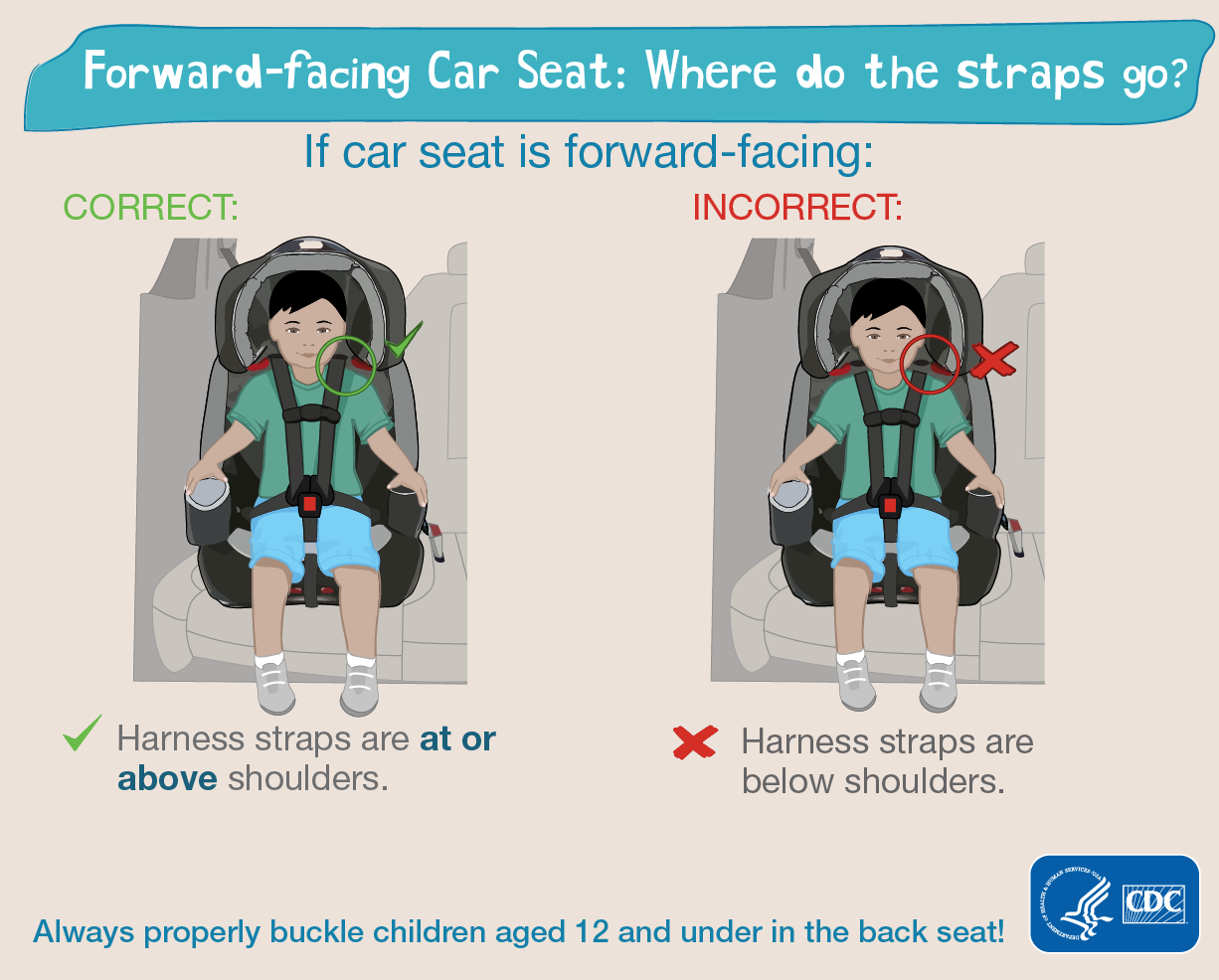
Once forward-facing, keep using the harness until your child outgrows it by height or weight. Then move to a booster seat. Then, eventually, the regular seat belt.
Make sure the harness is snug. The chest clip should be at armpit level. The seat should move less than one inch at the belt path when you tug it.
 Best Forward Facing Car Seats for 2021 - Picks for every Budget
Skip bulky coats under the harness. They create slack that you can’t see. A thin fleece is fine; a puffy winter jacket is not.
The Milestone Trap
We treat car seat transitions like achievements, but they’re actually safety downgrades: rear-facing is safest, forward-facing with a harness is next, booster is after that, and seat belt alone is last.
So don’t rush to “level up”; keep them in the safest stage they still fit. If they complain, offer a snack. If your back complains, buy a seat that’s easier to load.
When do you turn a car seat facing forward? When your child outgrows the rear-facing limits, not when you outgrow your patience. Check the manual, check the law, and then wait a little longer if you can.
Your toddler won’t remember riding rear-facing. Their spinal cord will never forget the crash you avoided. Okay, that’s dramatic—but also true.
So yes, turn it when the seat says so—and not a moment sooner if you can help it.
