Best Time To Go To Big Bend National Park

Big Bend doesn’t really have an off-season. It has moods, and each one changes the park’s personality. Ask five Texans when to go, and you’ll get five answers—plus a lecture a...
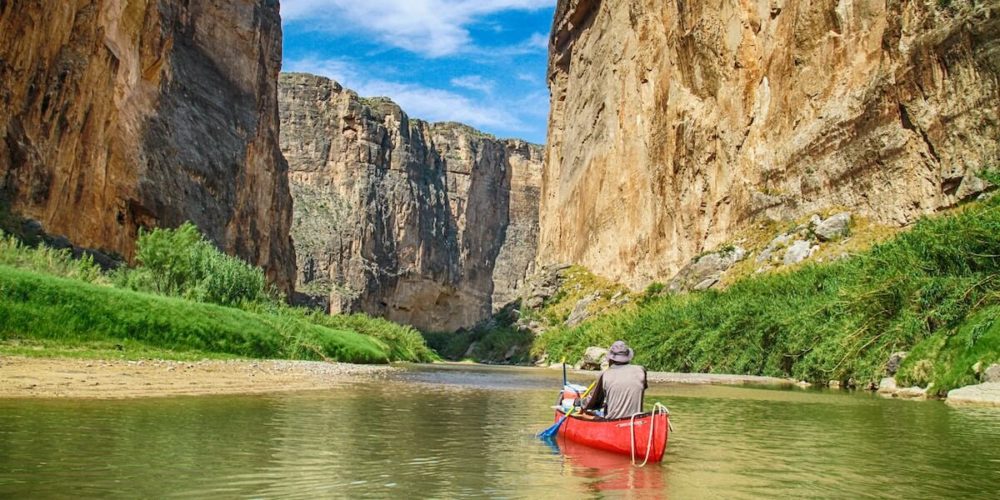
Big Bend doesn’t really have an off-season. It has moods, and each one changes the park’s personality. Ask five Texans when to go, and you’ll get five answers—plus a lecture about carrying water.
The Short Answer
The short answer: spring and fall are the sweet spots. March through May and October through November deliver warm days, cool nights, and desert colors that look dialed up. If you can only pick one, aim for late October or early November.
Spring: Wildflowers, Birds, and a Full Parking Lot
Spring is Big Bend’s show-off season. Ocotillo whips out red blooms, prickly pear pops with pink, and bluebonnets sneak along the roads. Migratory birds swing through on their way north, making this a bucket-list moment for birders.
Must Read
Daytime temps often sit in the 70s and 80s, which feels generous when you’re hiking the Window Trail. Nights still get chilly, so pack a puffy jacket and a beanie. The catch? Spring break and Easter bring crowds, especially around Chisos Basin and Santa Elena Canyon.
Book campsites and rooms months ahead if you’re traveling in March or April. If you’re flexible, go midweek and start hikes at sunrise. You’ll share the trail with javelinas instead of selfie sticks.
Fall: The Local Favorite
Fall might be the most pleasant time to visit. October and November bring crisp air, golden light, and fewer families than spring. The desert cools down, but the Rio Grande still glows like a lazy summer afternoon.
This is also festival season. Terlingua’s chili cook-off draws characters who look like they’ve stepped out of a Texas country song. If you like your road trips with a side of eccentricity, plan around early November.
Just don’t expect empty trails on Thanksgiving weekend. Big Bend is remote, but it isn’t a secret anymore. Reserve early, and keep an eye on weather swings—fall can flip from tank-top warm to scarf-cold in a day.
Winter: Quiet, Clear, and Occasionally Frosty
Winter is underrated. From December through February, the desert floor often sits in the 60s, making hikes around Hot Springs and Rio Grande Village downright pleasant. Crowds thin out, except during holidays.
 📅 The Best Time to Visit Big Bend National Park in 2023
Up in the Chisos Mountains, though, it can snow. Ice on the road to Chisos Basin is possible, and overnight lows can dip into the 20s. Bring layers, check road conditions, and don’t assume Texas means warm.
Winter also serves some of the best stargazing of the year. Big Bend is an International Dark Sky Park, and cold, clear nights make the Milky Way look like a spilled bag of glitter.
Summer: For Heat Seekers and Mountain Mice
Summer is the season people either love or survive. The desert can hit 100°F and beyond, so low-elevation hikes become early-morning missions. By noon, you’ll understand why locals nap.
The Chisos Mountains are your escape hatch. At higher elevations, temps run 10 to 20 degrees cooler, and afternoon monsoon storms roll in like drama. Just watch for flash floods in canyons and arroyos.
If you visit in summer, start before sunrise, carry more water than you think you need, and save the desert for dusk. The reward? Fewer people and some of the most dramatic cloudscapes in Texas.
Practical Stuff That Saves Your Trip
Water is not optional. The National Park Service suggests at least one gallon per person per day, and more if you’re hiking. There’s little shade, and your body will not negotiate.
 A beginner’s guide to visiting Big Bend National Park: Everything you
Cell service is basically a rumor. Download offline maps, tell someone your plans, and don’t rely on GPS. Gas up at Panther Junction or Rio Grande Village when you can.
Lodging inside the park is limited, so book early or stay in Terlingua, Study Butte, or Alpine. The drive is part of the charm, especially if you like long horizons and good road-trip playlists.
Fun Facts and Detours
Big Bend is larger than Rhode Island, which explains why “just popping over” takes an hour. The Chisos are the only mountain range entirely contained within a U.S. national park. And with more than 450 bird species, it’s a birder’s paradise.
Don’t miss Santa Elena Canyon, where the Rio Grande slices through limestone walls. Soak in the hot springs, and drive the Ross Maxwell Scenic Drive at sunset. Bring a camera, but also just stand there.
The best time to go to Big Bend is partly about weather, partly about crowds, and mostly about what you want. Want wildflowers or birds? Spring is your season, while fall brings festivals and golden light. Winter offers solitude and stars, and summer in the Chisos delivers mountain breezes.
A Last Thought for the Road
Big Bend rewards the people who stop waiting for perfect conditions. The park is big, hot, cold, crowded, empty, and beautiful—sometimes all on the same day. Go when you can, pack smart, and let the landscape set the pace.
That lesson travels well. You don’t need ideal circumstances to have a good life. You need water, curiosity, and the willingness to show up for the weather you get.
