What Food To Buy In Thailand To Take Home

The best souvenir from Thailand is rarely the fridge magnet. It’s the bag of crispy shallots, the jar of chili paste, the tea that tastes like a Bangkok morning. Food travels...
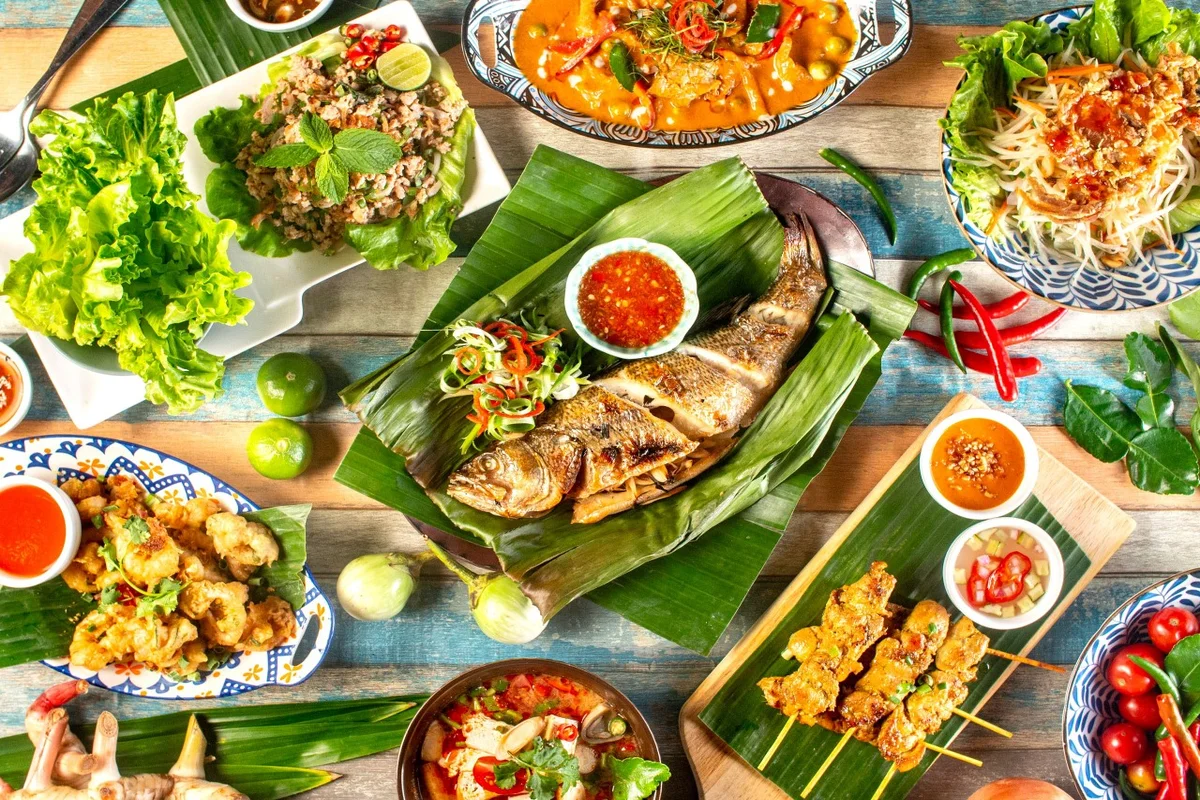
The best souvenir from Thailand is rarely the fridge magnet. It’s the bag of crispy shallots, the jar of chili paste, the tea that tastes like a Bangkok morning. Food travels well when you choose wisely, and it keeps the trip alive long after the tan fades.
Thai markets are a treasure hunt. You’ll find everything from instant noodles to dried mango, often for less than a street-side iced coffee. The trick is knowing what survives the flight and what will make your suitcase smell like fish sauce forever.
Start With the Pantry Heroes
Thai curries taste brighter when you use curry paste instead of powder. Look for small cans or vacuum-sealed pouches of red, green, and yellow curry paste. They’re lightweight, shelf-stable, and packed with lemongrass, galangal, and kaffir lime.
Must Read
Mae Ploy and Mae Sri are reliable brands you’ll see everywhere. A single tablespoon transforms coconut milk and chicken into something that tastes almost like Chiang Mai. Buy two more than you think you need.
Don’t forget fish sauce, the salty backbone of Thai cooking. Choose a small bottle with a tight seal, and wrap it in a zip-top bag. Your pad Thai will thank you, even if your socks briefly complain.
Snacks That Survive the Flight
Thailand excels at snacks that are crunchy, salty, sweet, and slightly addictive. Dried mango is the classic, but check the label for added sugar. The best versions are chewy, tangy, and taste like sunshine.
Kun Chiang is a sweet Chinese-style sausage with a firm texture and a loyal following. It’s often sold vacuum-packed, which makes it a great take-home treat. Slice it thin and pan-fry it for an instant appetizer.
Pork floss and crispy pork rinds are polarizing but wonderful. Pork floss is fluffy, savory, and excellent on rice or toast. Pork rinds, or khaep mu, are best eaten fresh, but sealed bags can work if you pack them carefully.
Instant noodles deserve a spot in your carry-on, too. Thai brands like Mama and Wai Wai come in tom yum, crab, and green curry flavors. They’re cheap, light, and a fun way to relive late-night hostel meals.
 Taking A Bite Out of Thailand – Exploring My Heritage
Look for taro chips, banana chips, and rice crackers if you want something different. They’re less common abroad and usually survive turbulence with dignity.
Sauces, Pastes, and Powders
Nam prik pao is a roasted chili paste with a smoky, sweet, savory depth. Stir it into fried rice, spread it on toast, or use it as a dip for vegetables. It’s the condiment that makes everything taste more interesting.
Sweet chili sauce is easy to find at home, but Thai versions are often fresher and less cloying. A small bottle is fine; a large one is heavy and prone to leaking. Wrap it like it’s a fragile treasure.
Tom yum paste is another shortcut worth packing. It brings that hot-and-sour hit to soups, noodles, and even marinades. Add lime juice and fresh herbs at home to wake it up.
For a deeper dive, seek out gaeng kua or gaeng som paste if you like sour curries. These are less touristy and more regional. They’re a wonderful way to cook beyond the usual green curry.
Sweets With a Story
Thai sweets are often sold in beautiful little packages, which makes them easy gifts. Thai tea mix is a crowd-pleaser, especially the Cha Tra Mue brand. Boil it with condensed milk for a drink that tastes like a night market.
 The Best Thai Snacks to Bring Home: A Personal Guide (guideline for
Dried tamarind comes in sweet, sour, and chili-salted varieties. It’s a natural candy with a tangy punch. Keep a bag in your desk drawer for emergency snack attacks.
What to Skip
Fresh fruit is tempting, but many countries restrict it at customs. Durian is especially risky—and not just for legal reasons. Your fellow passengers will remember you forever, and not fondly.
Avoid anything that’s already leaking, fermenting, or smells suspicious. If a jar looks swollen, leave it on the shelf. No souvenir is worth a customs interrogation or a ruined suitcase.
Pack It Like a Pro
Use zip-top bags for powders, pastes, and sauces. Double-bag liquids, then wrap them in a T-shirt you don’t mind sacrificing. Place heavier jars in the center of your suitcase, not near the edges.
Check your home country’s customs rules before you shop. Many allow processed and packaged foods, but meat, dairy, and fresh produce often face strict limits. A quick search saves you from a sad goodbye at the airport.
A Little Thailand in Your Kitchen
Months later, you’ll open a jar of chili paste on a Tuesday night. The kitchen will smell like lemongrass, lime, and a street corner you once loved. Dinner will be ordinary, but the memory won’t be.
That’s the real point of taking food home. It turns a trip into a habit, a story you can taste. So pack the curry paste, guard the pork floss, and let Thailand linger on your shelf.
