J-hook Pool Liners For Above Ground Pools

So your above ground pool needs a new liner. You start shopping, and suddenly the words J-hook pop up like a secret handshake. Is it a tool? A fishing term? Nope. It's a cleve...
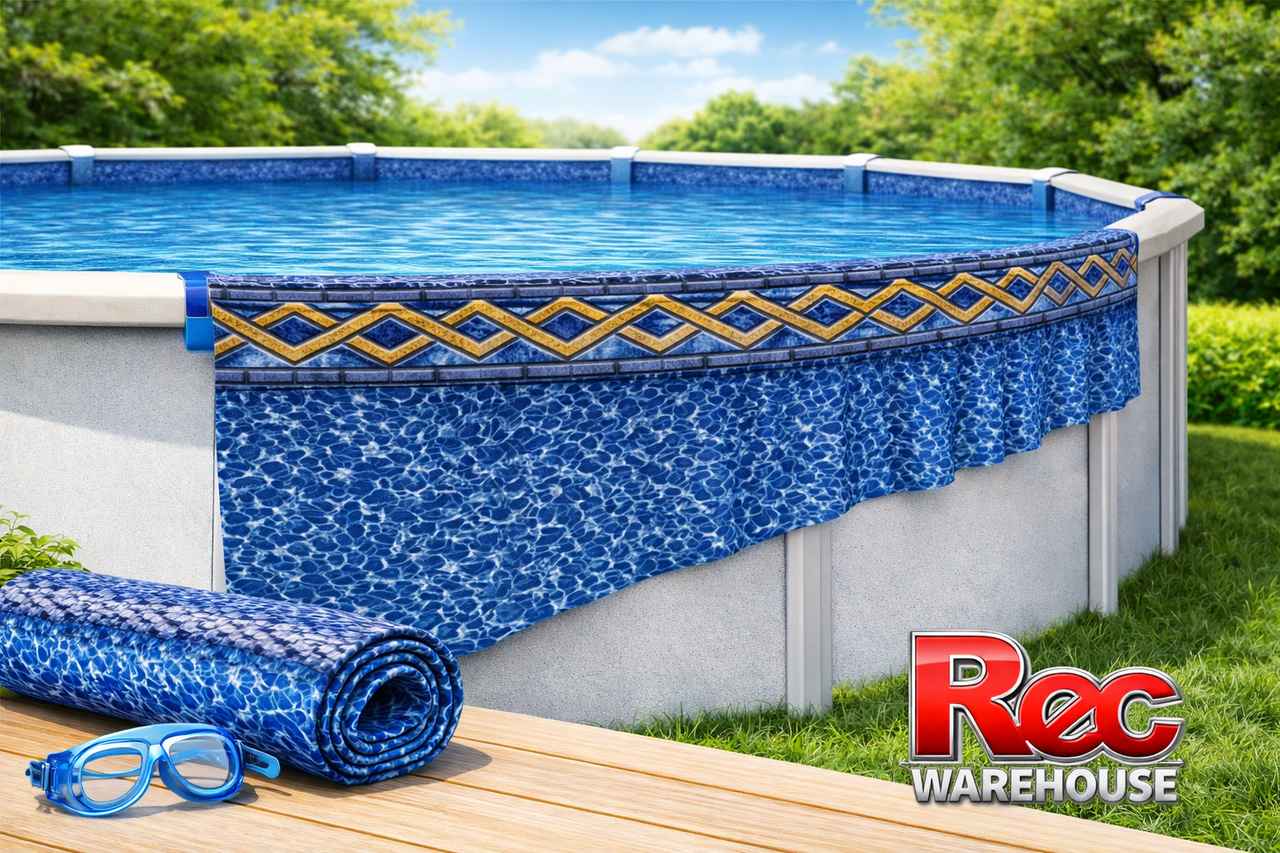
So your above ground pool needs a new liner. You start shopping, and suddenly the words J-hook pop up like a secret handshake. Is it a tool? A fishing term? Nope. It's a clever way to attach vinyl to your pool wall.
And honestly, it's one of those small design details that can make a big difference. Let's take a chill look at what J-hook liners are and why people like them.
What Exactly Is a J-Hook Liner?
Picture the top edge of a pool liner. Instead of being flat or having a thick bead, it curves into a shape like the letter J. That hook folds over the top edge of your pool's wall.
Must Read
Then the top rail or coping goes on, hiding the edge and holding it in place. The water pressure does most of the heavy lifting after that. Simple, right?
Think of it like a fitted sheet that snaps over a mattress. It doesn't need extra clips or a separate track. It just wraps around the edge and stays put.
Why J-Hook Liners Are Kind of Cool
First, they can give your pool a cleaner look. Because the liner hooks over the wall, you don't get that extra flap of vinyl hanging outside like an untucked shirt.
That matters if you care about the little details. A smooth top edge can make an above ground pool look more polished than it has any right to be.
Second, J-hook liners can work on many pools that don't have a bead receiver. A bead receiver is a track that holds a beaded liner. If your pool doesn't have one, a J-hook can be a friendly shortcut.
 Types Of Above Ground Pool Liners Beaded Vs. Overlap Above Ground
Third, installation can be less fiddly. You still need patience and a warm sunny day, but you're not wrestling with a plastic track. The liner basically hangs itself before the top rail locks it down.
J-Hook vs. Overlap vs. Beaded
Overlap liners are the old reliable. They drape over the wall, and you trim the excess after filling. They're forgiving, but the finish can look a bit homemade.
Beaded liners snap into a groove along the top of the wall. They look neat, but your pool needs the right receiver. Otherwise, you're out of luck.
J-hook liners sit somewhere in between. They offer a clean, beaded-style look without requiring that dedicated track. That's a pretty sweet spot.
What to Know Before You Buy
Not every above ground pool loves every J-hook liner. You need to match the liner to your pool's wall height, shape, and size. Measure twice, order once, and all that.
Some liners are sold as unibead or J-hook/beaded combo. Those can be used either way, which adds flexibility. But a true J-hook is designed to hang over the wall edge.
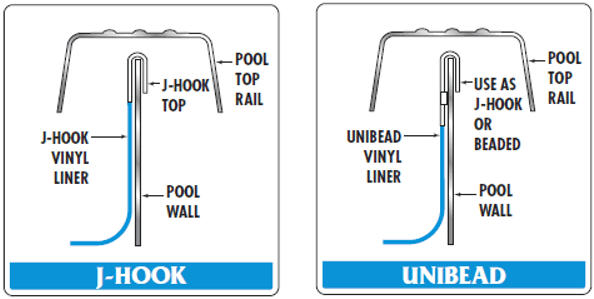 Above Ground Pool Liner Types: The Good and the Bad
Also, check the wall's top edge. If it's rough, bent, or covered in weird build-up, the liner may not sit smoothly. A little prep can save a lot of swearing later.
Installation Mood
Warm weather is your friend. Vinyl gets stiff when it's cold, like a frozen tarp. Let the liner sit in the sun for a bit so it relaxes and stretches where you need it.
Two people are better than one. One can hold the hook in place while the other works around the pool. Trying to do it solo is like putting a duvet cover on a king bed during a windstorm.
Don't force anything. If the J-hook isn't seating right, stop and check the alignment. A gentle nudge is fine; a heroic yank is not.
So, Should You Go J-Hook?
If you want a clean look, a straightforward install, and you don't have a bead receiver, a J-hook liner is worth a look. It's a quiet upgrade that does its job without showing off.
And sometimes, that's exactly the upgrade you want. No drama, no extra track—a nice edge that stays where it belongs.
