How To Get Rid Of A Underground Bees Nest

That low, electric hum near the garden bed isn’t a tiny lawnmower convention. It might be an underground bee nest, which sounds cozy until you realize the tenants have wings a...
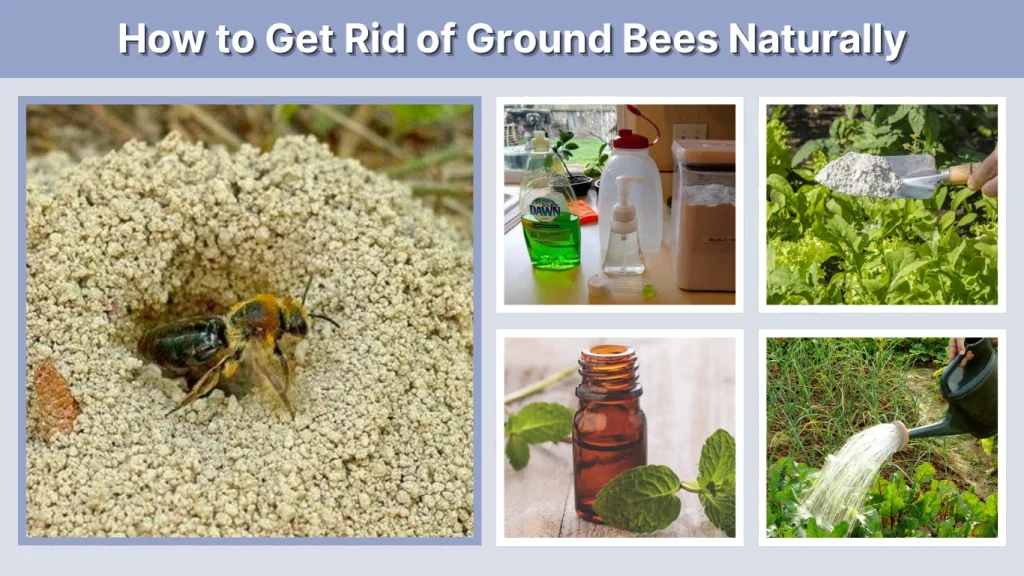
That low, electric hum near the garden bed isn’t a tiny lawnmower convention. It might be an underground bee nest, which sounds cozy until you realize the tenants have wings and opinions. The good news: most ground nests can be handled with patience, timing, and a little respect for the insect world.
First, Figure Out Who’s Actually Down There
Not every buzzing hole in the ground is a honeybee hive. Many solitary mining bees dig tiny burrows in bare soil, and they’re gentle pollinators that rarely sting. Yellow jackets, on the other hand, are wasps with a bad attitude and a taste for your picnic.
Bumblebees may also nest underground, often in abandoned rodent burrows. They’re fuzzy, clumsy, and generally uninterested in you—unless you step on the nest. Watch from a safe distance to see what’s coming and going.
Must Read
If the insects are small, solitary, and minding their own business, you may not have a problem at all. If they’re yellow-and-black, aggressive, and pouring out like a tiny angry parade, that’s a different story.
Suit Up Like a Beekeeper, Not a Hero
Before you do anything, put on protective clothing. Long sleeves, long pants, closed shoes, socks, and thick gloves are your new best friends. A veil or mesh face covering is smart if you’re dealing with wasps.
Avoid dark colors, floral prints, and strong perfumes. Bees and wasps are attracted to sweet smells and can read dark clothing as a threat. You want to look boring, not like a walking flower.
And please, do not swat wildly. That’s how a manageable nest becomes a full-blown action movie.
Timing Is Everything
The best time to act is at dusk or after dark. Most bees and wasps are home then, and cooler temperatures make them sluggish. They can’t see red light well, so a red-filtered flashlight is safer than a bright white beam.
Stand to the side, not directly in front of the entrance. You want an escape route, not a confrontation. If you’re allergic to stings or unsure about your reaction, skip the DIY route entirely.
The Gentle Approach (If They’re Actually Bees)
For solitary mining bees, the kindest solution is often doing nothing. They live alone, pollinate early spring flowers, and usually vanish within a few weeks. Their nests are shallow, so you can fill the holes later with soil or mulch.
 7 Ways You Can Naturally Get Rid Of Ground Bees (No Harsh Chemicals Needed)
For bumblebees, call a local beekeeper or wildlife rescuer. Many will relocate a nest for free or a small fee. Bumblebees are valuable pollinators, and they’re not built for a turf war.
Honeybees rarely nest underground, but if you find one, contact a beekeeper immediately. A swarm in a tree is one thing; a colony in the ground is a job for someone with experience.
When You Need to Evict: Safe Methods
If yellow jackets have taken over, you’ll need a plan. Buy an insecticide dust or aerosol specifically labeled for ground-nesting wasps. Never use gasoline, diesel, or fire—those are dangerous, illegal in many places, and a great way to ruin your eyebrows.
Apply the product at night, following the label exactly. Aim for the entrance, then walk away calmly. Don’t block the hole immediately; returning workers need to contact the treated area.
Wait a day or two, then check for activity. Once things are quiet, fill the hole with dirt or gravel. Keep kids and pets away from the area until you’re sure the nest is dead.
Call a Pro If...
Call a professional if the nest is large, close to your house, or near a sidewalk. Call one if anyone in your household is allergic, or if you’ve already been stung. Yellow jacket nests can contain thousands of workers, and they defend their home with enthusiasm.
Professionals have suits, sprays, and the calm energy of someone who has seen it all. Paying for help is cheaper than an emergency room visit. There’s no shame in outsourcing the scary part.
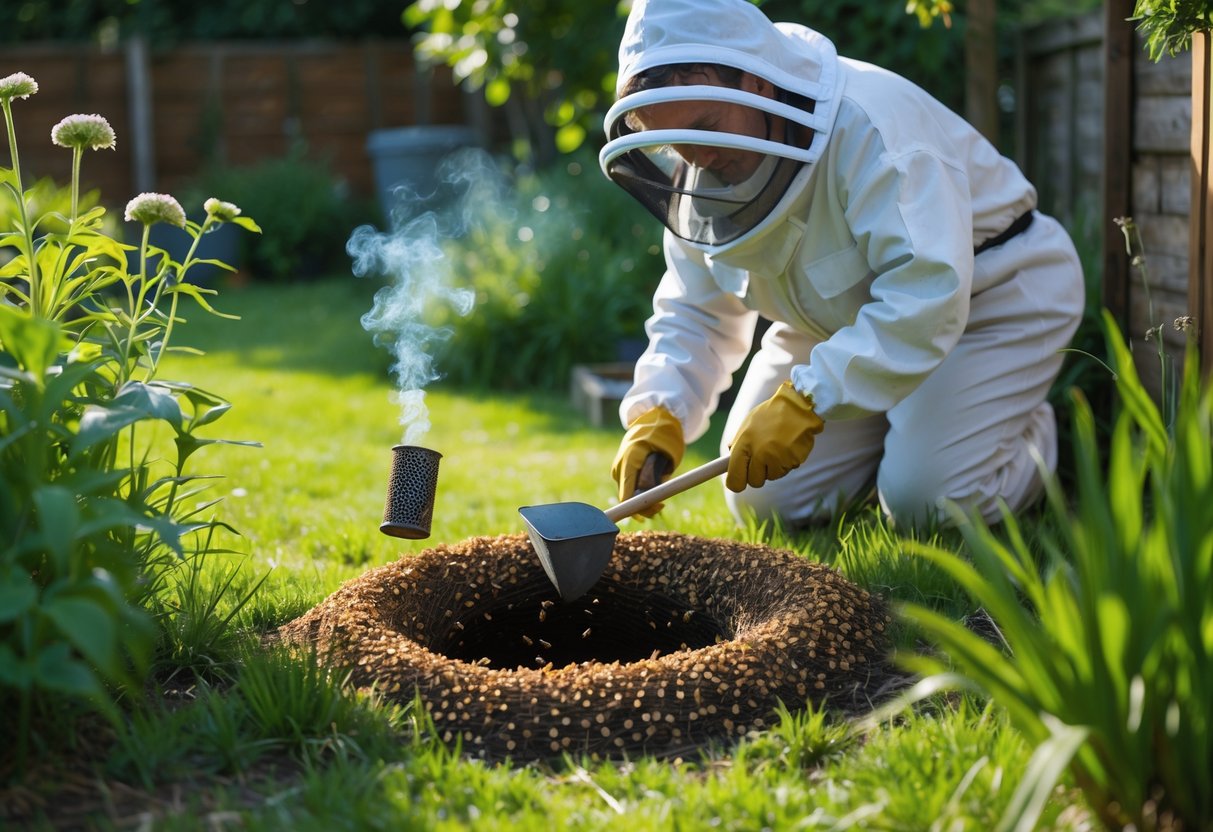 How Do I Get Rid of a Bees Nest in the Ground UK Friendly Tips and Safe
If You’re Allergic
If you carry an epinephrine auto-injector, keep it with you. Even if you don’t, know the signs of a severe reaction: swelling away from the sting, difficulty breathing, dizziness, or nausea. Call emergency services immediately.
Do not try to be brave. Bravery is for rescuing dogs and finishing leftovers; anaphylaxis is not a DIY project.
After the Buzz
Once the nest is gone, think about prevention. Fill bare patches in your lawn, water and seed thin grass, and keep trash cans closed. Fallen fruit and sugary drinks are basically yellow jacket billboards.
Fun fact: honeybees communicate by dancing, but yellow jackets communicate by showing up uninvited. Nature has a sense of humor.
A Small Reflection on Sharing Space
An underground nest is a good reminder that not every problem needs a dramatic showdown. Sometimes you observe, identify, and decide whether to act or let it be. Other times, you suit up, wait for dusk, and call in reinforcements.
Life is full of underground hums—group chats, neighbors, deadlines, that weird noise in the basement. The trick is knowing which ones are harmless pollinators and which ones are yellow jackets with a grudge.
Handle what you must, leave what you can, and always wear closed shoes. That’s decent advice for bees and for most Mondays.
