Can A Car Seat Be Used After An Accident

The short answer is maybe, but probably not. It hinges on how bad the crash was, what your car-seat manual says, and whether your insurance company is feeling generous. If you...
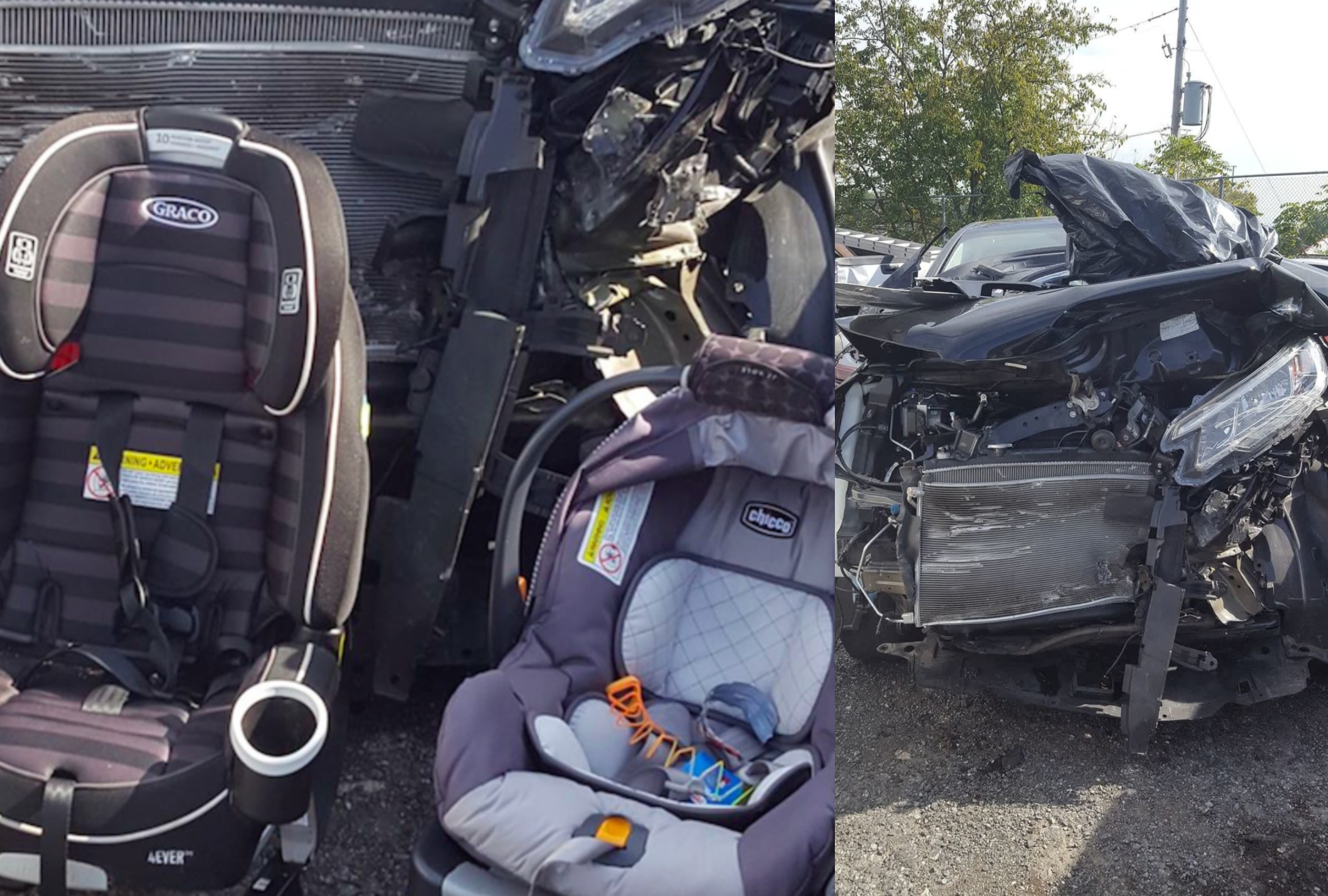
The short answer is maybe, but probably not. It hinges on how bad the crash was, what your car-seat manual says, and whether your insurance company is feeling generous. If you’re squinting at a buckle and wondering, “Is this still safe?” the safest move is almost always to replace it.
Car seats are not like a favorite hoodie. You can’t just shake off a fender bender and keep going. They’re built to protect a small human once, and that protection can be compromised in ways you can’t see.
The “Minor Crash” Loophole
The National Highway Traffic Safety Administration (NHTSA) says you should replace a car seat after a moderate or severe crash. For a minor crash, it offers a narrow exception. But “minor” has a very specific definition.
Must Read
All of these must be true: the vehicle could be driven away from the crash site, the door closest to the car seat wasn’t damaged, no one was injured, the airbags didn’t deploy, and there’s no visible damage to the car seat itself. That’s a lot of boxes to tick.
Even then, your car-seat manufacturer might disagree. Some brands insist on replacement after any crash, full stop. The manual is the boss here, not a neighbor who once played a doctor on TV.
Why Crash Physics Don’t Do “Maybe”
A car seat is engineered to absorb energy by flexing, crushing, and stretching in controlled ways. After a crash, the plastic shell may have microscopic stress fractures. The harness webbing may have stretched beyond its safe limit.
You might see nothing. That’s the problem. A seat can look perfectly fine and still be a ghost of its former self.
Here’s a fun, slightly terrifying fact: a 30 mph crash is like falling from a three-story building. Now imagine that force focused on a five-point harness. It’s no wonder manufacturers are cautious.
Pop culture hasn’t always helped: in old movies and TV shows, kids bounced around station wagons like popcorn. The Brady Bunch gang probably never saw a booster seat. We know better now, and better means checking the manual.
The Insurance Tango
Many auto insurance policies cover car-seat replacement after a crash. Ask your adjuster directly. Keep the receipt, the police report, and photos of the seat in your car.
Some insurers will reimburse you for a new seat with a similar model. Others may try to lowball you. Stay polite but firm, and mention the manufacturer’s replacement guidelines.
 Do You Need To Replace Car Seat After Accident - Velcromag
If the other driver was at fault, their insurance may pay. Don’t be shy about asking. You’re not being dramatic; you’re being a responsible parent.
What If It Really Was Minor?
Let’s say you meet every NHTSA minor-crash criterion. You still need to read your seat’s manual. Call the manufacturer’s customer service if the manual is vague.
Give them your seat’s model number and date of manufacture. Tell them exactly what happened. They may say, “You’re fine,” or they may say, “Replace it.” Follow their answer.
If you can’t reach them, or you’re unsure, replace the seat. A new car seat costs far less than a trip to the emergency room. That math is not complicated.
The Used-Seat Trap
After a crash, some seats end up on Facebook Marketplace or at a yard sale. The seller might say, “It was barely in a fender bender.” That’s not a warranty.
You have no way to verify the crash history, storage conditions, or whether the seat was ever checked for recalls. Skip it. Buy new, or accept a used seat only from a trusted friend or family member with full history.
Also, car seats expire—most last six to ten years from the date of manufacture. Plastic and harness materials degrade over time, even if the seat looks pristine. Check the label.
Heat cycling in a parked car is brutal on plastic and webbing. That’s why an expiration date exists.
A Practical Checklist for Panicked Parents
First, check the manual. Second, call the manufacturer. Third, call your insurance company. If any step leaves you with doubt, replace the seat.
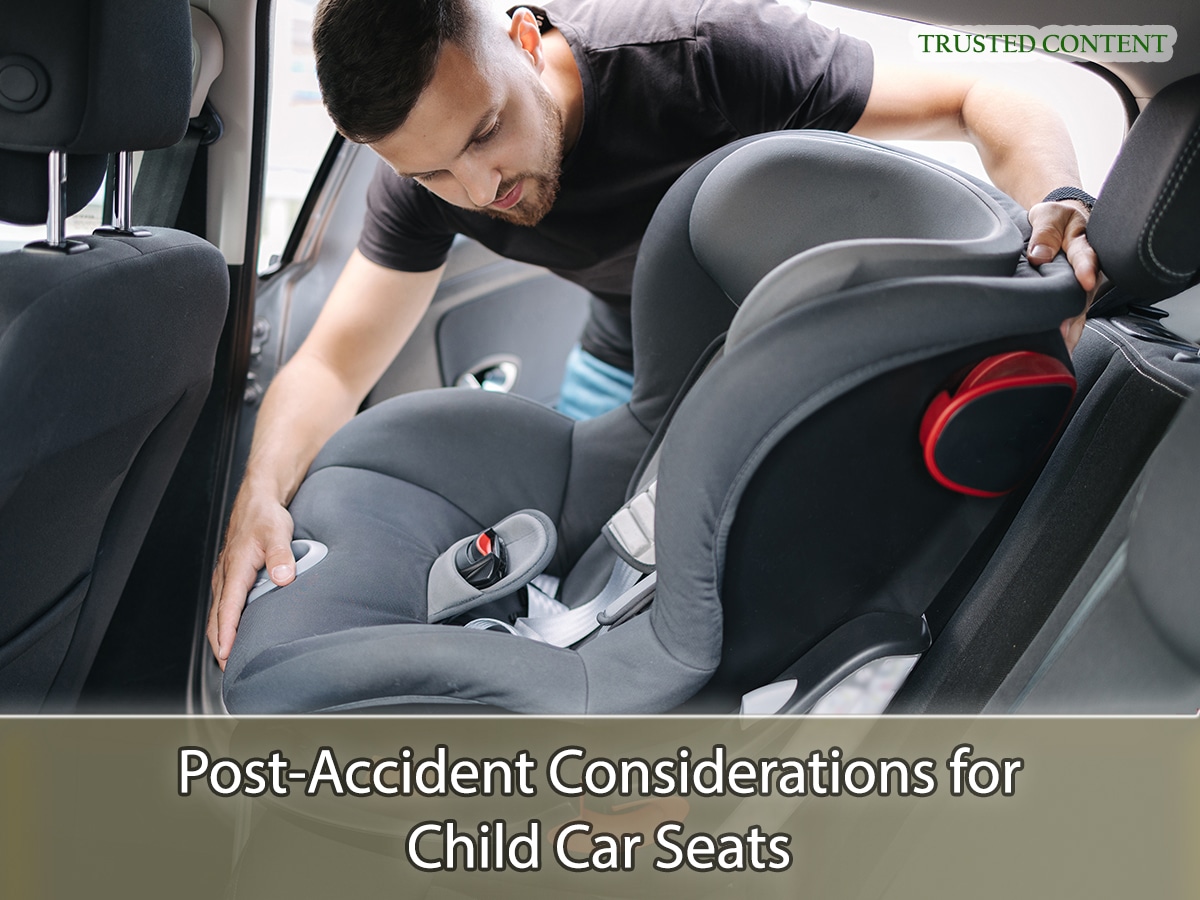 Child Car Seat Safety After an Auto Accident in California
Before you toss the old seat, cut the harness straps and write “CRASHED” on the shell. That keeps someone else from fishing it out of the trash. It’s a small act of public service.
If you’re replacing, consider a seat that fits your child’s height and weight, your car, and your budget. You don’t need the fanciest model. You need the right install and a tight harness.
If you need a replacement right away, many manufacturers offer crash replacement programs or discounts. Ask your insurer or the brand’s customer service.
The Emotional Part
There’s something oddly sentimental about a car seat. It held your baby on the first ride home. It caught crumbs, tears, and maybe a few mystery stains.
But sentiment doesn’t protect a child in the next crash. The seat’s job is to be a safety device, not a memory box. Take a photo if you need to, then let it go.
And don’t repurpose a crashed seat as a stroller accessory or a porch chair. It’s not furniture. It’s damaged safety gear.
A Daily-Life Reflection
We replace smoke alarm batteries, toss expired milk, and retire running shoes after too many miles. A car seat after a crash belongs in that same category. It’s maintenance, not paranoia.
Life with kids is a series of small judgments made quickly. You buckle them in, kiss their heads, and hope the world is gentle. When the world isn’t gentle, you check the manual and do the next right thing.
So can a car seat be used after an accident? Sometimes, under strict rules, with a manufacturer’s blessing. But if you’re asking the question, the answer is usually no. Replace it, install the new one carefully, and drive on.
