Weeds That Look Like St Augustine Grass

You’re standing on your lawn, and something feels off—the grass is green, thick, and familiar, but a few patches just don’t match. Maybe they’re a shade lighter, a little flat...
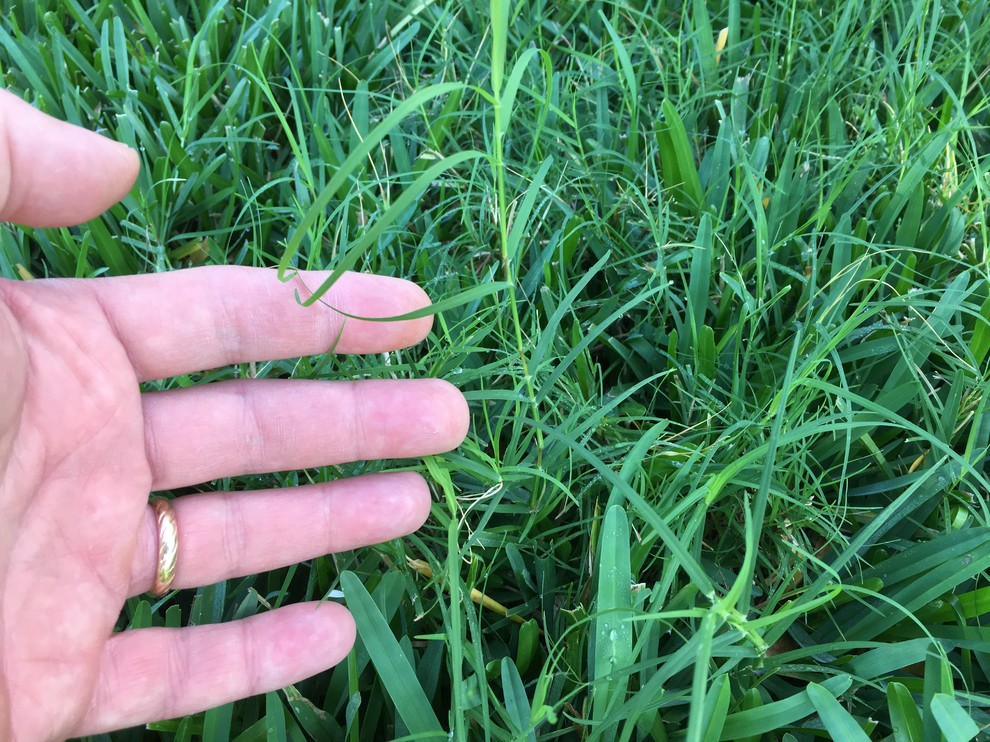
You’re standing on your lawn, and something feels off—the grass is green, thick, and familiar, but a few patches just don’t match. Maybe they’re a shade lighter, a little flatter, or oddly clumpy. Welcome to the sneaky world of weeds that look like St Augustine grass.
St Augustine grass is the big, broad-bladed carpet many of us love in warm climates. Its blades are wide, rounded at the tips, and it creeps along the ground with stolons. That look is distinctive—until a weed decides to copy it.
Why Would a Weed Copy St Augustine?
Blending in is a survival strategy: if a weed looks like your lawn, you’re less likely to notice it, pull it, or spray it. It gets the same water, fertilizer, and mowing as the grass around it. That’s not just clever—it’s a tiny act of biological espionage.
Must Read
The Usual Suspects
Tropical Signalgrass
This is the master of disguise. Tropical signalgrass has broad blades, a creeping habit, and a color that can pass for St Augustine at a glance. It spreads by stolons, just like the real thing, so it can weave itself into your lawn.
But look closely at the leaf tips: St Augustine blades are rounded, almost spoon-like, while tropical signalgrass tips are more pointed. Its seedheads also give it away—they branch out like tiny fingers, while St Augustine’s seedhead is thicker and less finger-like.
If you spot it early, you can hand-pull small patches. But if it’s established, you may need a selective herbicide labeled for grassy weeds. Timing matters, because mature signalgrass is tougher than it looks.
Dallisgrass
Dallisgrass is the weed that forgot to hide its height. It grows in clumps instead of creeping, and its blades are wide and coarse. From a distance, it can look like a tuft of St Augustine that decided to stand up straight.
 Common Weeds in St Augustine Grass (Look Out for These)
Its seedhead is the real giveaway. Dallisgrass produces branches that look like a bird’s foot, often with black, fuzzy ergot spots. St Augustine doesn’t do that, so if you see a clump, grab a shovel or a spot spray—not a broadleaf weed killer.
Carpetgrass
Carpetgrass is another creeping grass that can mimic St Augustine. It likes wet, acidic soil and often looks like a thinner, less lush version of the real thing. Its blades are broad, but they feel a bit coarser.
The seedhead is your clue: carpetgrass has two finger-like branches at the top, like a tiny antenna. St Augustine’s seedhead is different. If your lawn is thin and wet, carpetgrass may be quietly moving in.
Nutsedge and Kyllinga
These two aren’t true grasses, but they look grassy enough to fool a casual glance. Nutsedge has a triangular stem—roll it between your fingers and you’ll feel the edges. St Augustine stems are flat or round, not triangular.
 Is Zoysia Grass Good: Ultimate Guide to a Lush Lawn
Kyllinga looks like a miniature grass with a spiky ball on top. It loves wet, compacted soil. Both are like ninjas in the lawn: thin, fast, and hard to catch, and pulling them by hand often makes them worse because they leave tubers or rhizomes behind.
Why Misidentification Matters
If you spray the wrong product, you’re just watering the weed. Most broadleaf herbicides won’t touch grassy weeds like tropical signalgrass or dallisgrass. You need a grass-specific or sedge-specific product, and sometimes a second application.
How to Tell Them Apart
Get down close and look at the details. Check the leaf tip: rounded for St Augustine, pointed for tropical signalgrass. Also check growth habit—creeping versus clumping—and seedheads: fingers, bird’s feet, or spiky balls are all clues.
Also, keep your St Augustine thick and healthy. A dense lawn is like a bouncer at a club—weeds can’t get in. Mow at the right height, water deeply but not too often, and fix soil compaction.
Next time you’re on the lawn, don’t just see green. See the impostors. It’s a little detective game, and honestly, that’s kind of cool—just don’t let the weeds win.
