Luxury Vinyl Tile Vs Luxury Vinyl Plank

You’ve seen them in glossy before-and-afters: floors that look like oak, marble, or handmade tile, yet wipe clean with a damp cloth. The labels get tossed around like confetti...

You’ve seen them in glossy before-and-afters: floors that look like oak, marble, or handmade tile, yet wipe clean with a damp cloth. The labels get tossed around like confetti: LVT and LVP. They’re siblings, not strangers, and once you know the family dynamics, choosing gets a lot less dramatic.
Here’s the short version: Luxury vinyl tile usually mimics stone or ceramic tile, often in squares or rectangles. Luxury vinyl plank mimics hardwood, with long, narrow boards. Both are vinyl, both are popular, and both can fool your guests until they bend down and squint.
The Family Tree
“Luxury” is mostly marketing sparkle. Vinyl itself has been around since the mid-20th century, and luxury vinyl arrived later as a thicker, printed, layered upgrade. The core gives structure, the print layer delivers the look, and the wear layer protects it from life.
Must Read
Think of LVT as the tile impersonator and LVP as the wood whisperer. Some manufacturers use the terms interchangeably, which is annoying but common. If you’re shopping, ignore the label for a second and look at the actual shape, finish, and construction.
Fun fact: vinyl flooring became a postwar American staple because it was affordable, water-resistant, and easy to clean. Your grandmother’s kitchen may have had sheet vinyl; today’s LVT is that same practical spirit in a tailored suit.
Looks, Grout, and the Illusion of Realness
LVT often comes with grout lines — either painted bevels or actual grout lines you fill. That detail can make a bathroom or laundry room feel more custom. It can also trap crumbs and require a little more scrubbing, so choose wisely if you hate detail work.
LVP skips grout and stretches across a room like a hardwood floor. The long planks can make small spaces feel larger, especially when laid diagonally or in a light, warm tone. If you want that Brooklyn brownstone vibe without the creaky subfloor drama, LVP is the usual move.
Pattern repeat is the sneaky villain. Cheap vinyl can look like the same three knots copied and pasted across your living room. Better products use more variation, so ask to see multiple boxes laid out before you buy.
Water, Pets, and Real-Life Chaos
Both LVT and LVP are generally waterproof, which is why they shine in kitchens, basements, and mudrooms. But “waterproof” doesn’t mean “flood-proof”; water can still sneak under seams or around edges if it sits there long enough.
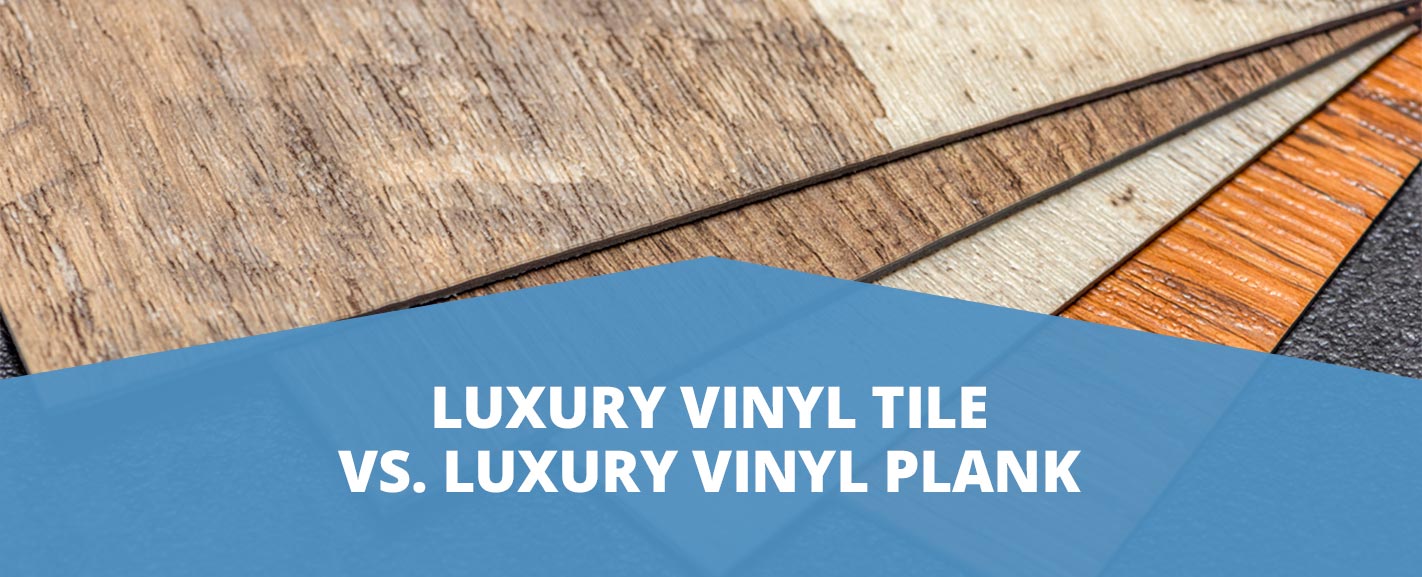 LVT vs LVP Flooring | 50Floor
Pets? Vinyl handles claws better than hardwood, but grit is the enemy. A doormat and regular sweeping will save your floor from becoming a scratch map. For big dogs, look for a wear layer of 20 mil or higher.
Wear layers are measured in mils, and thicker is tougher. A 6- to 8-mil floor can work in a bedroom or low-traffic office. For hallways, kitchens, and rentals with revolving door traffic, go thicker.
Core matters too: SPC is dense and rigid for temperature swings, while WPC feels softer underfoot and handles minor subfloor imperfections. Neither likes a wildly uneven floor, so check your subfloor first.
Installation: Click, Glue, or Call a Friend
Most LVP and LVT today use a click-lock system, which floats over the subfloor without glue. It’s DIY-friendly if you’re patient, good with a measuring tape, and emotionally prepared for spacers. Glue-down installation feels more permanent and can be quieter, but it’s less forgiving for beginners.
Acclimate the planks according to the manufacturer’s instructions. Skipping that step is like ignoring a bread recipe’s rising time: technically you made something, but it may not behave. Leave expansion gaps at the walls, too, because floors move with humidity and temperature.
If you’re layering over concrete, test for moisture first. A simple moisture test can save you from a bubbling, peeling headache later. And please, don’t install vinyl over carpet unless you enjoy regret as a design motif.
 Luxury Vinyl Plank (LVP) vs Luxury Vinyl Tile (LVT) - Rustic Wood Floor
Practical Tips Before You Swipe Your Card
Order samples and live with them for a week. Daylight, evening lamps, and your wall color will change everything. That grayish oak in the showroom might turn purple in your hallway.
Buy 10% extra for cuts, mistakes, and future repairs. Dye lots can vary, so keep a spare box in the closet. If a plank gets damaged, you’ll thank your past self.
Think about transitions. LVT often pairs well with tile in bathrooms, while LVP can flow into bedrooms and living rooms. A good transition strip is the unsung hero of a seamless home.
For a cultural touch, consider the “Golden Girls” lanai energy: breezy, practical, and ready for cheesecake. Or channel a Parisian café with LVT in a black-and-white check. Flooring sets the stage, but your furniture and habits write the script.
A Small Reflection
Choosing between LVT and LVP is really about how you live. Do you want the crisp geometry of tile, or the warm sweep of wood? Either way, you’re choosing a floor that forgives spilled coffee, muddy paws, and the occasional dropped spoon.
In daily life, the best surfaces are the ones that let you stop worrying about the surface. Pick the look you love, check the wear layer, and save a spare box. Then get back to the good stuff: dancing in socks, Sunday pancakes, and not stressing over a little water by the sink.
