How Long Does Kerosene Last In A Heater

Kerosene heaters are like that reliable friend who shows up with a truck and a thermos of soup. They hum along, make the room cozy, and ask for only one thing: kerosene. But h...

Kerosene heaters are like that reliable friend who shows up with a truck and a thermos of soup. They hum along, make the room cozy, and ask for only one thing: kerosene.
But how long does that kerosene actually last in a heater? Let's talk burn time, storage time, and the little things that turn a full tank into a cold evening.
Burn Time: The Short Answer
Most portable kerosene heaters burn 6 to 12 hours per tank, with some stretching to 15 or more on low. That range is like gas mileage: your buddy's truck gets 12 mpg, yours gets 9 because you drive like you're late for chili. Tank size, burn rate, and settings do most of the deciding.
Must Read
A typical heater holds one to two gallons and burns about 0.15 to 0.25 gallons per hour. So a 1.5-gallon tank gives you roughly 6 to 10 hours. Run it high, and you're basically throwing a fuel party.
Tank Size Matters
Small one-gallon tanks usually last 5 to 8 hours on high and 10 to 12 on low. Medium tanks around 1.5 to 2 gallons often give you 8 to 12 hours. Big 2.5-gallon tanks can push 12 to 18 hours if you keep things calm.
Check your manual for the real numbers. In real life, a chilly room, a tired wick, and a drafty door can shave hours off fast.
Setting Is Everything
Low is sipping. High is chugging. It's the difference between a Prius and a pickup with a lead foot.
If you want overnight heat, low is your best friend. High is for taking the chill off fast, not for running a marathon. Crank it high and you'll watch the fuel gauge drop like a phone battery on a cold morning.
 Kerosene Heater Parts Diagram and Functionality Guide
Wick Health and Other Gremlins
A dirty wick makes the heater work harder for less heat. That's like trying to drink a milkshake through a soggy straw. You burn more fuel, get less cozy, and everyone gets cranky.
Altitude, room temperature, and drafts matter too. A leaky window doesn't just let cold air in; it makes your heater burn longer to keep up. Fix the draft, and your kerosene lasts longer.
Shelf Life: Kerosene Sitting in the Heater
If you mean how long kerosene stays good while parked in the tank, that's a different question. Kerosene isn't milk, but it's not eternal either. In a sealed, clean container, it can last one to two years.
In a heater tank, think months, not years. Three to six months is reasonable if it's kept cool, dry, and sealed. Leave it through a hot summer and it may get cloudy, absorb moisture, or form varnish.
Your wick will hate you. Your flame will turn yellow and smoky. Your garage will smell like a tiny airport.
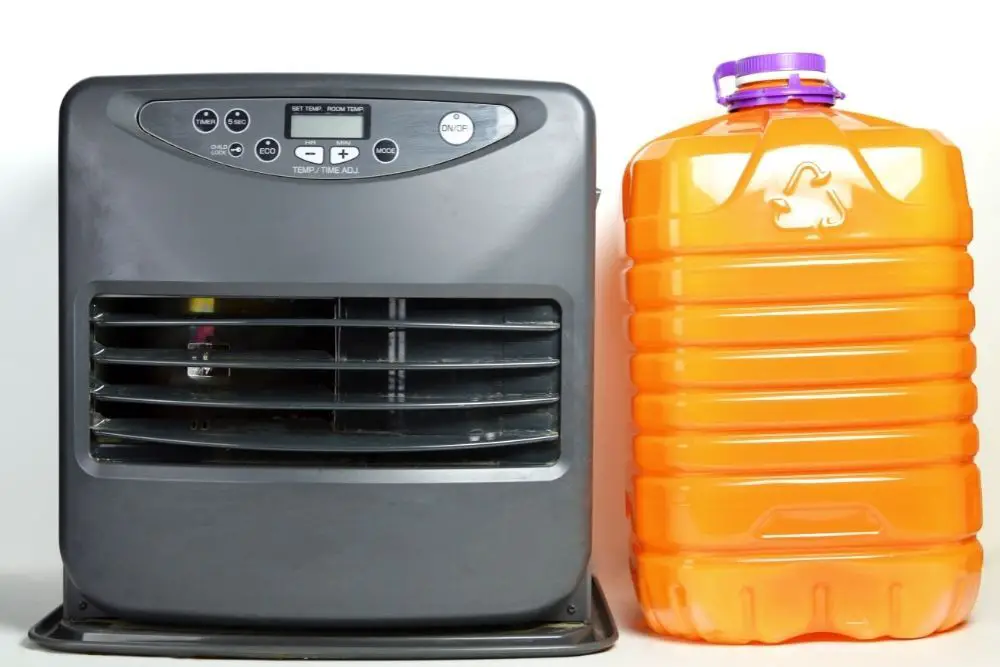 How Long Does The Wick Last On A Kerosene Heater at Douglas Hairston blog
Signs Your Kerosene Is Tired
Hard starting, a yellow flame, soot, or a weird smell are warning signs. Kerosene should be clear, not cloudy. Cloudy fuel usually means water or dirt, and water in kerosene is like an uninvited guest at a barbecue.
How to Make It Last Longer
Use fresh, clean K-1 kerosene. Store it in a proper blue container, sealed, away from sunlight and kids. At the end of the season, drain the heater tank and follow the manual.
Don't leave a half-tank of mystery fuel until next winter. Replace the wick when it's grimy. A clean wick burns efficiently, which means more heat per gallon — the closest thing to a free lunch.
The Overnight Test
Fill the tank before bed, set it low, and hope for the best. Most people get 8 to 12 hours. If you get 14, your heater is a legend; if you get 4, check the wick, the fuel, and your settings.
Bottom Line
One tank usually lasts 6 to 12 hours, sometimes longer on low. Kerosene sitting in the heater stays usable for a few months at best. Treat it like fresh coffee: use it reasonably soon, keep it clean, and don't leave it in a dirty pot for a year.
Your heater will run better, smell less, and keep your toes warm. Your future self will thank you when you're not scraping ice off the inside of the window.
