What To Do At Crater Lake National Park

Crater Lake doesn’t do subtle. The water is so blue it looks fake, like someone cranked the saturation slider and walked away. It’s the deepest lake in the United States, and...
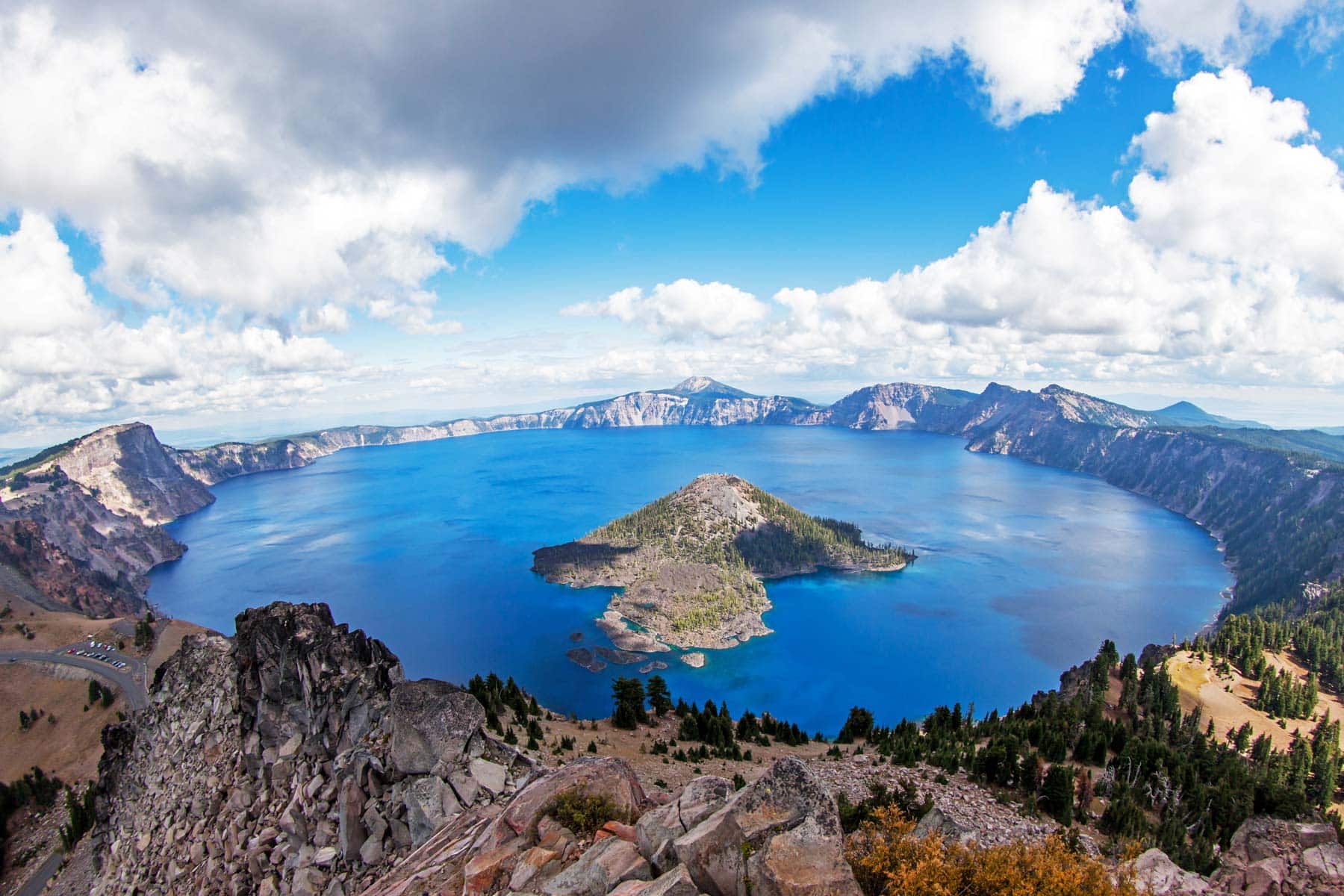
Crater Lake doesn’t do subtle. The water is so blue it looks fake, like someone cranked the saturation slider and walked away. It’s the deepest lake in the United States, and honestly, it knows it.
This is the centerpiece of Crater Lake National Park in southern Oregon. The lake fills a caldera left when Mount Mazama collapsed about 7,700 years ago. No rivers feed it, no rivers drain it—just rain, snow, and time.
The Klamath Tribes have long considered this place sacred. That’s worth remembering as you plan your visit. You’re not just checking off a national park; you’re stepping into a story much older than the parking lots.
Must Read
Start With the Rim Drive
The classic first move is Rim Drive, a 33-mile loop with roughly 30 overlooks. You can drive it in a couple of hours, but why rush? This is a place that rewards dawdling, and the lake has its own celebrity: the Old Man of the Lake, a hemlock log that’s been bobbing vertically for over a century.
Pull over at Discovery Point, Cloudcap, and Vidae Falls. Each stop offers a different angle on the lake, the cliffs, and the weather. Yes, the weather is basically a character in the story.
Pro tip: Rim Drive often closes in winter and sometimes lingers into early summer. Check road conditions before you commit to a full loop. Snow can hang around here until July, which is either charming or annoying, depending on your shoes.
Easy Walks With Big Payoffs
If you want maximum views for minimum sweat, try Sun Notch. It’s less than a mile round trip and delivers a postcard view of Phantom Ship, a jagged island that looks like a ghost ship. It’s a great intro hike for kids, grandparents, or anyone who “forgot” their hiking boots.
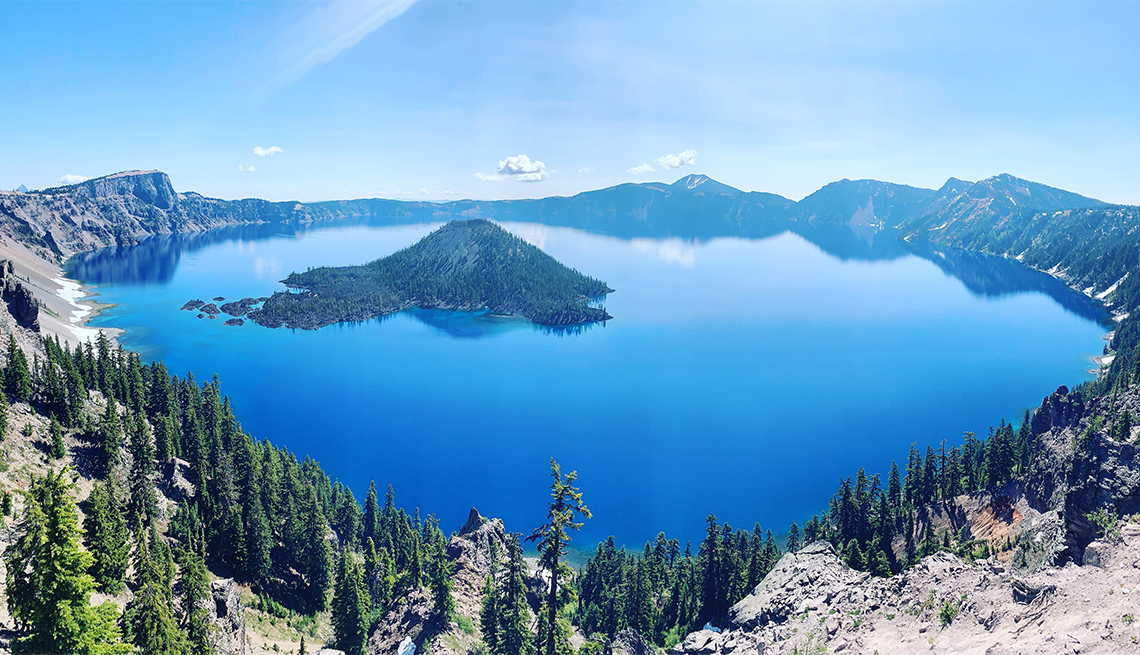
For something slightly more ambitious, hike Watchman Peak. The trail is about 1.6 miles round trip and climbs roughly 420 feet. From the fire lookout at the top, you get a sweeping view of Wizard Island and the entire caldera.
Garfield Peak is another stunner, but it’s steeper—about 3.4 miles round trip with 1,010 feet of gain. Start early, bring water, and remember that altitude is real. Your lungs will remind you.
Get on the Water—Respectfully
The only legal way down to the lake’s edge is the Cleetwood Cove Trail. It’s 1.1 miles each way and drops about 700 feet. Going down feels easy; coming back up is where you meet your quads.
 The 10 Best Things to Do in Crater Lake National Park • Small Town
At the bottom, some people swim, though the water is shockingly cold even in August. Because Crater Lake is sacred to the Klamath Tribes, many visitors choose to skip swimming out of respect. You can still dip a hand in, sit on the rocks, and soak up the view.
Boat tours run in summer, including a ride to Wizard Island. You can hike the cinder cone once you’re there. It’s a bucket-list moment, but tickets sell out fast, so book ahead.
Don’t Miss the Pinnacles
On the park’s southeast side, the Pinnacles are tall volcanic spires that look like sandcastles left by giants. The trail is short and mostly flat. It’s a nice break from the lake’s overwhelming blue.
Nearby, Plaikni Falls is an easy 2.2-mile round trip. The name honors the Klamath Tribes, and the walk winds through a quiet forest. It’s a good reminder that this park is more than one big hole in the ground.
Look Up After Dark
Crater Lake is an International Dark Sky Park. On clear nights, the Milky Way shows up like it’s trying to prove a point. Rangers often host star programs in summer, and they’re worth planning around.
Bring a red flashlight, a warm layer, and patience. Your eyes need about 20 minutes to adjust to the dark. Then the sky just keeps going.
Sleep, Eat, and Caffeinate
Crater Lake Lodge is the classic stay, a 1915 lodge perched near the rim. It’s part national park experience, part time capsule. Rooms book months ahead, so set a reminder.
 Guide to Visiting Crater Lake National Park
Mazama Village offers more practical cabins and camping. There’s a gas station, a store, and a restaurant, but hours can be limited. Pack snacks and water like you’re heading into a desert, even though you’re in Oregon.
Practical Tips for a Smooth Trip
First, check the park website for closures. Snow, roadwork, and wildfires can change plans fast. Second, fill your gas tank before you arrive; services are scarce.
Third, dress in layers. Mornings can be chilly, afternoons sunny, and evenings cold again. A rain jacket and sturdy shoes are never wasted here.
Fourth, respect wildlife and stay on trails. This isn’t a petting zoo; it’s a wild landscape. Also, altitude can make you feel sluggish, so take it easy on your first day.
A Little Reflection
Crater Lake has a way of shrinking your problems. Standing on the rim, you feel small in the best possible sense. The lake took thousands of years to become this blue, and it isn’t in a hurry.
Maybe that’s the souvenir worth bringing home. Not a fridge magnet, but a slower pace. A reminder that some things—patience, presence, a deep breath—can’t be rushed.
So go, drive the rim, hike a trail, and let the cold air wake you up. Then carry a little of that calm back to your everyday life. The lake will still be there, being impossibly blue.
