Do I Need To File 1095 B With My Taxes

Okay, deep breath. The Form 1095-B is not a pop quiz, a bill, or a secret message from the IRS. It’s basically a receipt that says, “Yep, this person had health coverage for t...

Okay, deep breath. The Form 1095-B is not a pop quiz, a bill, or a secret message from the IRS. It’s basically a receipt that says, “Yep, this person had health coverage for these months.”
And here’s the punchline: most people do not need to file it with their taxes. Keep it with your tax records. It can stay out of your return.
But “most” is doing heavy lifting. So let’s unpack Form 1095-B without falling asleep.
Must Read
What Exactly Is Form 1095-B?
Form 1095-B is called Health Coverage. It comes from an insurance company, a government program, or sometimes a self-insured employer. It shows who had minimum essential coverage, and for which months.
Think of it as a report card for your health insurance. It doesn’t demand money or calculate a penalty. It just reports facts.
The form might list you, your spouse, and your kids. It might show all twelve months, or only a few. Life happens, and coverage changes.
The Short Answer: No, You Usually Don’t File It
The IRS has said it plainly: you do not need to attach Form 1095-B to your federal tax return. You don’t need to mail it. You don’t need to upload it.
This surprises people. For years, health coverage paperwork felt like a big deal at tax time. The federal individual mandate penalty dropped to zero starting in 2019, so the form became more of a courtesy notice than a tax ticket.
Still, don’t burn it in a dramatic bonfire. Keep it with your tax documents in case someone asks later. The IRS may not need it, but your future self might.
Why Did You Get One, Then?
Because paperwork loves an audience. Insurers and government agencies may be required to send Form 1095-B to tell you and the IRS that you had qualifying coverage.
It’s like a receipt for a sandwich you already ate. The receipt just confirms the sandwich existed.
 1095b Form 2018
Also, some states run their own mandates. They might want proof. That’s where this mild-mannered form becomes useful.
The 1095 Family Reunion
Form 1095-B has relatives. They are not interchangeable, and mixing them up is a classic tax-time party foul.
Form 1095-A comes from the Health Insurance Marketplace. If you used premium tax credits, you probably need it to reconcile them on Form 8962.
Form 1095-C comes from large employers. It reports offers of health coverage. It matters for some employer tax rules, though many people still don’t file it.
Form 1095-B is the low-key cousin. It says, “Coverage happened.” That’s mostly it.
When Form 1095-B Actually Matters
If you live in a state with its own individual mandate, you may need to show you had coverage. California, Massachusetts, New Jersey, Rhode Island, Vermont, and D.C. have had mandates or reporting rules. Check your state’s tax instructions, because they change.
If you’re using tax software, it might ask whether you had health coverage. You can answer yes without attaching the form. The software is just checking boxes, not demanding a paper trophy.
If you’re claiming an exemption or dealing with a coverage gap, a tax pro can help. That’s especially true if you moved, changed jobs, or bounced between plans.
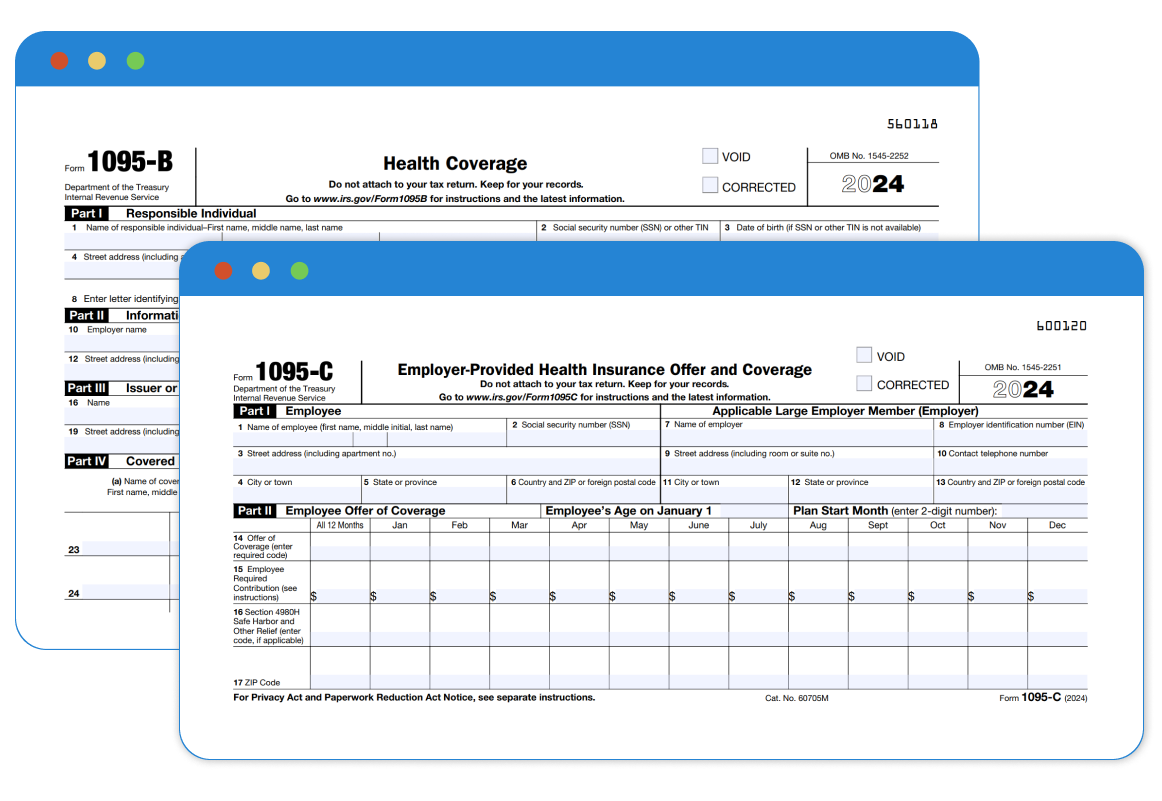 How To File 1095 B Electronically
What Should You Do With It?
Make a folder called “Tax Stuff” and drop the 1095-B inside. Feel wildly organized.
If you receive multiple 1095-B forms, that’s normal. Maybe you had two insurers, moved states, or had coverage from more than one source.
If it never arrives, don’t panic. Contact your insurer if you want a copy. But your federal return probably won’t stall.
Quirky Details Worth Knowing
The form can arrive late. Sometimes it shows up in February. Sometimes it wanders in like a confused houseguest in March.
It may include months you forgot about—that gym-class injury, that brief Medicaid stint, that job change. The form remembers.
It is not a bill, a penalty, or a coupon for free X-rays. It’s just information.
Bottom Line
For most people, the answer is simple: you do not file Form 1095-B with your federal taxes. Keep it for your records, answer your tax software’s questions, and move on.
But if your state has a mandate, or your tax situation is delightfully weird, double-check. A little curiosity now can save a headache later.
So go ahead and file your return. Let Form 1095-B chill in the folder. It’s not the star of your tax story—just a reliable supporting character.
