How Do They Make Bulls Buck In A Rodeo

A bucking bull doesn’t wake up on rodeo day and decide to be difficult. He’s a finely tuned athlete with a job to do. The cowboy on his back is part of the equation, but he’s...

A bucking bull doesn’t wake up on rodeo day and decide to be difficult. He’s a finely tuned athlete with a job to do. The cowboy on his back is part of the equation, but he’s not the whole story.
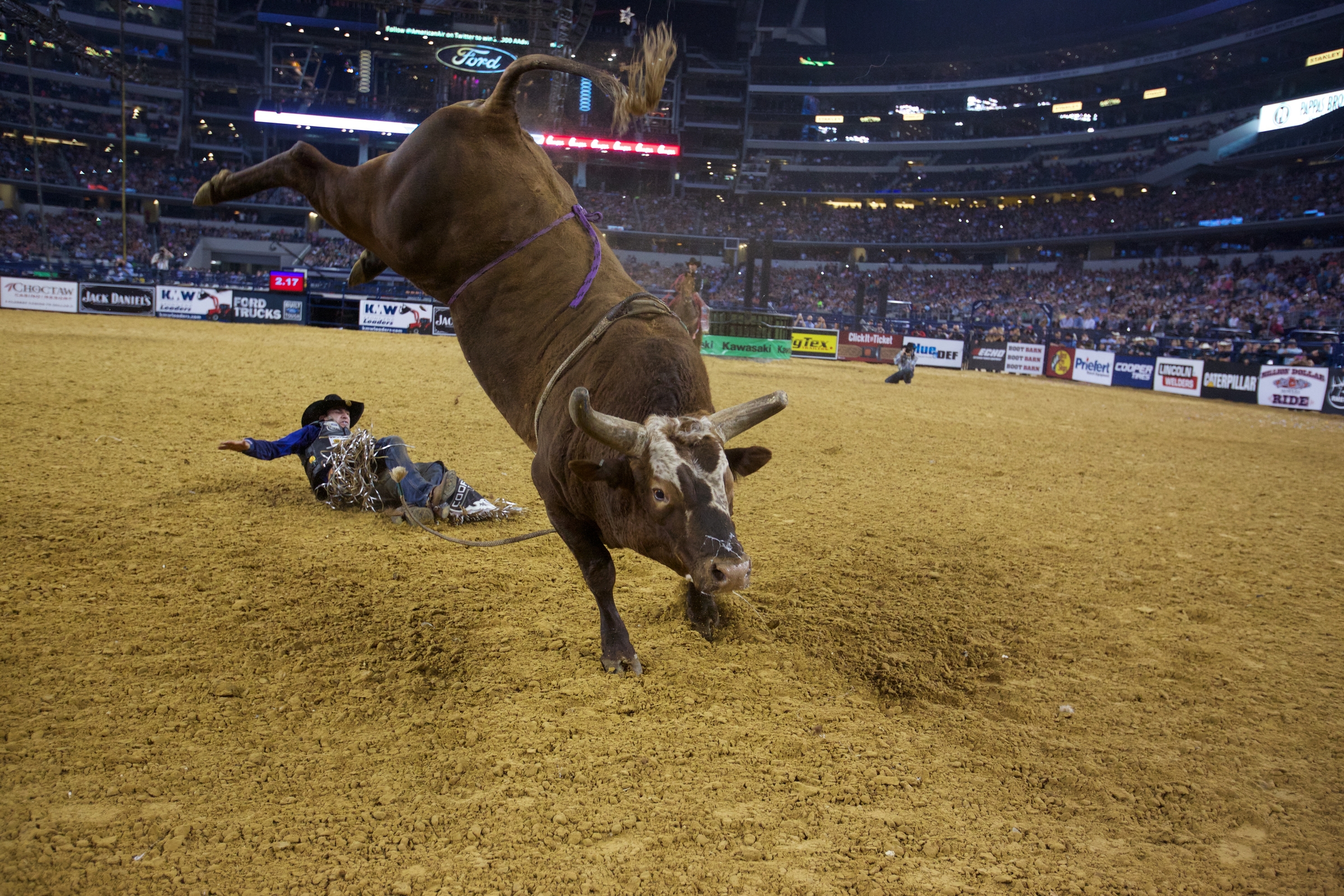
So how do they make bulls buck? The honest answer: they mostly don’t. They select, train, and cue animals that already love to kick, twist, and launch.
The Buck Is Already in the Blood
Bucking bulls are bred for the sport, much like racehorses are bred for speed. Stock contractors study bloodlines, athleticism, and attitude. A good prospect has a strong hind end, a flexible spine, and a stubborn streak.
Must Read
These bulls aren’t raised in a dark shed with angry music playing. They live on ranches, eat quality feed, and get vet care. Many of them buck in open pastures just for fun.
Fun fact: a bull can buck eight to ten times in eight seconds. Some can jump four feet off the ground and kick even higher. Bulls also seem to prefer spinning one way, like being left- or right-handed.
The Flank Strap: The Most Misunderstood Piece of Gear
Here’s the gear everyone asks about: the flank strap. It’s a soft rope or leather strap placed around the bull’s lower belly, near the flank. It is not tied around the genitals.
The strap creates mild pressure and irritation, which encourages the bull to kick out and buck harder. Think of it like a loose belt that makes you want to stretch. It’s not painless, but it’s not a torture device either.
Rodeo rules require quick-release buckles and fleece lining in many associations. The strap is removed as soon as the ride ends. Veterinarians and judges watch for signs of distress.
The Rider Adds Fuel, Not the Fire
The rider’s weight, balance, and spurring motion can influence the bull’s rhythm. A cowboy who leans too far forward gives the bull an advantage. A cowboy who spurs correctly can make the ride look wilder and score higher.
 Rodeo Horses Why Do They Buck
But the bull is the star. He decides when to spin, when to fake left, and when to drop his shoulder. The rider is basically a passenger with a very specific skill set.
Spurs in bull riding are not sharp weapons. They have dull rowels and are used for grip and encouragement. The flank strap and rider together might add spice, but the fire is already burning.
What About the Chute and the Crowd?
The chute is a tight metal box that holds the bull before the gate opens. It’s not comfortable, but it keeps everyone safe. When the gate swings, the noise and motion can amp up the bull’s energy.
Still, the crowd doesn’t make a bull buck. A calm bull in a quiet arena can still explode. A hyped bull in a loud arena might do the same. The setting is a stage cue, not a switch.
How the Ride Gets Scored
A qualified ride lasts eight seconds. Two judges score both the rider and the bull. The rider is judged on control, body position, and spurring. The bull is judged on difficulty, spin, kick, and intensity.
Scores are out of 100 total. A bull that bucks flat and easy might score 38. A rank bull that makes the cowboy look like a rag doll can score 46 or higher.
Famous bulls become celebrities in their own right. Bodacious, Bushwacker, and Little Yellow Jacket are names rodeo fans say with respect. Some bulls have agents, sponsors, and retirement plans.
 How To Ride A Bucking Bull
Practical Tips for Watching Like a Pro
Watch the bull’s shoulders and hips, not just the cowboy. The bull’s first move often tells you where the ride is going. If he drops his head and spins away from the rider’s hand, trouble is coming.
Look for the flank strap, but don’t assume abuse. Check the rules of the association you’re watching. Good rodeos have vets on site and strict welfare standards.
If you ever get close to a bucking bull, stay quiet and calm. They are powerful animals, not pets. Respect the fence, respect the stock contractor, and keep your phone behind the barrier.
A good rule of thumb: cheer for the athlete, not just the cowboy. The bull isn’t the villain. He’s half the competition.
A Small Reflection for the Rest of Us
Bulls don’t fight their nature. They buck because it’s who they are. We spend a lot of time trying to smooth out our own edges.
Maybe the lesson isn’t to stop bucking. Maybe it’s to find the right arena, the right people, and the right gear. Energy isn’t bad; it just needs a direction.
So next time you feel a little wild, don’t apologize. Put on your own flank strap, metaphorically speaking. Then ride it out for eight seconds.
