601 Lexington Avenue New York New York

Last winter, I stood near Lexington and 54th, craning my neck like a tourist who’d lost a contact lens. A guy next to me asked why the roof looked like someone had taken a gia...
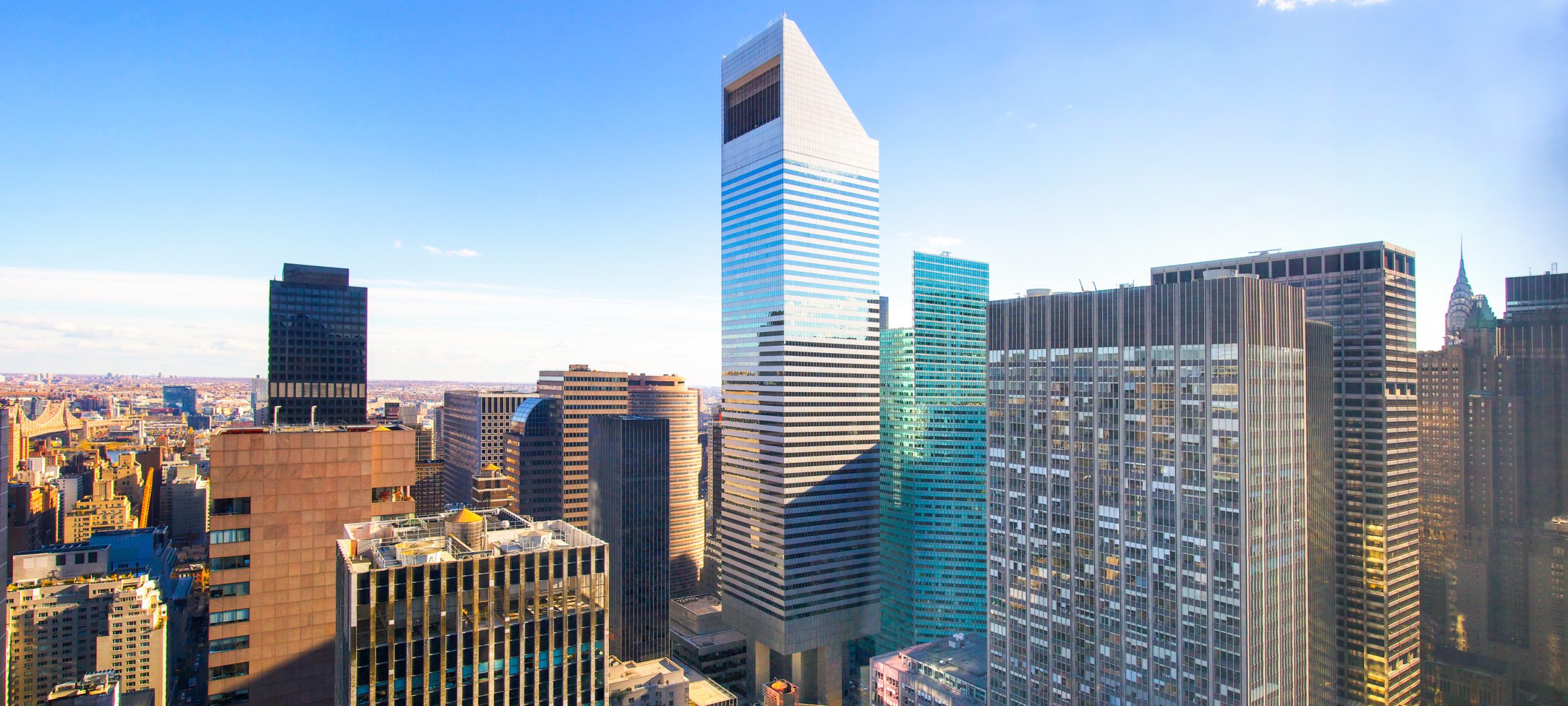
Last winter, I stood near Lexington and 54th, craning my neck like a tourist who’d lost a contact lens. A guy next to me asked why the roof looked like someone had taken a giant knife to a wedding cake. I told him it was supposed to be solar panels, but the tech wasn’t ready.
He nodded, took a photo, and walked off. What I didn’t tell him—because I’m dramatic—is that this building almost became a disaster movie. That slanted giant is 601 Lexington Avenue, better known as the Citigroup Center.
The official address is 601 Lexington Avenue, New York, New York—though locals still call it the Citigroup Center. It sits between 53rd and 54th Streets, right in the heart of Midtown. You can’t miss it, mostly because it looks like it’s about to slide off its foundation.
Must Read
It’s one of those New York landmarks you’ve probably seen in a movie or a skyline photo without knowing its name. But its story is way more interesting than its pretty roof.
A Church, a Deal, and a Building on Stilts
Back in the late 1960s, St. Peter’s Lutheran Church owned a prime corner lot. The congregation needed a new sanctuary and, frankly, money. So they made a deal: a developer could build a skyscraper on the land, but the church had to stay.
Architect Hugh Stubbins and structural engineer William LeMessurier got the job. Their solution was bold, weird, and brilliant. They put the tower on four massive columns—not at the corners, but at the middle of each side.
The church would sit tucked under one corner, like a tiny wooden crate beneath a steel giant. That meant huge cantilevers. The building hangs over the church and the sidewalk with nothing underneath.
If you’ve ever walked past and felt a little dizzy, you’re not alone. It’s engineering as theater.
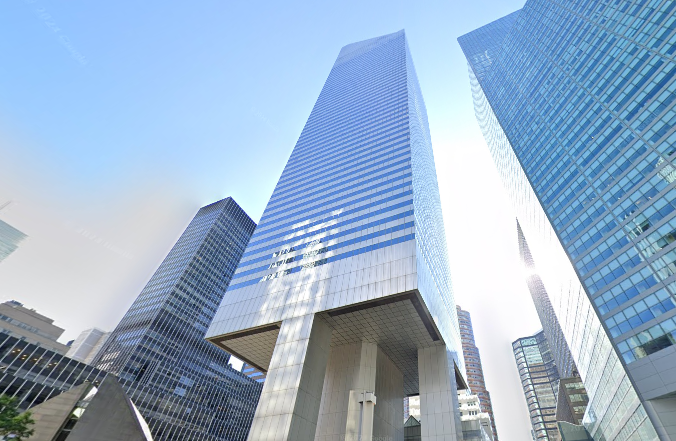 601 Lexington Avenue Office Space (Citigroup Center): All to Know
The Roof That Looks Like a Slide
Then there’s the roof. That 45-degree slant wasn’t just for looks. The original plan was to cover it with solar panels—very futuristic for the 1970s.
But the technology wasn’t practical yet, so the slope stayed, and the panels never came. At 915 feet tall, the building also needed to handle wind. So LeMessurier added a tuned mass damper: a 400-ton concrete block on the roof that slides on oil to counteract sway.
Think of it as a giant paperweight that moves so you don’t have to. Next time you’re inside during a windy day, if you feel a gentle sway, don’t panic. That’s just the building doing its yoga.
The Secret That Almost Brought It Down
Here’s where the story turns into a thriller. In 1978, a Princeton engineering student called LeMessurier with a question about wind loads. That call made him recheck his math.
What he found was terrifying. The building’s diagonal braces were vulnerable to quartering winds—winds hitting the corners at 45 degrees. The original design used welded joints, but the contractor had substituted bolted joints to save money.
In a strong storm, those joints could fail. The building could topple. LeMessurier alerted Citicorp.
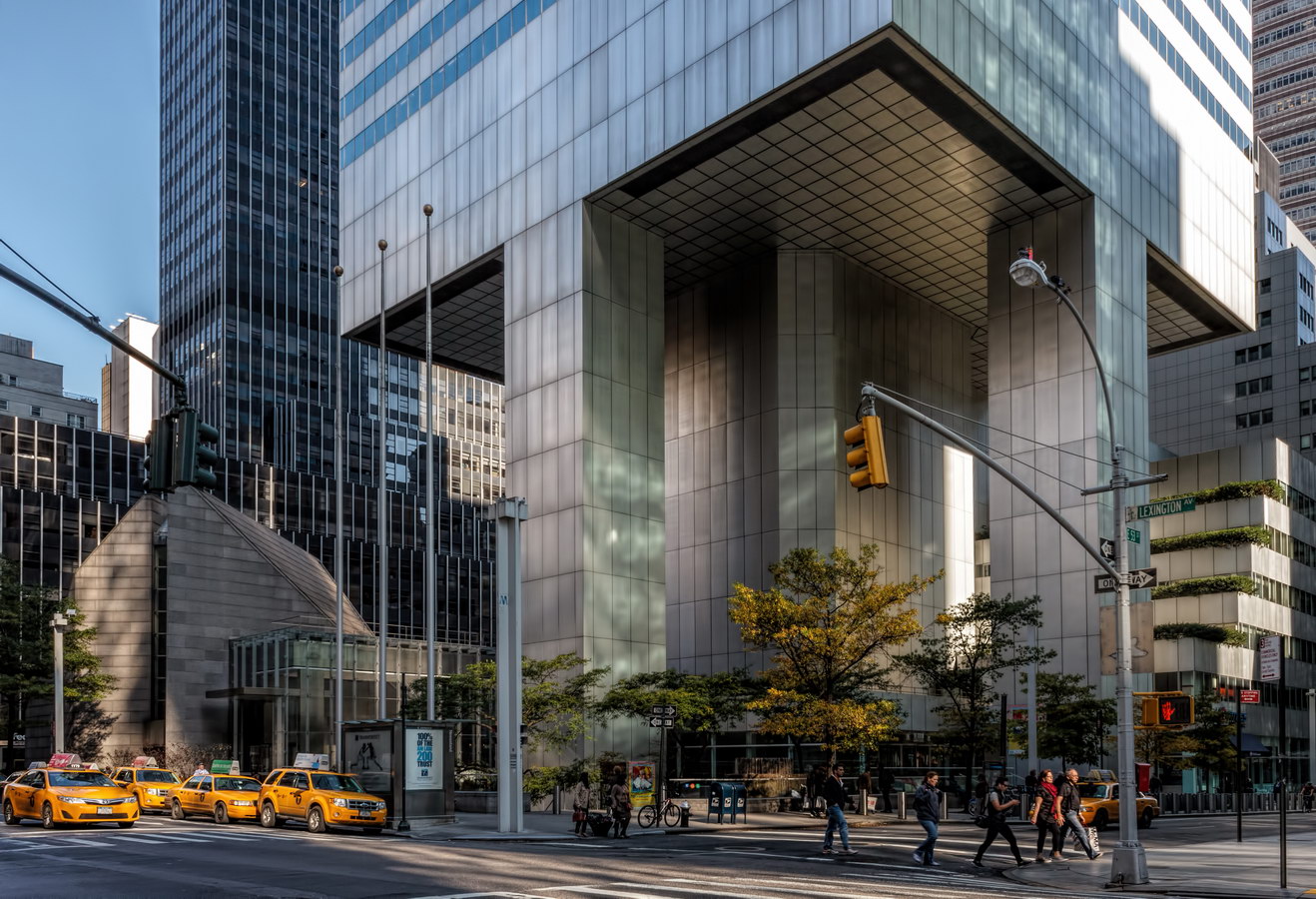 Citigroup Center | NewYorkitecture
They didn’t evacuate or issue a press release. Instead, they secretly welded two-inch steel plates over the joints, working at night while employees kept working during the day. A hurricane never hit, and the fix held.
The public didn’t learn the full story until 1995. Imagine being the engineer who realizes your masterpiece might fall over. Then imagine telling your client.
Then imagine fixing it without anyone noticing. That’s a plot for a movie, not a Tuesday at the office.
What It Means Today
Today, 601 Lexington Avenue is still a working building. Offices, shops, and St. Peter’s Church all share the address. The slanted roof still catches the light, and the four columns still hold up the sky.
It’s a reminder that even genius designs have flaws. And that fixing them quietly isn’t always the best look. But the building stands, and that’s what matters.
So if you ever find yourself near 53rd and Lexington, look up. You’re seeing a near-miss, a clever fix, and a church that refused to move. Not bad for a building that almost became a headline for all the wrong reasons.
