How Long Does Meat Last In The Freezer

You know that feeling when you open the freezer and a frostbitten package of something vaguely meat-shaped stares back? It could be chili from 2021 or a pork chop you swore yo...
You know that feeling when you open the freezer and a frostbitten package of something vaguely meat-shaped stares back? It could be chili from 2021 or a pork chop you swore you’d cook “next week.” The freezer is a time machine, except it mostly sends food into the past and makes you ask, what was I thinking?
So, how long does meat actually last in there? The short answer: longer than you’d trust your memory, but not forever. The long answer depends on the meat, the packaging, and whether your freezer is doing its one job.
First, the Cold, Hard Truth
A freezer set to 0°F (-18°C) doesn’t kill bacteria; it just pauses them. They’re not dead, just hibernating like a bear that gave up on summer. Once meat thaws, those little microbes wake up and pick up where they left off.
Must Read
That means freezer time is about quality, not just safety. A steak from two years ago probably won’t poison you, but it might taste like cardboard with a side of freezer burn. Nobody wants to chew on a sad, icy memory.
Raw Meat: The Guidelines
Ground Meat
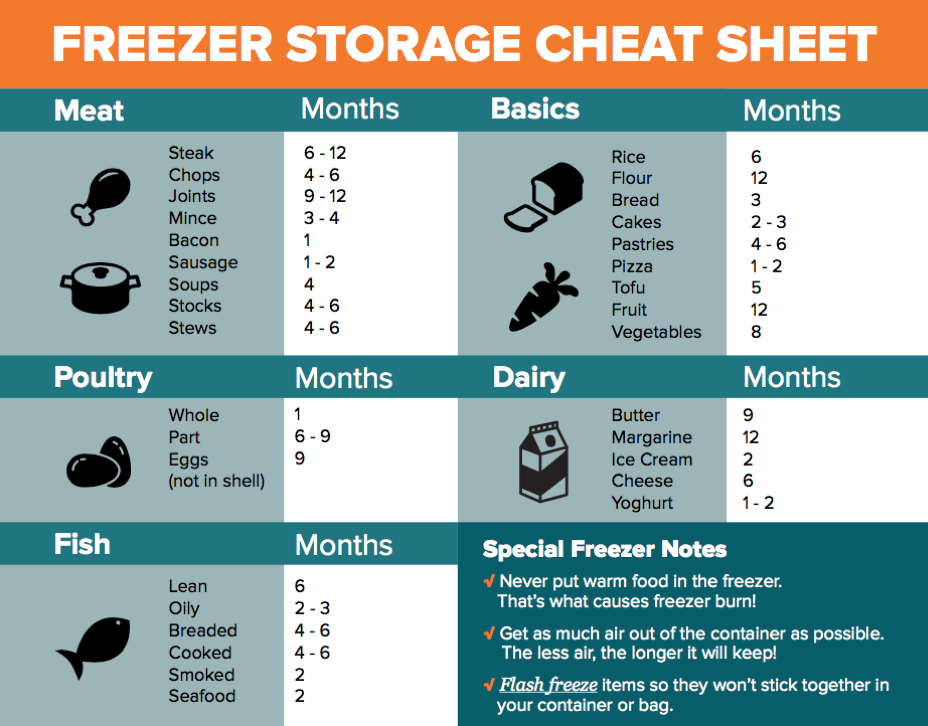
Ground meats—beef, pork, turkey, chicken—are best within 3 to 4 months. Grinding mixes air and bacteria all through the meat, like folding glitter into cookie dough. Think of ground meat as the overachiever that peaks early.
Steaks, Chops, and Roasts
Steaks, chops, and roasts get more time: 4 to 12 months for beef, pork, and lamb. Poultry usually lasts 9 to 12 months, assuming good packaging and a consistently cold freezer.
Bacon and Sausage
Bacon and sausage are the mayflies of the freezer world. Bacon is best within 1 month; fresh sausage likes 1 to 2 months. After that, they’re safe but start tasting like a faded memory.
Cooked Meat and Leftovers
Cooked meat has already been through the heat, so texture gets weird faster. Soups, stews, casseroles, and cooked roasts are usually best within 2 to 3 months.
You can push it longer, sure. But thawed three-month-old chicken curry often turns into a watery, mushy puddle. It’s like reheating a memory and discovering the memory was mostly water.
 How Long Can Pork Sausage Stay In The Freezer? The Complete Guide
A frozen brick of chili is still chili, but it won’t win awards.
Label everything. A Sharpie and masking tape are cheaper than a game of Guess the Meat at dinnertime.
Freezer Burn: Not a Crime, Just a Bummer
Freezer burn looks like pale, leathery patches and tastes like disappointment. It happens when air touches the meat and dries it out, like leaving your hands out in winter without gloves. The meat is still safe, but the texture takes a hit.
Cut off the burned bits before cooking, or hide them in a spicy chili. That’s not cheating; that’s culinary camouflage.
Wrap It Like You Mean It
Air is the enemy. Wrap meat tightly in plastic wrap, then foil, then a freezer bag. Or use a vacuum sealer, which is basically a tiny spacesuit for food.
Don’t just toss a store package in the freezer and hope for the best. Those flimsy trays and films leak air like a gossip leaking secrets.
 How Long Does Meat Last in the Fridge? | Taste of Home
Squeeze out air, label the date, and freeze flat if you can. Flat packages stack better and thaw faster, which is a small mercy on a busy Tuesday.
Thawing and Refreezing
Never thaw meat on the counter. That’s a recipe for bacterial party time. Thaw it in the fridge, in cold water, or in the microwave if you’re cooking it immediately.
And once thawed, don’t refreeze raw meat unless you cook it first. Refreezing raw meat is like canceling a vacation, then trying to rebook the exact same mood. It just doesn’t work right.
The Takeaway, Minus the Lecture
Meat lasts roughly 1 to 12 months in the freezer, depending on what it is. Ground meat and bacon are short-timers; steaks and roasts can hang around longer. Cooked leftovers are best within a few months.
Wrap it tight, label it clearly, and keep the freezer at 0°F. Do that, and you’ll avoid the sad archaeology dig that happens when dinner turns into a frozen mystery.
When in doubt, trust your nose and your calendar.
Now go check your freezer. If something growls back, it’s probably time to let it go.
