Where Is The Round Rock In Round Rock

Last summer, I stopped for coffee in Round Rock and asked the barista a simple question: Where is the round rock? She laughed, pointed out the window, and said, “Probably that...
Last summer, I stopped for coffee in Round Rock and asked the barista a simple question: Where is the round rock? She laughed, pointed out the window, and said, “Probably that one.” A landscaper’s boulder sat in a mulch bed beside the drive-thru, looking about as historic as a parking lot.
I nodded, because honestly, that’s the vibe. The city has a name that sounds like a riddle, and most of us drive past the answer without noticing. So let’s go find the actual rock—or at least the spot where history parked it.
The Rock That Named a City
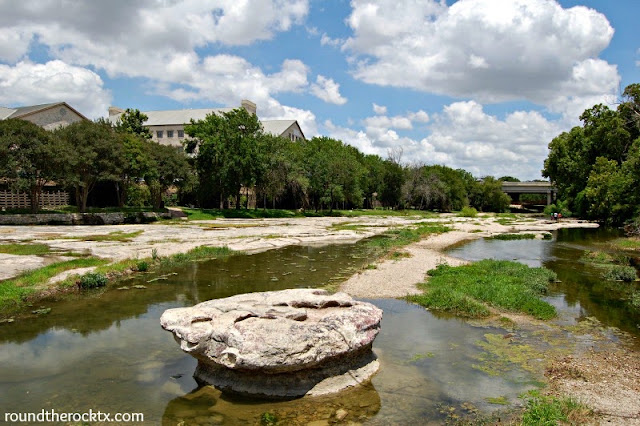
Round Rock, Texas, isn’t named after a shape. It’s named after a specific limestone rock in Brushy Creek. For years, it served as a landmark on the Chisholm Trail, a low-water crossing where cattle, wagons, and very tired people could find their way.
Must Read
Imagine the scene: dust, longhorns, questionable weather, and one round rock doing the work of a modern highway sign. It wasn’t glamorous, but it was reliable. That’s more than you can say for most GPS apps.
Long before the city had streets or a slogan, people used that crossing. Native peoples, settlers, and cattle drivers all needed a marker in a landscape that didn’t exactly come with street signs. The rock was round enough, big enough, and sitting in the right place at the right time.
By the 1850s, the community around it took the name. So yes, the city is basically a rock’s plus-one. In 1854, a post office called Round Rock made it official, and the name stuck like mud on a boot.
So Where Is It Now?
Here’s where things get slightly annoying. The original rock isn’t sitting on a velvet cushion in a museum. It’s also not towering over downtown like a Texas Stonehenge. The namesake is a humble piece of limestone, and its story involves moving, breaking, and a fair amount of local legend.
The best place to see the official rock—or the surviving portion of it—is in a small park at 200 S. Mays St. in downtown Round Rock. It’s just south of Main Street, near the library and a short walk from Round Rock Donuts. You know, priorities.
 The Last American Highway - Authentic Texas
There, a rounded boulder sits with a plaque, looking like it’s waiting for someone to ask, “Is that it?” I did. It is. Or at least, it’s the city’s chosen representative from the original rock family.
But Wait—Wasn’t It in the Creek?
Yes. The original round rock sat in Brushy Creek, near the old Chisholm Trail crossing. That area is still around, though the creek has seen more concrete, traffic, and development than a cow could have imagined.
Some accounts say the rock was moved, damaged, or partially destroyed over the years. Others say a chunk was preserved and placed downtown as a monument. Either way, the creek is the spiritual address. The downtown rock is the accessible one.
If you go looking for it in the wild, don’t expect a neon arrow. Brushy Creek doesn’t label its historical cameos. You’ll find trails, water, and plenty of places to wonder if that random lump is the lump.
Why the Confusion?
Because Round Rock is a city, a name, and a rock. When a place is named after one object, people assume the object must be obvious. But towns grow, roads move, and rocks don’t exactly send press releases.
 Attractions in Round Rock | Tour Texas
Also, “round” is a low bar. A lot of rocks are roundish. Once you start noticing them, every landscaping boulder looks guilty. It’s a fun way to ruin a walk for yourself.
The city has leaned into the mystery, though. You’ll find the name on signs, businesses, and plenty of local pride. The rock itself remains modest, which feels very Texas in a quiet, not-at-all-modest way.
The Short Answer
If you want the quick version: the official Round Rock is in a small park at 200 S. Mays St. in downtown Round Rock. The original landmark was in Brushy Creek near the Chisholm Trail crossing. Both answers are true, depending on whether you want the monument or the history.
So next time someone asks where the round rock is, don’t point at the nearest decorative boulder. Unless you’re feeling ironic. Then absolutely do that.
Just know that the real answer is a little creek, a little plaque, and a lot of local stubbornness. It’s not a grand monument. It’s better—it’s a rock that accidentally founded a city.
