How Much Is An Exterminator For Fleas

A flea treatment quote can feel like a plot twist in a horror movie. One day your living room is a cozy sanctuary; the next, your ankles are an all-you-can-eat buffet. So, how...

A flea treatment quote can feel like a plot twist in a horror movie. One day your living room is a cozy sanctuary; the next, your ankles are an all-you-can-eat buffet. So, how much does an exterminator charge to evict these tiny vampires?
The Real Numbers, Give or Take
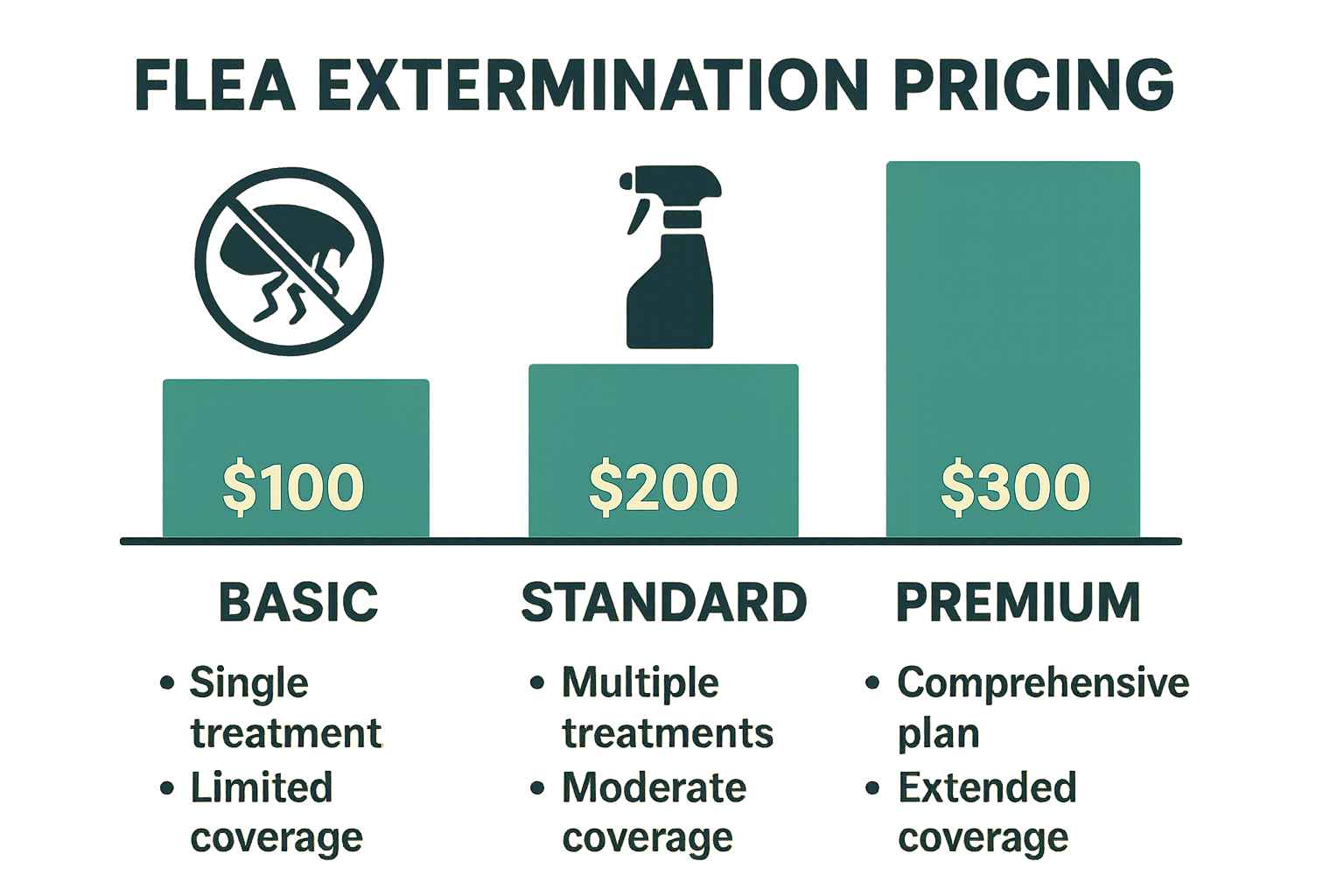
For a typical home, professional flea treatment runs from $100 to $300 for the first visit. If the infestation is stubborn, expect follow-up treatments at $50 to $150 each. In high-cost cities or for large properties, the total can climb toward $400 or more.
Many companies charge a flat fee based on square footage. Others inspect first, then quote based on severity and how many rooms need attention. A single hot spot might cost less, while a whole-house situation with a yard and multiple pets will sit at the higher end.
Must Read
Some pest control pros bundle fleas with general pest services. That can be a bargain if you also battle ants or roaches. Still, ask exactly what the flea plan includes, because “general pest” often means a different chemical mix and schedule.
Quotes can also vary by season. Flea populations often explode in warm, humid months, so summer and early fall may bring higher demand and higher prices. In colder months, the problem may be smaller, but indoor heating can keep fleas cozy all year long.
What Moves the Price
Size and Severity
Square footage matters, but so does the life cycle. Flea eggs, larvae, pupae, and adults hide in carpets, cracks, and pet bedding. A light infestation may need one treatment; a heavy one usually needs two or three spaced about two weeks apart.
Homes with wall-to-wall carpeting tend to cost more than those with hard floors. Carpets are basically five-star hotels for fleas. They offer warmth, cover, and endless organic debris for larvae to snack on.
Outdoor spaces add another layer. A flea treatment for a yard, kennel, or shaded dog run can add $50 to $200 depending on size and access. Fleas love cool, moist shade, so a lush backyard can become a launching pad for indoor invasions.
Pets and Prep
You will likely pay extra if the exterminator treats outdoor areas like yards or kennels. Pet count matters too, not because the pro charges per whisker, but because more pets mean more flea traffic. Some companies also require that pets be treated by a vet before or during service.
Preparation is where homeowners can save money. Vacuuming before the visit, washing pet bedding in hot water, and clearing clutter helps the treatment reach hiding spots. If you skip prep, you may end up paying for a second round you could have avoided.
 Find a Flea Exterminator Near You in Suwanee, GA: Local Guide Anthem
Think of it like hosting a dinner party: the cleaner the room, the easier the work. Move toys, shoes, and floor cushions out of the way. Vacuum every corner, then seal and toss the bag or empty the canister outside.
Treatment Type
Sprays, foggers, growth regulators, and desiccants all have different price points. An insect growth regulator (IGR) stops fleas from reproducing and is often worth the extra cost. It doesn’t kill adult fleas instantly, but it breaks the cycle so you’re not stuck in a monthly sequel.
Some exterminators use a combination of adulticide and IGR. Others may apply diatomaceous earth or boric acid in cracks. Ask what’s being used and whether it’s pet-safe once dry.
Heat treatments are another option in some markets. They can be effective but usually cost more, sometimes $300 to $800 for a whole home. For a tiny apartment, it may be overkill; for a severe infestation, it can be a fast reset.
DIY vs. Pro
DIY flea bombs and sprays can cost $20 to $80, which sounds tempting. But fleas are patient little survivors, and pupae can wait out a fogger like a villain in a bunker. If you miss a stage, the infestation rebounds and you’ve spent money on a temporary truce.
Professional treatment usually includes a guarantee. Many companies offer a free re-treatment if fleas return within a certain window, often 14 to 30 days. That guarantee can be worth more than the initial savings of a DIY kit.
That said, DIY makes sense for prevention or a very small, caught-early problem. Use vet-approved flea prevention on every pet, vacuum like it’s a competitive sport, and wash bedding weekly. If you still see bites after two weeks, call a pro.
 Flea Exterminator Cost: Typical Price Range & Cost Drivers
Practical Tips Before You Pay
Get at least three quotes and ask what’s included. A low price may cover only one room or one treatment. A higher price may include follow-ups, yard treatment, and a warranty.
Ask about licensing, insurance, and pet safety. The best exterminators explain the plan without turning your kitchen into a chemistry lecture. They also tell you how long to stay off treated carpets and when to vacuum again.
Treat your pets on the same day as the home, using a product recommended by your veterinarian. Fleas don’t respect property lines, and they will happily hitch a ride back inside. Consistency is the real secret weapon.
Keep a calendar. Follow-up visits often land two to three weeks after the first treatment, timed to catch newly hatched fleas. Missing that appointment is like leaving a Marvel post-credits scene before the real ending.
A Tiny Fact Worth Knowing
Fleas can jump roughly 150 times their own body length. That’s like a human clearing a football field in one leap. They can also lay 40 to 50 eggs per day, which is why one flea quickly becomes a block party.
Pupae are the toughest stage. They can stay dormant for months, waiting for vibrations, warmth, and carbon dioxide to signal a host. This is why follow-up treatments matter more than any single spray.
And yes, fleas have been annoying humans for thousands of years. They’ve been found on Egyptian mummies and mentioned in medieval texts. History’s tiniest troublemakers, still crashing modern living rooms.
Final Thought
Paying an exterminator isn’t just about killing bugs; it’s about reclaiming your home’s easy rhythm. The cost ranges widely, but the peace of mind has a price too. Sometimes the smartest luxury is walking barefoot through your own hallway without flinching.
