How Much Is One Gram Of Diamond Worth

What weighs one gram? A paperclip, a pinch of salt, a single raindrop. Now picture that tiny bit of weight as a diamond, and suddenly the question gets interesting. So, how mu...

What weighs one gram? A paperclip, a pinch of salt, a single raindrop. Now picture that tiny bit of weight as a diamond, and suddenly the question gets interesting.
So, how much is one gram of diamond worth? The honest answer is: it depends—a lot. And sometimes, not as much as you’d guess.
First, Let’s Talk Carats
Diamonds are usually sold in carats, not grams. One gram equals five carats. That means a one-gram diamond is the same weight as a five-carat stone.
Must Read
But here’s the twist: you can’t just multiply the price of a one-carat diamond by five. A five-carat diamond is rarer than five separate one-carat diamonds. Rarity often pushes the price up fast.
That’s why two one-gram diamonds may not cost the same. Size is easy to measure, but value is a slippery thing.
Not All Diamonds Are Sparkly
Most diamonds mined on Earth never see a jewelry store. They are industrial diamonds, used for cutting, grinding, and drilling. They look like crushed gravel, not engagement rings.
Industrial diamond grit is surprisingly cheap. Depending on quality and quantity, it might cost a few dollars per carat—or even less. A gram could be worth less than a fancy latte.
That’s the weird part. The same material can be a cheap abrasive or a luxury symbol. The difference is in the clarity, color, cut, and marketing magic.
The Four Cs Change Everything
For gem-quality diamonds, value comes down to the Four Cs: cut, color, clarity, and carat. A flawless, colorless diamond with an excellent cut can be breathtaking. A cloudy, brownish diamond with a poor cut can be… meh.
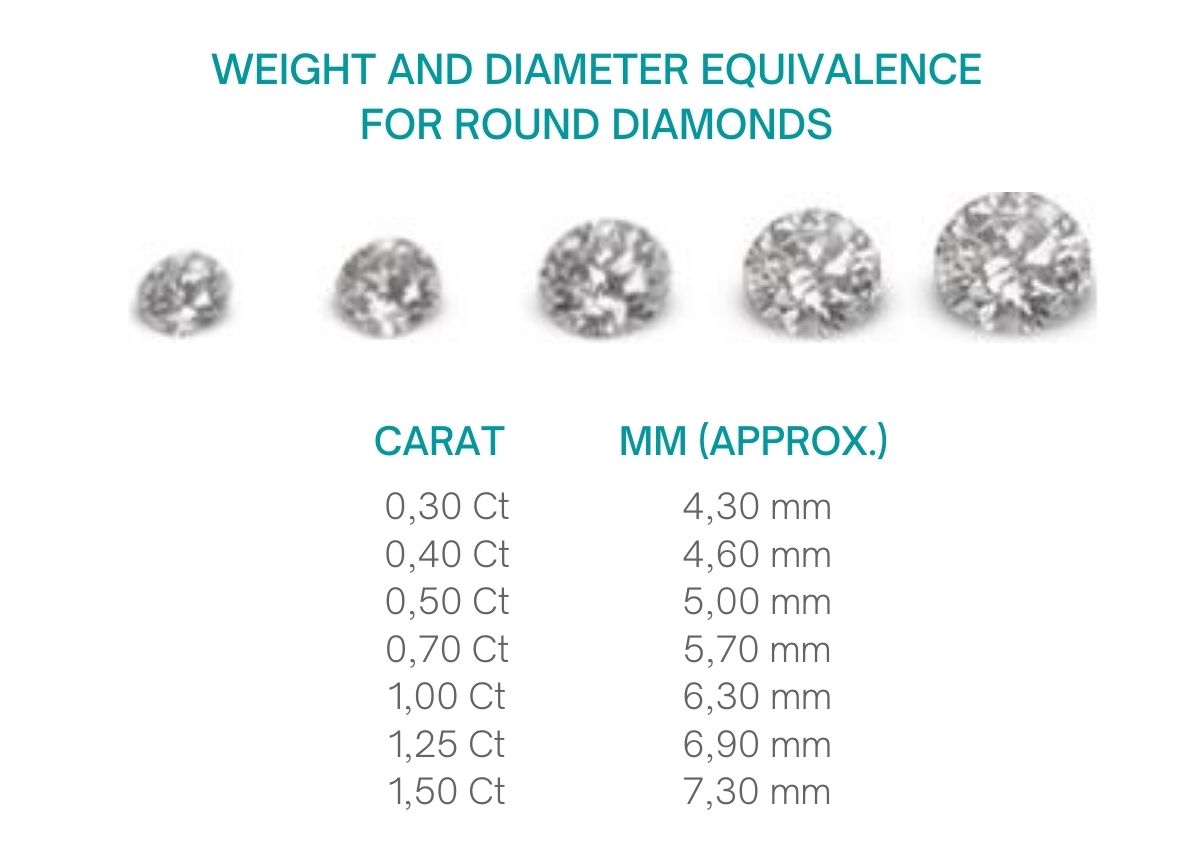 How Much Is A 1.50 Carat Diamond Worth
A five-carat natural diamond of high quality might sell for $50,000 to $300,000 or more. Top-tier stones can climb into the millions. A lower-quality five-carat stone might go for $10,000 or less.
And that’s before retail markup, since a jewelry store may charge significantly more than a wholesaler. Resale value is usually much lower, unless you have something museum-worthy.
What About Lab-Grown Diamonds?
Lab-grown diamonds are real diamonds. They have the same carbon structure and sparkle. But they are created in weeks, not billions of years.
Because they aren’t rare in the same way, lab-grown diamonds cost far less. A one-gram lab-grown diamond might run a few thousand dollars. A natural diamond of similar size and quality could cost many times that.
So if someone asks about “one gram of diamond,” the answer changes depending on whether it came from a mine or a machine.
Rough Estimates, With a Big Asterisk
A Quick Range
Here’s a rough range. Industrial diamond: maybe $5 to $50 per gram. Lab-grown gem diamond: maybe $1,000 to $8,000 per gram.
Natural gem diamond: often $10,000 to $300,000+ per gram. Exceptional natural stones can go far beyond that. Famous diamonds are not priced like ordinary grams.
 Rough Diamond Price List Diamond Prices Chart To Calculate 2025 Value
They are priced like art, history, and ego all wrapped in carbon. So the number isn’t fixed. It’s a moving target based on rarity, beauty, certification, and who’s buying.
Fun Comparisons
Gold usually trades around $70 to $80 per gram. That makes a gem-quality diamond look wildly expensive. But industrial diamond can be cheaper than gold—sometimes even cheaper than silver.
One gram of diamond could be a drill bit. Or it could be a celebrity’s ring. Same weight, completely different world.
For scale, a dollar bill weighs about one gram. Imagine that bill replaced by a diamond—and suddenly your wallet feels very different.
The Bottom Line
There is no single price for one gram of diamond. It can be worth pocket change, a new car, or a mansion, depending on the stone.
If you ever inherit a diamond, don’t just weigh it. Get it checked by a gemologist. The sparkle matters, but the paperwork and quality matter just as much.
After all, a diamond is just carbon. But what a difference a little pressure, time, and desire can make.
