Do Ponytail Palms Need A Lot Of Light

Ponytail palms have a way of making a room feel instantly more put-together. That slender trunk, topped with a fountain of curly green leaves, looks like something a stylish p...

Ponytail palms have a way of making a room feel instantly more put-together. That slender trunk, topped with a fountain of curly green leaves, looks like something a stylish plant parent would show off on Instagram. But here's the thing—despite their elegant appearance, these plants are tougher than they look.
The first surprise for many new owners: the ponytail palm isn't actually a palm. It belongs to the agave family, which explains its love for sunshine and its ability to survive on very little water. In its native Mexico, it basks in bright, unfiltered light for most of the day.
So, do they need a lot of light? Short answer: yes. Long answer: it depends on where the plant is in its life and what kind of light we're talking about.
Must Read
Bright Light Is the Baseline
Think of the ponytail palm as a sun worshipper in a houseplant's body. It wants as much bright, indirect light as you can reasonably give it—ideally six to eight hours a day. A spot near a south- or west-facing window is usually the sweet spot.
That said, "a lot of light" doesn't mean you should shove it against a scorching window in the peak of summer. Direct midday sun can scorch the leaves, leaving them with crispy brown tips. Morning light or filtered afternoon light is gentler and just as effective.
If you've ever seen one of these plants thriving in a bright hotel lobby or a sun-drenched conservatory, you've seen what good light does. The leaves grow longer, the trunk thickens, and the whole thing looks genuinely happy.
What Happens When They Don't Get Enough
Low light won't kill a ponytail palm overnight—these plants are famously forgiving. But it will slow everything down. Growth becomes sluggish, new leaves come in shorter and thinner, and the plant may start leaning toward whatever light source it can find.
Over time, the trunk might even become soft or mushy, which is a sign of trouble. Ironically, that mushiness is often blamed on overwatering, but poor light makes the plant drink less, which makes root rot more likely. Light and water are always a package deal.
Quick signs your plant wants more sun
Leaning stems, pale or yellowing leaves, and a general lack of new growth are the classic clues. If you notice these, try moving the plant closer to a window. You should see a difference within a few weeks.
 Tips and Tricks for Growing a Ponytail Palm Plant | HappySprout
Too Much of a Good Thing
Yes, you can overdo it. A ponytail palm placed in harsh, direct sun—especially right after living in a dim corner—can develop brown, papery patches on its leaves. This is basically a sunburn, and it doesn't heal.
The fix is simple: acclimate gradually. Move the plant a little closer to the light every week or so. Think of it like training for a marathon rather than sprinting straight into the sun.
If you're placing it outdoors for the summer, choose a spot with morning sun and afternoon shade. That gives you the best of both worlds without the crispy edges.
Window Direction, Decoded
South-facing windows deliver the most light in the Northern Hemisphere, which makes them ideal for ponytail palms. East-facing windows offer gentler morning rays and work well too. West-facing windows can be intense in the afternoon, so a sheer curtain helps.
North-facing windows are the trickiest. They provide the least light, so a ponytail palm there will survive but rarely thrive. If that's your only option, consider a grow light to supplement.
And don't forget to rotate the pot every couple of weeks. Plants grow toward the light, and a little spinning keeps things symmetrical. It's a small habit with a big payoff.
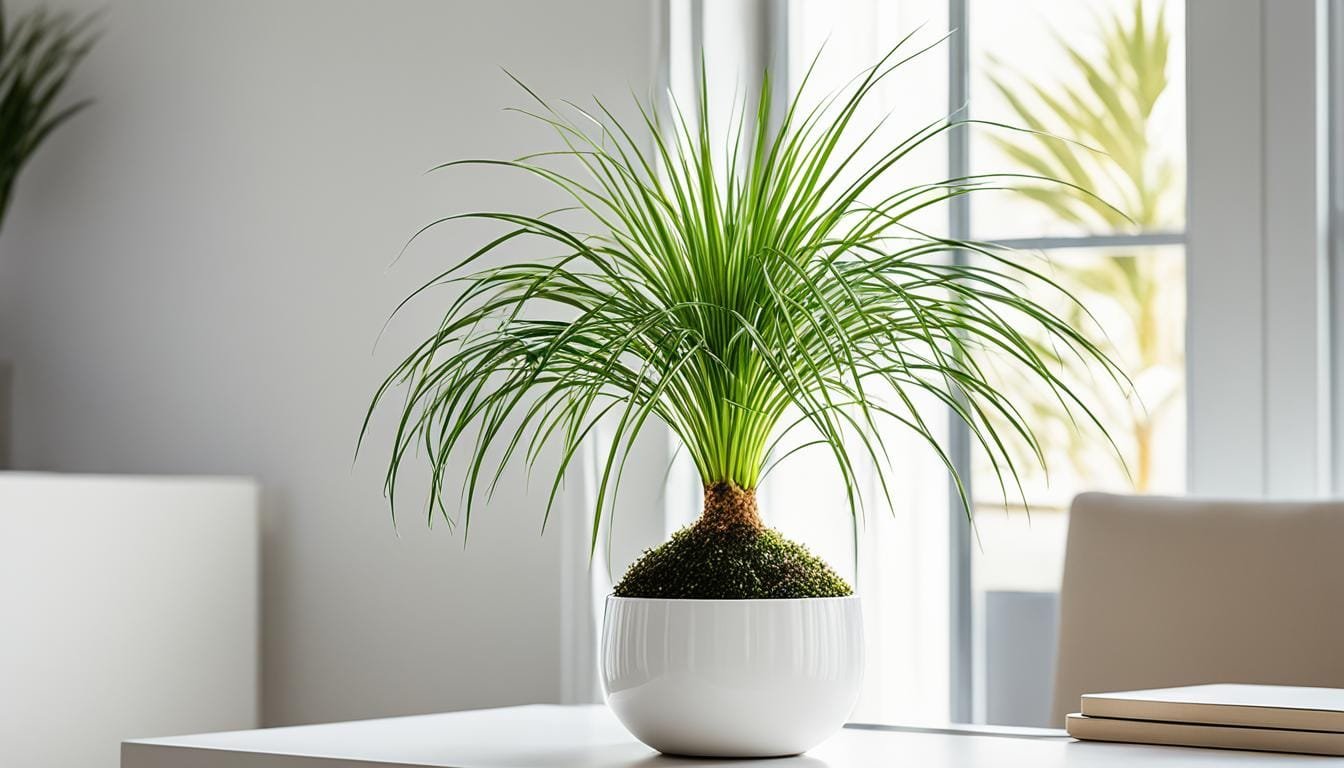 Ponytail Palm: The Complete Guide to
A Few Practical Pointers
Dust is the silent enemy of light. A layer of grime on those curly leaves blocks the sunshine the plant needs to photosynthesize. Wipe them down with a damp cloth every month or so.
Also, remember that ponytail palms store water in their bulbous trunks—hence the nickname "elephant's foot." That means they'd rather be a little dry than soggy, and bright light helps them use up whatever moisture they've got. In low light, ease way back on watering.
Fun fact: a well-cared-for ponytail palm can live for decades, sometimes outliving the person who bought it. Some specimens in Mexico are estimated to be over a hundred years old. That's a lot of sunny afternoons.
Finally, don't panic if growth slows in winter. Less light and cooler temperatures naturally slow things down. Come spring, your plant will pick up the pace again.
A Small Reflection
There's something quietly satisfying about a plant that knows what it wants. The ponytail palm doesn't ask for much—just a sunny spot, a drink now and then, and a little patience. Give it those things, and it rewards you with years of sculptural, low-maintenance beauty.
Maybe that's the real lesson. We all need a bit of light to grow, and we're usually at our best when we stop overcomplicating things. Find your sunny spot, water yourself wisely, and let the rest take care of itself.
