How To Check Blower Motor On Furnace

Your furnace has a blower motor, and it’s basically the lungs of your house. When it works, warm air whooshes through the vents like a friendly ghost. When it dies, you get a...
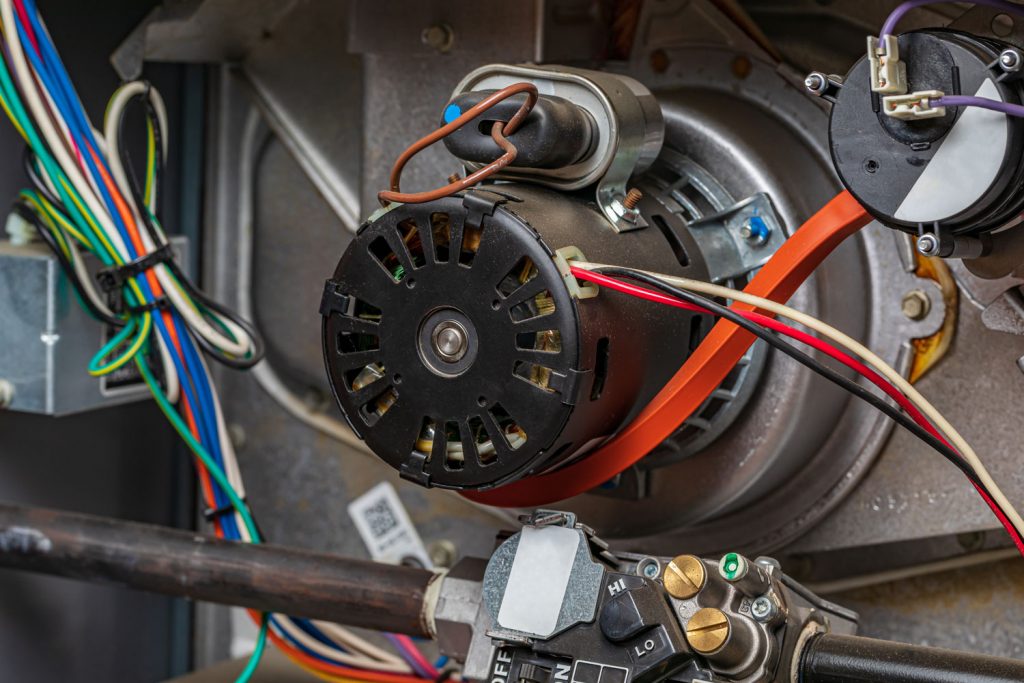
Your furnace has a blower motor, and it’s basically the lungs of your house. When it works, warm air whooshes through the vents like a friendly ghost. When it dies, you get a chilly living room and a cat staring at you like you personally broke the weather.
Checking a blower motor isn’t rocket surgery. It’s part detective work, part electrical caution, and part please don’t zap yourself. Grab a multimeter, a screwdriver, and maybe a snack. You’re about to become a furnace whisperer.
First, Cut the Power Like You Mean It
Before you touch anything inside the furnace, turn off power at the furnace switch and the breaker. That’s not a suggestion. That’s the rule that keeps your hair from doing a surprise fireworks show.
Must Read
Flip the switch, then verify with a non-contact voltage tester or multimeter. Electricity can hide in capacitors and control boards like a prank-loving roommate. Give the system a few minutes to calm down.
Find the Blower Motor Without Losing Your Mind
Remove the furnace’s access panel. You’re looking for a metal cylinder with wires, often sitting near a shiny metal “squirrel cage” fan. The blower motor spins that cage to push air through your ducts.
Take a photo of the wiring before you unplug anything. Future you will thank present you. Label wires with tape if you’re feeling fancy, or if you’ve ever forgotten which wire went where and spent an hour questioning your life choices.
Use Your Nose and Eyes First
Look for obvious drama: scorch marks, melted wire nuts, rust, dust bunnies the size of tumbleweeds. A burning smell is the motor’s way of saying, “I’m not okay.”
Spin the squirrel cage by hand. It should move freely with a little resistance, then stop without grinding. If it wobbles, scrapes, or feels like a rusty gate, the bearings may be toast.
Check for debris blocking the fan. Sometimes a stray piece of cardboard, a leaf, or a mouse’s ambitious home renovation stops the whole show. Remove junk carefully, but only with power off.
 Diagnosis and replace Furnace Blower motor - YouTube
Let the Thermostat Do the Talking
Turn power back on and set the thermostat fan switch to ON. The blower should start right away, even without a call for heat. If nothing happens, you’ve narrowed the suspect list.
If you hear a hum but no spinning, the motor might be stuck or the capacitor might be weak. If you hear clicking, the control board may be trying to start it but failing. If you hear silence, check power and thermostat settings first.
Set the thermostat to heat and raise the temperature. When the burners ignite, the blower should kick on after a short delay. No blower means the furnace is heating up like a teapot with no whistle.
Capacitor: The Tiny Can with a Big Attitude
The capacitor is a small oval or cylindrical component connected to the motor. It gives the motor a jolt to start spinning, like a caffeine shot for electrons. A bad capacitor can make a good motor look dead.
Before testing it, discharge it safely. Even with power off, it can hold a charge that bites. Use an insulated screwdriver across the terminals, or follow your multimeter’s instructions.
Look for bulging, leaking, or burnt terminals. If you have a multimeter with capacitance mode, test the microfarad rating. No capacitance, or way off the label? Replace it with an identical rating.
 How to Test a Furnace Blower Motor | Easy Guide - YouTube
Multimeter Time: Voltage, Continuity, and Calm
With power on and the thermostat calling for fan, check voltage at the motor leads. You should see roughly 120 volts or 240 volts, depending on the furnace. If voltage is present but the motor won’t spin, the motor is likely bad.
If there’s no voltage, the problem may be upstream: control board, limit switch, door switch, or a blown fuse. Don’t just replace the motor because it’s the biggest part in the room.
For a continuity test, turn power off and unplug the motor. Measure resistance across the windings. Infinite resistance, or OL, means an open winding, which is electrician speak for “this motor is done.”
When to Call a Pro and Save Your Sanity
Call a technician if you smell gas, see burnt wiring, or feel unsure around 240 volts. That’s not defeat. That’s wisdom with a service fee.
Also call if the control board looks like a tiny city with scorch marks. Modern furnaces can throw error codes, and a pro can read them faster than you can Google “why is my furnace blinking sadly.”
Checking your blower motor can save you money and a freezing night. But if the diagnosis gets weird, step back, sip your coffee, and let a professional handle the sparky bits.
