What To Do At Big Bend National Park

Big Bend National Park is the kind of place that makes you say “wait, this is Texas?” out loud. It’s vast, rugged, and gloriously remote. You don’t just visit Big Bend; you co...
Big Bend National Park is the kind of place that makes you say “wait, this is Texas?” out loud. It’s vast, rugged, and gloriously remote. You don’t just visit Big Bend; you commit to it.
That commitment pays off in canyons, mountains, desert, and stars so bright they look fake. Here’s how to make the most of it without melting, getting lost, or angering a javelina.
First, Respect the Size
Big Bend covers over 800,000 acres, which is bigger than Rhode Island. Driving from one side to the other can take hours. So don’t plan five hikes, a river trip, and a sunset drive in one day unless you enjoy chaos.
Must Read
Fill your gas tank before you get too deep into the park. There’s gas at Panther Junction, but it’s not a full-service city. Carry more water than you think you need, because the desert is not kidding around.
Drive the Scenic Routes
The Ross Maxwell Scenic Drive is the park’s greatest hits album. It rolls past volcanic leftovers, desert flats, and dramatic overlooks. Stop at Sotol Vista for a view that makes your phone camera feel inadequate.
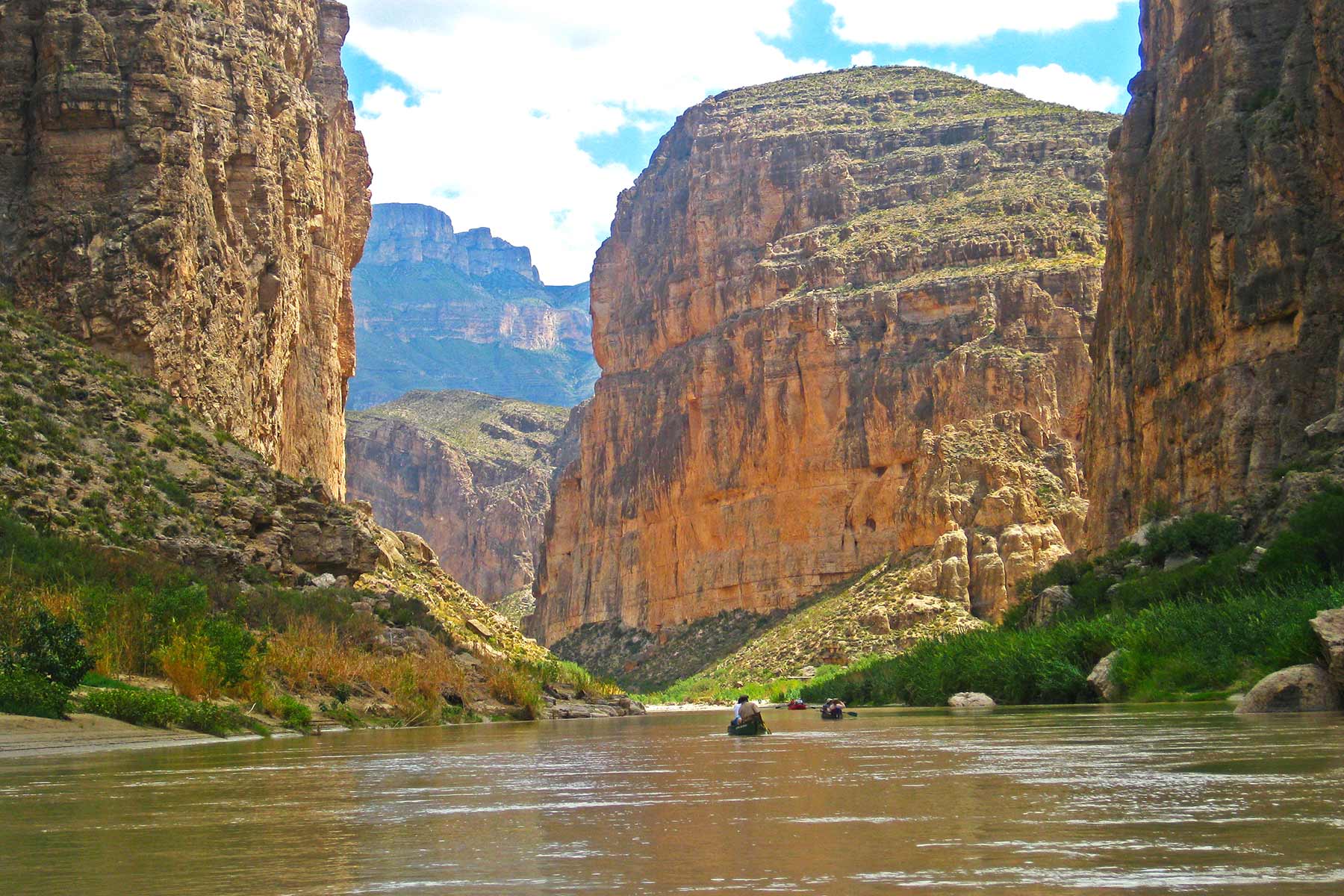
Keep going to Santa Elena Canyon, where the Rio Grande slices through towering limestone walls. The short trail into the canyon is a must. You’ll feel tiny, and you’ll like it.
Don’t skip the Chisos Basin Road, either. It climbs into the mountains and delivers cool air, pine trees, and a whole different park. Just know that trailers and RVs over a certain length aren’t allowed on that road.
Hike Something Memorable
Lost Mine Trail is the crowd-pleaser for good reason. It’s about 4.8 miles round trip and serves up huge views of the Chisos. Go early, bring water, and pretend you’re not out of breath when other hikers pass.
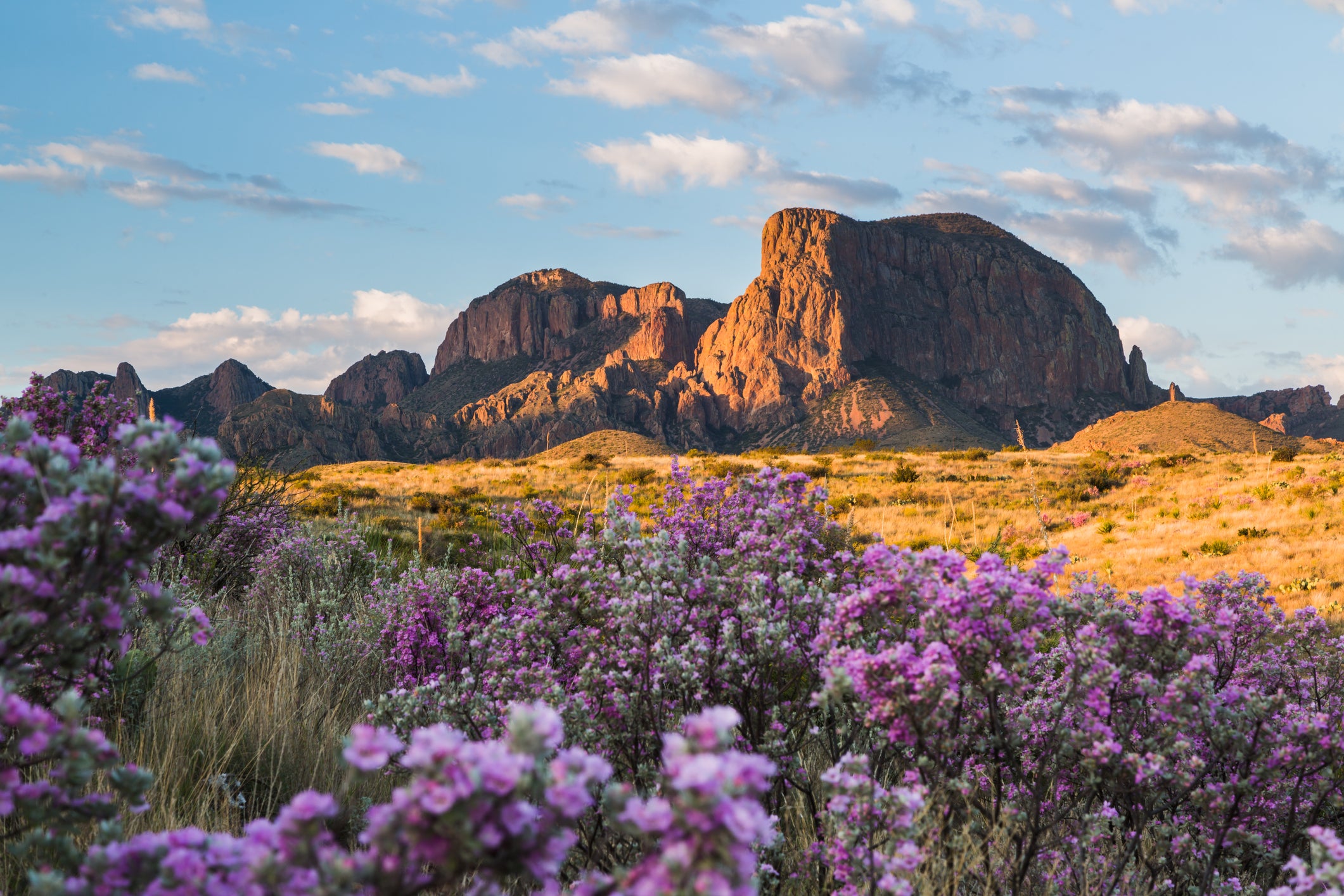
The Window Trail is another classic. It leads down to a pour-off with a V-shaped view of the desert beyond. Sunset here is magic, but bring a headlamp for the walk back.
If you want a real challenge, tackle Emory Peak, the park’s highest point. It’s steep, long, and rewarding. Your legs will file a complaint, but your memory will keep the photos.
 A beginner’s guide to visiting Big Bend National Park: Everything you
For a weirder, shorter adventure, hike to Balanced Rock in Grapevine Hills. The road in is rough, so don’t bring your low-clearance sedan. The payoff is a giant boulder that seems to defy physics and good sense.
Get on the River
The Rio Grande isn’t just scenery; it’s an activity. You can canoe or kayak through Santa Elena Canyon or Boquillas Canyon. Outfitters in Terlingua and Study Butte can set you up.
Check water levels and weather before you go. The river can be lazy, and it can also be serious. Either way, wear sunscreen and maybe a hat that says “I’m outdoorsy now.”
Soak, Stargaze, and Learn Stuff
The Hot Springs Historic District is a quirky treat. Soak in the old spring-fed pool while the Rio Grande drifts by. It’s part history lesson, part spa day, and entirely memorable.
Big Bend is an International Dark Sky Park, so night is a headline attraction. Lie back, let your eyes adjust, and watch the Milky Way spill across the sky. You’ll forget what light pollution ever was.
Birders love the park’s mix of desert, mountain, and river habitats. The Fossil Discovery Exhibit is also worth a stop. Where else can you learn about ancient sea creatures in a place that now feels like Mars?
Cross the Border (If You Want)
The Boquillas Crossing lets you visit the tiny Mexican village of Boquillas del Carmen. Bring your passport, take the rowboat across, and enjoy lunch with a side of adventure. It’s a delightful cultural detour.
 A beginner’s guide to visiting Big Bend National Park: Everything you
Check current hours and rules before you go. Border crossings are like campfires: wonderful when handled properly, bad when ignored.
Sleep Under Those Stars
Camping is the classic Big Bend move. Chisos Basin, Rio Grande Village, and Cottonwood are the main campgrounds. Reserve early, especially in cooler months.
If you prefer a real bed, the Chisos Mountains Lodge is the only lodge inside the park. It’s simple, cozy, and booked far in advance. Backcountry campers need permits, so plan ahead.
Don’t Be a Desert Statistic
Heat is the boss here. Hike early or late, not at noon in July. Carry at least one gallon of water per person per day, plus snacks.
Cell service is spotty to nonexistent. Download maps, tell someone your plans, and don’t rely on GPS to save you. Also, leave no trace, because future visitors deserve the same wow.
Final Thought: Go Get Dusty
Big Bend isn’t a theme park. It’s wild, quiet, and a little inconvenient. That’s exactly why it sticks with you.
You’ll leave with dusty boots, a full camera roll, and a calmer heart. The desert has a way of shrinking your worries and expanding your sense of wonder.
So go. Take the long drive, drink the water, and let the stars do the rest. Big Bend will meet you exactly where you are, then take you somewhere better.
