What Does Cistern Mean In The Bible

A cistern sounds like an ancient word for a fancy bucket. It isn't. In the Bible, a cistern is a water storage tank, usually carved into rock or dug into the ground. Think of...
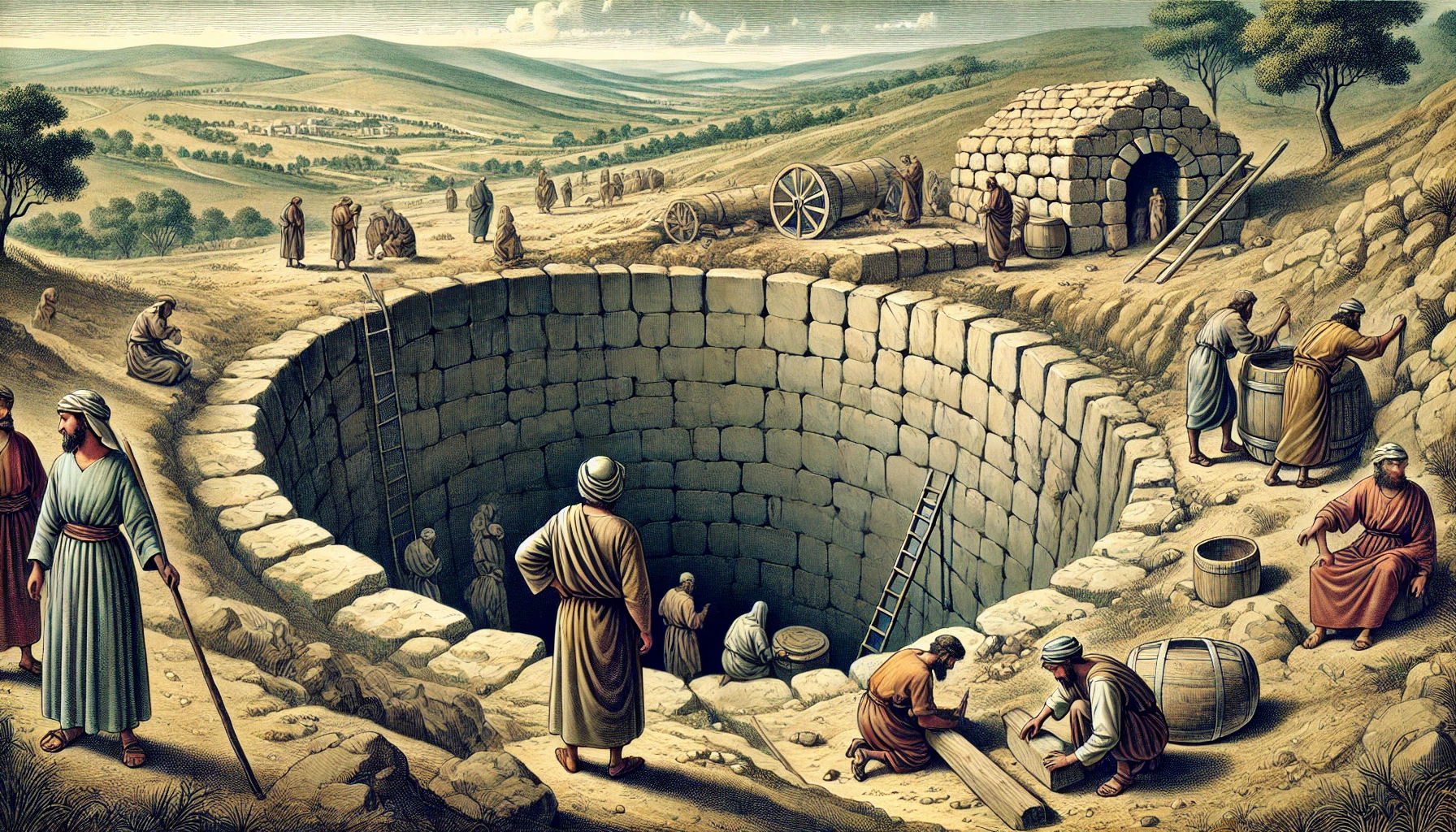
A cistern sounds like an ancient word for a fancy bucket. It isn't. In the Bible, a cistern is a water storage tank, usually carved into rock or dug into the ground.
Think of a homemade reservoir. It catches rain, runoff, or water carried from somewhere else. Then it holds that water for dry days.
That makes a cistern different from a well. A well taps into groundwater. A cistern waits for water to come to it.
Must Read
Well vs. Cistern: Hebrew Nerd Alert
The Hebrew word behind many "cistern" verses is bor. It can mean cistern, pit, dungeon, or even grave. Context decides.
So when your Bible says "pit," it might really mean "cistern." Same basic hole. Very different plumbing.
Ancient cisterns were often bell-shaped or pear-shaped. People plastered them with lime to stop leaks.
A good cistern was a lifesaver. A cracked cistern was a cruel joke.
Cisterns weren't just for kings. A family might have one under the courtyard. You'd lower a bucket and hope for the best.
Water could get stale. Bugs, dust, and debris happened. That made a fresh spring even more precious.
Joseph's Bad Day
In Genesis 37, Joseph's brothers toss him into a pit. The text says the pit was empty and had no water. That's a cistern.
Imagine the drama. They strip off his colorful coat, drop him in, then sit down to eat lunch. Cold-blooded picnic.
Later, they sell him into slavery. That cistern becomes a waiting room for betrayal.
Jeremiah's Mud Bath
Jeremiah gets an even grosser cistern story. In Jeremiah 38, officials throw him into a cistern belonging to Malchiah.
It has no water, only mud. Jeremiah sinks. He doesn't just sit in a hole; he starts to become one with the sludge.
Then Ebed-melech, an Ethiopian official, rescues him. He uses ropes and old rags under Jeremiah's armpits. Weirdly thoughtful, very specific.
 Cistern Bible Meaning: What Does it Symbolize in Scripture?
So cisterns could be prisons. Not just storage. A dry cistern was a terrible place to be forgotten.
Broken Cisterns
Here's the verse that made cisterns famous. In Jeremiah 2:13, God says his people have done two evils.
First, they abandoned him, the fountain of living waters. Second, they dug their own cisterns. Broken ones that cannot hold water.
That's a brutal metaphor. God is a flowing spring. Idols are leaky tanks you made yourself.
You fill them up. They drain out, and you try again. Sound familiar?
A broken cistern isn't dramatic. It's just useless. That's the quiet tragedy.
Your Own Cistern
Proverbs 5:15 says, "Drink water from your own cistern." That's not a plumbing tip. It's about sexual faithfulness.
The next line talks about flowing water from your own well. In context, it tells a husband to delight in his own wife.
It's earthy, blunt, and surprisingly romantic. The Bible uses water storage as a marriage metaphor. Wild.
Cisterns You Didn't Dig
Deuteronomy 6:11 lists blessings the Israelites will inherit: houses filled with good things, vineyards they didn't plant, and cisterns they didn't dig.
That's grace in concrete form. Someone else did the hard work. They just get to drink.
King Uzziah also dug many cisterns because he had lots of livestock. So cisterns were ranch infrastructure. Less poetic, still useful.
 Bible Verses about 'Sin'
Safety Rules and Prophecy
Exodus 21:33-34 has a law about pits. If you dig a pit and don't cover it, and an ox falls in, you pay.
That's an ancient safety code. Cisterns were dangerous. Open holes in the ground usually are.
In 2 Kings 18 and Isaiah 36, an Assyrian official offers a tempting promise. Everyone will drink from their own cistern. It's propaganda with a plumbing detail.
Jerusalem was under siege. That promise was a lie with good marketing.
Living Water vs. Leaky Tanks
Jesus picks up this water imagery in John 4. He meets a woman at a well and offers living water. He's not talking about a cistern.
He's talking about himself. Fresh, flowing, never-ending life. The contrast is the whole point.
Springs flow. Cisterns sit. God gives; idols leak.
In John 7, Jesus shouts about rivers of living water. Same vibe. Different festival.
Why It's Fun
Cisterns show up in betrayal, rescue, worship, marriage, and farming. They're the Swiss Army knife of biblical imagery.
They also remind us that water was never casual in the ancient world. You didn't just turn a tap. You saved every drop.
Leaky Bucket Theology
They also make great sermon illustrations: leaky bucket theology, mud pit rescue, rainwater grace.
So next time you read "pit" or "cistern," picture a dark, plastered hole. Sometimes it holds water. Sometimes it holds a prophet.
Other times it holds a warning about leaky substitutes for God. Not bad for a word that sounds like a fancy bucket.
