Do Bell Peppers Need A Lot Of Water

Bell peppers are the easygoing friends of the vegetable patch—until they’re not. They don’t demand a firehose, but ignore them for a week and they’ll sulk like a toddler denie...

Bell peppers are the easygoing friends of the vegetable patch—until they’re not. They don’t demand a firehose, but ignore them for a week and they’ll sulk like a toddler denied a cookie. So do bell peppers need a lot of water? The answer is a Goldilocks special: moderate, consistent moisture, not a daily swamp.
Think of a bell pepper as a tropical plant wearing a cozy sweater. It comes from warm regions of Central and South America. It loves sun, heat, and soil that feels like a wrung-out sponge—not bone dry, not soup.
The Short Answer: They’re Thirsty, Not Needy
Most garden peppers want about 1 to 2 inches of water per week. That includes whatever rain decides to show up. In scorching, windy, or sandy conditions, they may need a bit more.
Must Read
In containers, the rules change fast. A pot in full sun can dry out faster than gossip at a family reunion. You might water daily, and sometimes twice on brutal summer days.
Don’t water by the calendar. Stick a finger into the soil. If it’s dry an inch or two down, water. If it’s soggy, back away slowly and hide the hose.
Why Consistency Beats Quantity
Bell peppers have shallow roots. They don’t drill deep for hidden treasure. That means they depend on the top layer of soil staying reasonably moist.
When you bounce between drought and flood, the plant panics. Flowers can drop, leaves can curl, and fruit can develop blossom end rot. That dark, sunken spot is basically the plant throwing a calcium-delivery tantrum, and water is the delivery truck.
Overwatering isn’t kindness. It drowns roots, invites rot, and turns your pepper patch into a fungal theme park. Yellowing leaves and permanent drooping are red flags.
How to Water Bell Peppers Like a Pro
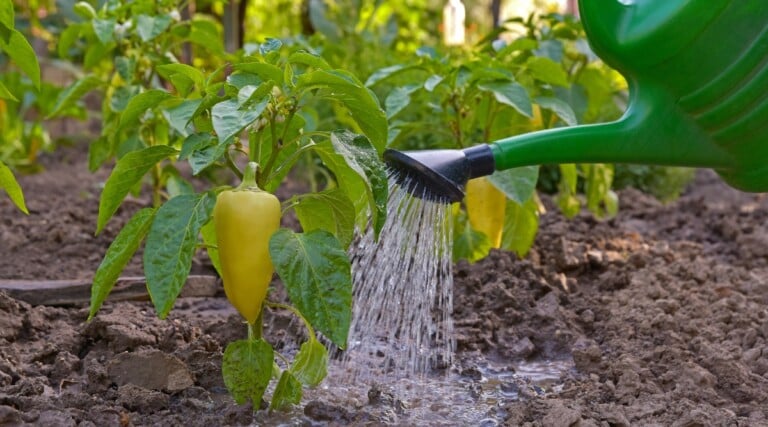
Water deeply and less often. A long soak encourages roots to spread. A quick sprinkle just teases them.
 7 Pepper-Growing Secrets For a Huge Harvest
Aim for the soil, not the leaves. Wet foliage is an open invitation to leaf spot and other plant parties you don’t want. Morning watering is ideal because leaves dry before evening.
Mulch is your best friend here. A layer of straw, shredded leaves, or compost keeps moisture in and weeds out. It’s like giving your peppers a shady blanket and a bouncer for the soil.
Containers, Raised Beds, and Garden Soil
Containers dry out fastest, especially terracotta and black plastic. Check them daily in summer. Raised beds dry faster than in-ground beds but slower than pots.
In-ground peppers with loamy soil can often go several days between waterings. Clay soil holds water longer, so be careful not to overdo it. Sandy soil drains fast, so you may need to water more often.
If you’re unsure, buy a moisture meter. It’s cheap, nerdy, and oddly satisfying. Your peppers will not judge you. They’re too busy photosynthesizing.
When the Weather Goes Wild
Heat waves make peppers drink faster. A plant that was fine on Tuesday may be gasping by Friday. Wind also dries soil and leaves, so a breezy day can sneak up on you.
Cool, cloudy weather is the opposite. The soil stays damp longer, and eager watering can drown roots. Ease off the hose and let the plant use what’s already there.
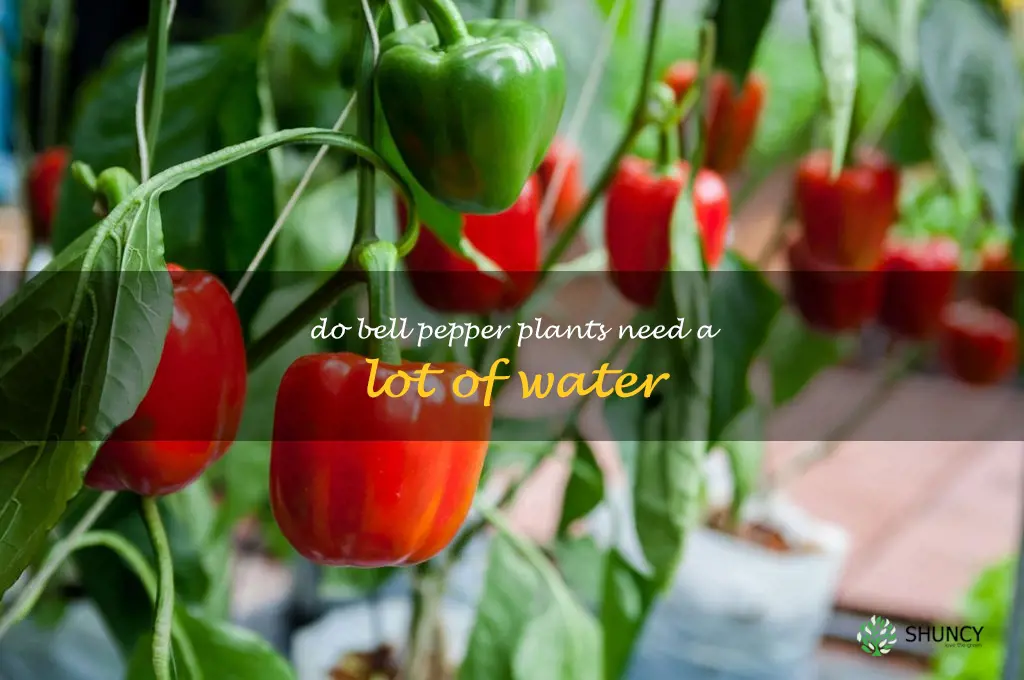 How Much Water Do Bell Pepper Plants Really Need | ShunCy
Signs You’re Watering Wrong
Wilting at noon isn’t always a cry for water. In extreme heat, peppers wilt to reduce water loss, then perk up in the evening. If they’re still drooping at sunset, then water.
Yellow lower leaves and mushy stems suggest overwatering. Brown, crispy leaf edges and dropped flowers suggest underwatering. Learn the difference, and you’ll save yourself from plant therapy.
Surprising Pepper Facts for Your Next Cookout
Bell peppers are technically fruits, not vegetables. Botanically speaking, they’re berries. Yes, your stir-fry is hiding a fruit salad.
They’re also perennials in warm climates. In tropical regions, a pepper plant can live for years. We grow them as annuals because frost turns them into sad, brown confetti.
The Final Gulp
So, do bell peppers need a lot of water? Not a lot, but regularly. They want about an inch or two per week, more in heat or containers. They want deep drinks, good drainage, and mulch.
Give them that, and they’ll reward you with crisp, sweet peppers. Give them a swamp, and they’ll rot. Give them a desert, and they’ll pout. Aim for the middle, and everybody eats.
Now go check your soil. Your peppers are waiting, and they’re not shy about complaining.
