What Is The Diamond District In Nyc

You can feel the Diamond District before you fully see it. A low hum of negotiation, the glint of fluorescent light on gold, and a block of Midtown Manhattan that seems to run...
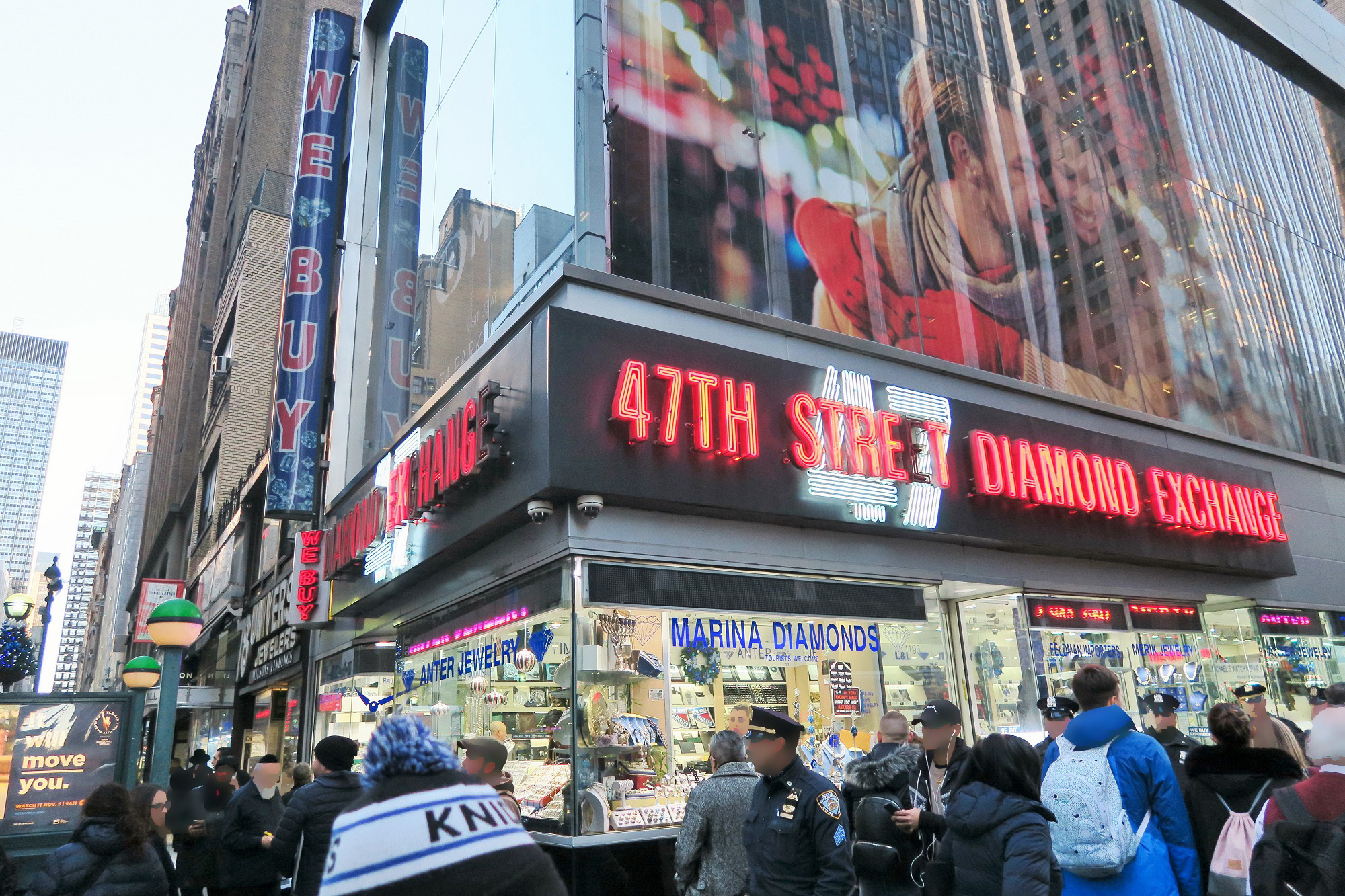
You can feel the Diamond District before you fully see it. A low hum of negotiation, the glint of fluorescent light on gold, and a block of Midtown Manhattan that seems to run on trust and nerve. It is not a single store but a whole ecosystem crammed into West 47th Street between Fifth and Sixth Avenues.
Locals call it simply 47th Street. Tourists stumble into it looking for a souvenir and leave wondering if they just walked through a movie set. In many ways, they did.
The 47th Street Vibe
The Diamond District is one tight block, though its influence stretches across the globe. More than 2,600 independent businesses operate here, from tiny booths to grand showrooms. You will see jewelers, wholesalers, appraisers, setters, and polishers all within a few feet of each other.
Must Read
The crowd is a true New York mosaic. Hasidic Jewish dealers, Indian diamond merchants, Russian gemologists, and young entrepreneurs share the same sidewalks. That mix gives the street its particular rhythm: part old-world bazaar, part high-stakes trading floor.
The district took shape after World War II, when Jewish immigrants and refugees brought their trade skills to Midtown. By the 1940s, 47th Street had become the city’s jewelry hub. Later waves of Indian, Russian, and Middle Eastern dealers added new layers.
Security is visible but not theatrical. Cameras watch every corner, and armed guards stand near entrances. Still, the atmosphere is surprisingly friendly if you come with curiosity instead of suspicion.
How the Deals Go Down
Much of the real business happens behind closed doors or in private exchanges. The Diamond Dealers Club, founded in 1931, remains a central institution. Deals are still sealed with a handshake and the phrase mazal u'bracha—luck and blessing.
That handshake is not just nostalgia. It is a contract built on reputation, where a single broken promise can end a career. In a business of tiny, portable, priceless objects, trust is the real currency.
You can buy retail on the street, but many shops cater to the trade. Ask politely, and you might get a quick lesson in cut, color, clarity, and carat. Ask rudely, and you will get a polite shrug.
Practical Tips Before You Go
First, know what you want. A GIA or AGS certificate is your best friend for diamonds. Without one, you are just guessing at value.
 Where is the Diamond District in Manhattan? [Insider Guide
Compare at least three vendors. Prices can vary wildly, and the first quote is rarely the final one. Negotiation is expected, but it should stay respectful.
Ask about the return policy in writing. Also ask if the price includes tax, setting, and sizing. Those extras can add up fast.
Bring a loupe or ask to use one. A simple 10x magnifier lets you see the stone’s inclusions and craftsmanship. It also signals that you are paying attention.
Weekdays are calmer than weekends. Many Jewish-owned businesses close early on Friday and stay closed on Saturday. Sunday can be busy, so go early if you want unhurried attention.
Pay with a credit card when possible for added protection. Cash may get you a discount, but you lose leverage if something goes wrong. And yes, lab-grown diamonds are widely available here—they are real diamonds, just made in a lab, and often much cheaper.
Do not feel pressured to buy on the spot. A good dealer will let you walk away and think. A great one will hand you a business card and say, “Come back when you’re ready.”
Fun Facts and Cultural Cameos
The Diamond District handles billions of dollars in trade every year, with estimates around $24 billion. Roughly 90% of diamonds entering the United States pass through New York, and much of that traffic moves through this one block.
 Manhattan Gold & Silver New York Ny | Detroit Chinatown
It has appeared in films like Uncut Gems, Marathon Man, and The French Connection. The street’s tense, glittering energy makes it a natural character in any New York story.
It is also part of a global network that includes Antwerp, Tel Aviv, Mumbai, and Dubai. The Kimberley Process, a certification system to curb conflict diamonds, shapes how many stones move through these channels.
The district is not just diamonds. You can find gold, silver, watches, estate jewelry, and custom settings. Some booths specialize in repairs while you wait.
One more fun fact: the phrase “47th Street” is often used as shorthand for the entire diamond trade. If someone says they “got it on 47th,” they mean they went straight to the source.
A Little Reflection
Walking through the Diamond District can feel like stepping into a world where value is both measured and imagined. A stone’s price depends on science, yes, but also on story, desire, and the person across the counter.
That is not so different from daily life. We constantly negotiate trust, assess beauty, and decide what is worth our time and money. We look for signs of honesty in a crowded, noisy world.
So even if you never buy a diamond, the District offers a small lesson. Real value is often built in person, one handshake, one conversation, one careful choice at a time.
The next time you pass a jewelry store in your own neighborhood, pause for a second. Someone behind that counter might be part of a chain that leads back to 47th Street.
