How To Fill A Sinkhole In Your Yard

A sinkhole in your yard is nature’s way of saying, “Surprise!” It’s part geology, part mystery, and part “please don’t let my dog fall in there.” Good news: small sinkholes ar...
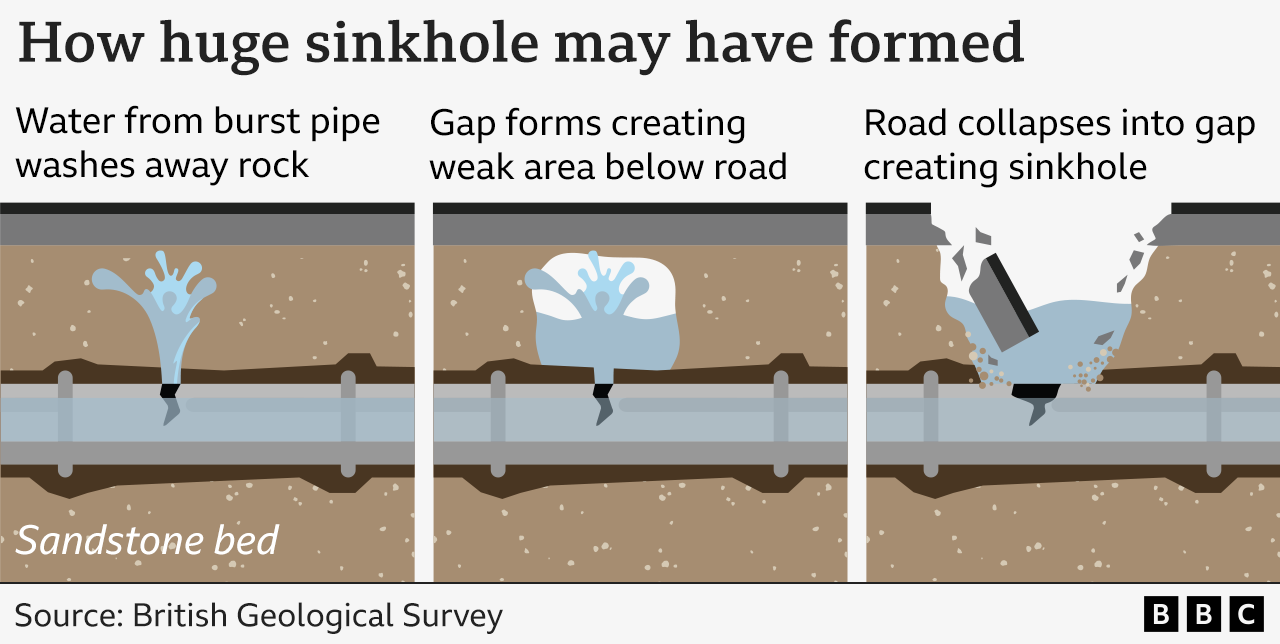
A sinkhole in your yard is nature’s way of saying, “Surprise!” It’s part geology, part mystery, and part “please don’t let my dog fall in there.”
Good news: small sinkholes are often fixable. Bad news: they’re weird, unpredictable, and sometimes very dramatic.
So grab a shovel, a sensible hat, and maybe a snack. Let’s fill that hole like a backyard champion.
Must Read
First, Size Up the Hole
Not all sinkholes are equal. Some are shallow dimples. Others are portals to a limestone underworld.
A small bowl-shaped dip might just need soil and patience. A sudden deep pit needs professional eyes immediately.
If the hole is wider than a kiddie pool, call an expert. If it’s deeper than your fence post, also call an expert.
Quirky Clue: Watch the Water
Sinkholes love water. Water dissolves certain rocks, like limestone, gypsum, and salt.
That creates hidden caves and voids underground. Eventually, the roof of that void gets tired and collapses.
So if water vanishes into the hole, that’s not magic. That’s a warning sign.
Safety First, Hero
Before you play fill-the-hole, check for utilities. Call 811 or your local utility locating service.
You do not want to stab a gas line while chasing a landscaping dream. That’s a very bad plot twist.
Keep kids and pets away. Sinkhole edges can crumble like a stale cookie.
Small Sinkhole? DIY Time
For a tiny, shallow depression, you can sometimes fill it yourself. Use clean soil, sand, or a soil-sand mix.
Don’t dump everything in at once. Add a few inches, then tamp it down.
Water it lightly to help settle the soil. Repeat until the ground is level.
Think of it like layering a weird dirt lasagna. Soil, tamp, water. Soil, tamp, water.
 How To Fill A Sinkhole
If the hole keeps eating your dirt, stop. A hungry sinkhole is a suspicious sinkhole.
It may connect to a larger void below. That’s beyond a wheelbarrow and a good attitude.
What About Gravel and Rocks?
Some people use gravel at the bottom for drainage. Then they top it with soil.
That can work for minor settling. But gravel won’t fix a true collapse.
Also, don’t toss in old furniture, tires, or “mystery buckets.” That’s not filling. That’s burying junk.
If you’re tempted to pour concrete over the hole, pause. Concrete is heavy. A weak void may not appreciate the new hat.
Fun Fact Break
Sinkholes can be so large they swallow cars, roads, and sometimes entire buildings.
In Florida, sinkholes are practically a local celebrity. The state’s limestone bedrock dissolves easily.
Some sinkholes even become ponds. Nature just installs a water feature without asking.
The Proper Fill Recipe
For a shallow DIY sinkhole, start with a clean fill dirt. Avoid rich topsoil for the deep layers.
Topsoil is for plants. Fill dirt is for structure. Mixing them up is like using frosting as foundation.
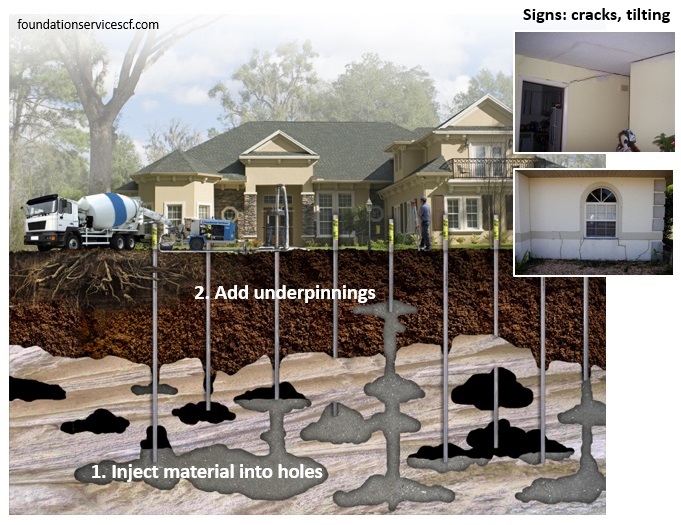
Add material in lifts, meaning thin layers. Tamp each layer with a hand tamper or the end of a sturdy post.
Keep checking with a level. You want the final surface slightly above grade.
Why slightly above? Because soil settles. A little mound today prevents a dip tomorrow.
 How To Fill A Sinkhole
Then spread grass seed or lay sod. Pretend the whole thing never happened.
When the Hole Fights Back
If the sinkhole reopens, grows, or pulls in surrounding soil, stop. You’re not dealing with a divot anymore.
Call a geotechnical engineer or a sinkhole repair specialist. They have cool tools and boring but important words.
They may check soil density, groundwater, and underground cavities. Basically, they x-ray the ground.
Insurance and Paperwork Stuff
Homeowners insurance may or may not cover sinkhole damage. It depends on where you live and your policy.
Florida and a few other states have specific sinkhole coverage rules. Ask questions before you need answers.
Take photos. Keep receipts. Document everything like you’re solving a backyard crime.
Keep a folder, digital or paper. Future you will be grateful.
Can You Just Ignore It?
Tiny, stable dips sometimes settle and stop. But ignoring a growing hole is like ignoring a weird noise in your car.
It might be nothing. It might be the beginning of an expensive adventure.
Trust your gut. If the ground feels spongy or sounds hollow, back away slowly.
The Takeaway
Filling a small sinkhole is part art, part science, and part stubborn optimism. Fill it slowly, tamp it well, and watch it closely.
For anything deep, wide, or mysterious, call a pro. Your yard is not a geology experiment.
And hey, now you know a fun fact at parties. Sinkholes are underground caves throwing a surprise party at the surface.
