Is It Safe To Drink Tap Water In Dc

So, is it safe to drink tap water in Washington, D.C.? The short answer is yes, for most people, but the longer answer has a few interesting wrinkles. D.C. Water treats and te...
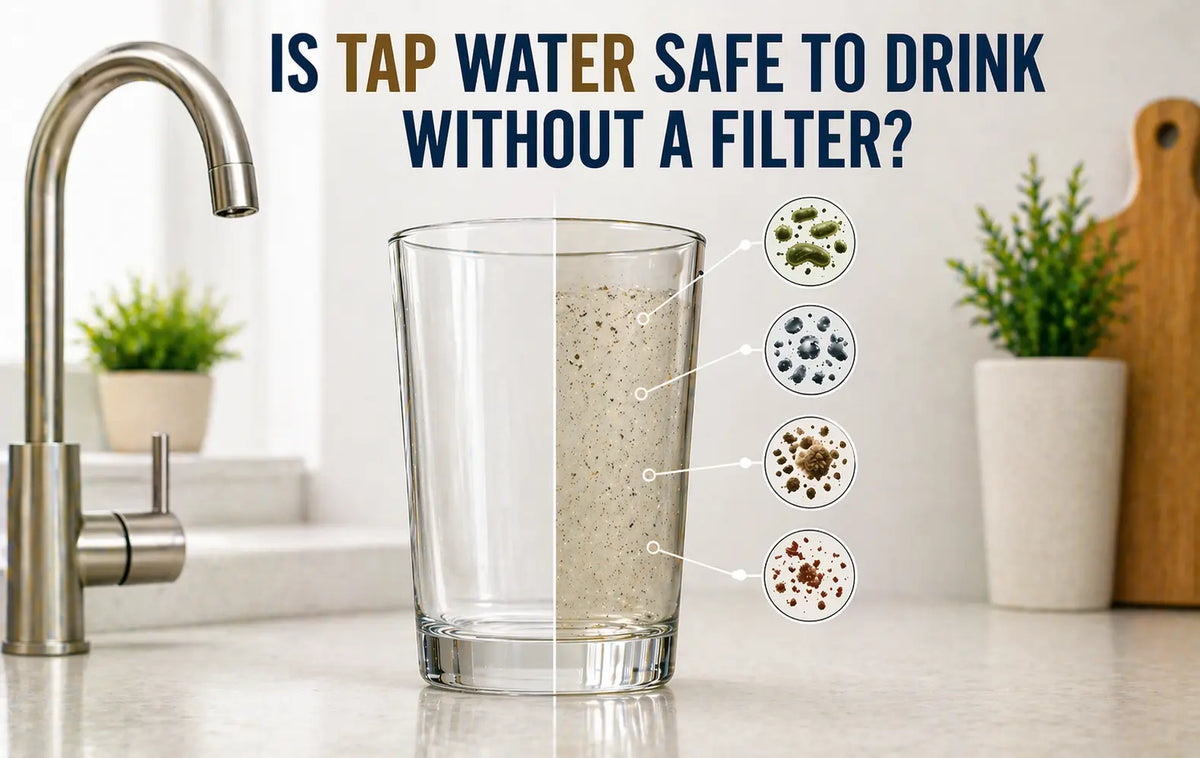
So, is it safe to drink tap water in Washington, D.C.? The short answer is yes, for most people, but the longer answer has a few interesting wrinkles.
D.C. Water treats and tests the city’s drinking water constantly. It meets the federal safety standards set by the EPA. That’s a big deal, and it’s also kind of cool when you think about it.
Where does D.C. tap water come from?
Most of it starts in the Potomac River. From there, it flows to treatment plants like Dalecarlia and McMillan, where it gets cleaned, filtered, and disinfected.
Must Read
Think of it like a giant, industrial-sized Brita filter that never sleeps. The water goes through a serious spa day before it reaches your sink. By the time it travels through miles of pipes, it’s been checked for bacteria, metals, and other contaminants.
So what’s the catch?
The main thing people worry about in D.C. is lead. Lead isn’t usually in the treated water itself. It can leach from older pipes, especially lead service lines or plumbing in homes built before the 1980s.
D.C. has a history with this issue. In the early 2000s, a change in water treatment caused lead levels to spike in some homes. The city fixed the chemistry and started replacing lead lines, but some older properties still have them.
That’s why the answer isn’t a simple “yes” for every single tap. It depends on your building. A brand-new apartment might be totally fine. A century-old rowhouse could need a closer look.
What is D.C. doing about lead?
D.C. Water adds orthophosphate to the water. This creates a protective coating inside pipes, kind of like a tiny shield that keeps lead from dissolving into your drink.
 Is Tap Water Safe To Drink? Here is What the Experts Say...
There’s also the Lead Free DC program, which aims to replace lead service lines across the city. You can check maps and request a water test through D.C. Water. If you’re curious, that’s a free and easy way to get real answers.
Does it taste weird?
Some people notice a chlorine or chloramine taste. That’s the disinfectant doing its job, not a sign that the water is unsafe. It’s a bit like smelling a swimming pool—unpleasant to some, but a sign that germs are being kept in check.
If you don’t love the flavor, fill a pitcher and let it sit in the fridge. The taste often fades. A simple carbon filter can also help, and it makes your water feel fancy without the fancy price.
Is bottled water better?
Not necessarily. Bottled water isn’t held to stricter safety standards than tap water, and it can cost hundreds of times more. D.C. tap water is like a library card for hydration—cheap, reliable, and already paid for.
Of course, bottled water is useful in emergencies. But for everyday drinking, your kitchen tap is usually the more practical choice.
 Is Tap Water Safe to Drink? | Kind Water Systems
Quick tips for D.C. tap water drinkers
Run the cold water for a minute or two before drinking, especially if it’s been sitting in the pipes. Use cold water for cooking and drinking, since hot water can pull more lead from plumbing. If you’re pregnant, have young kids, or live in an older home, consider testing your water.
Filters certified to remove lead are widely available. Look for NSF/ANSI 53 or 58 on the label. And if you’re still unsure, D.C. Water’s annual water quality report is public and surprisingly readable.
The bottom line
For most people in D.C., tap water is safe, closely monitored, and honestly pretty impressive. The water system is old and complicated, so your specific home matters.
If you want peace of mind, test it, filter it if needed, and ask questions. Drinking water shouldn’t be a mystery. In D.C., it’s mostly a success story—with a few old pipes still waiting for their upgrade.
So go ahead, pour yourself a glass. Just know your building’s story, and if something seems off, call D.C. Water. They’re the ones who track this stuff.
