Dia De Los Muertos 2025 Mexico City

Picture a city that throws a party for the dead—and somehow makes it feel like a warm hug. That’s Mexico City during Día de los Muertos, or Day of the Dead. In 2025, the main...
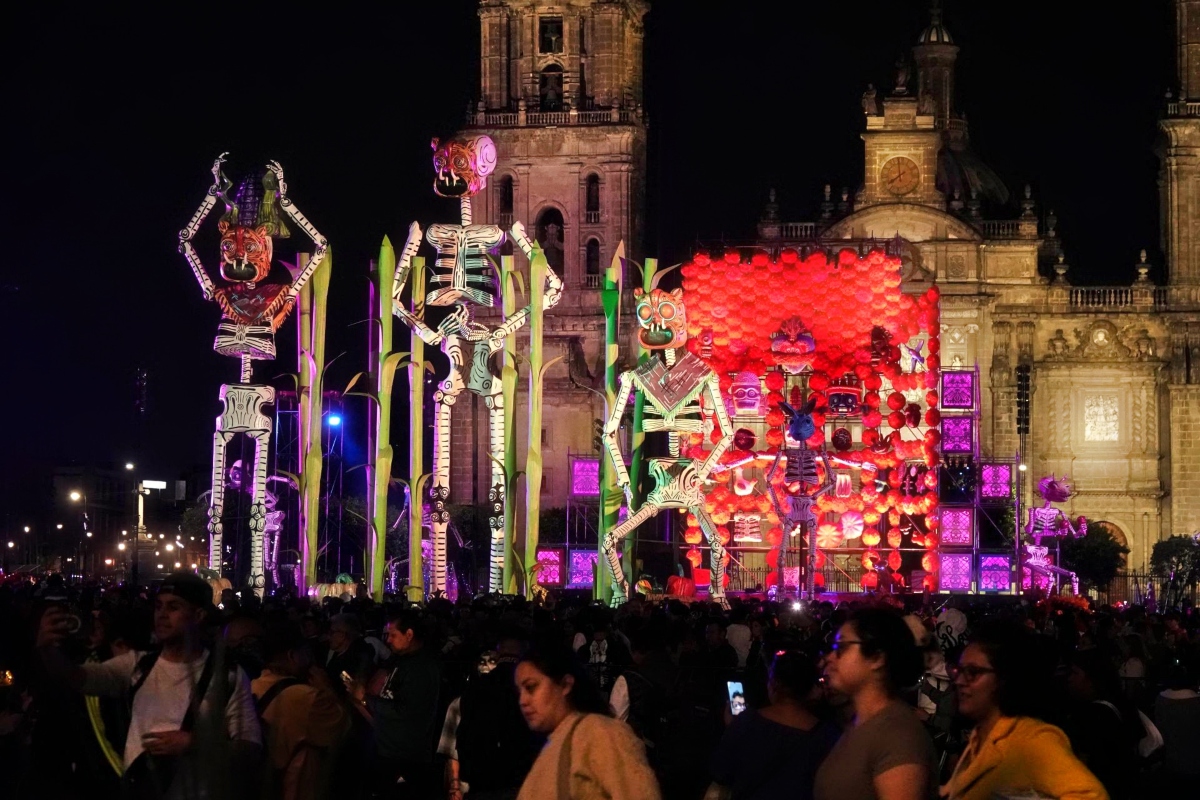
Picture a city that throws a party for the dead—and somehow makes it feel like a warm hug. That’s Mexico City during Día de los Muertos, or Day of the Dead. In 2025, the main dates are November 1 and 2, but the city starts buzzing weeks before.
Forget the spooky haunted house vibe. This is more like a giant family reunion where everyone brings flowers, food, and stories. Skeletons are smiling, not scary. And the whole point is remembering people you love.
What Exactly Is Día de los Muertos?
It’s a Mexican tradition that goes back thousands of years, mixing Indigenous beliefs with Catholic holidays. Families build ofrendas—altars with photos, candles, marigolds, and favorite snacks of the departed. It’s not worshiping death. It’s inviting your grandma’s spirit to stop by for a cup of coffee and a pan de muerto.
Must Read
Think of it like Thanksgiving, Halloween, and a birthday party rolled into one. Except the guest of honor might be your old dog, your abuelita, or your favorite uncle who told terrible jokes. You laugh, you cry a little, and you eat a lot.
Why Mexico City in 2025 Is the Place to Be
Mexico City goes all out. The Zócalo, the main square, hosts a massive altar that looks like a small village. Streets fill with papel picado—those colorful cut-paper banners that flap like happy flags. And the smell of cempasúchil, the bright orange marigold, is everywhere.
In 2025, November 1 falls on a Saturday, so the big parade and weekend events will be extra packed. If you’re anywhere near Mexico City, you’ll feel the energy. If not, follow along online and plan for next year.
The Big Parade
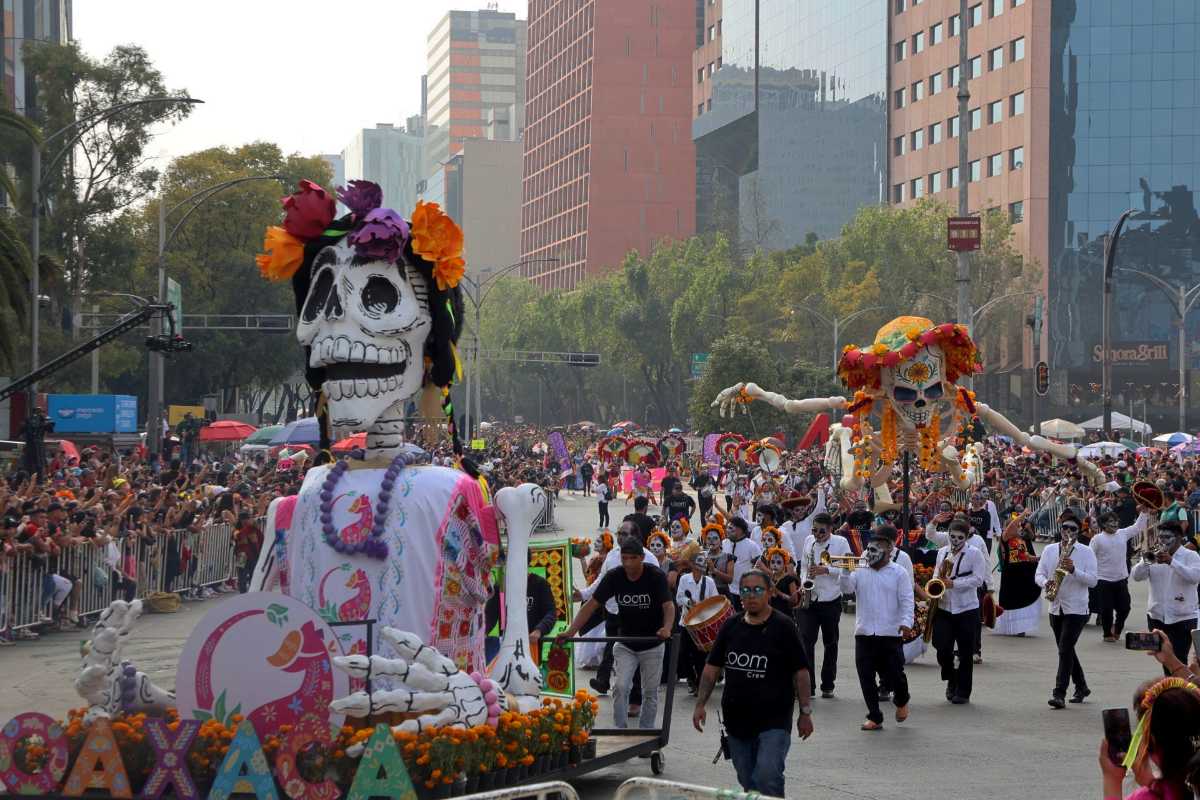
The Gran Desfile de Día de Muertos is a relatively new tradition, started after the James Bond film Spectre made it look cool. Now it’s a real thing. Expect giant skeletons, dancing troupes, and floats covered in flowers. It usually rolls down Paseo de la Reforma toward the Zócalo.
People line the streets hours early, holding kids on shoulders and waving at strangers. It’s crowded, loud, and sweaty, but it’s also pure joy. Bring water, wear comfortable shoes, and don’t expect to move fast.
Ofrendas Everywhere
You don’t need a ticket to see amazing altars. Museums, markets, universities, and even subway stations put up their own ofrendas. Some are tiny and personal, while others are huge and artistic.
 Dia De Muertos En Mexico City
The Monumental Ofrenda in the Zócalo is the star. But the small ones often hit harder. Look for photographs of real people, their favorite cigarettes, a bottle of tequila, a plate of mole.
These aren’t random props—they’re love letters made of objects. That’s why even strangers stop and get misty-eyed. You might too, and that’s okay.
Food You’ll Dream About
Pan de muerto is a sweet, soft bread with a hint of orange blossom. It’s shaped like a bun with bone-like decorations on top, and you eat it with hot chocolate or coffee. It’s basically a hug you can chew.
Street vendors sell sugar skulls, tamales, and calaveritas—little poems that make fun of friends and politicians. The whole city smells like cinnamon, marigolds, and grilled corn. You will gain weight—accept it.
Calaveras, But Make Them Funny
Skeletons here are not grim—they’re dressed as doctors, dancers, or grandmothers. You’ll see calaveras painted on windows, kids’ faces, and even coffee mugs. The message is simple: death is part of life, so you might as well laugh.
That’s why Día de los Muertos feels so human. It doesn’t pretend grief doesn’t exist. It just gives grief a dance floor, a plate of food, and a marigold crown.
 What is el zcalo name three main attractions there - Xalam.blog
How to Join Without Being a Tourist Cliché
If you go to Mexico City in 2025, don’t treat it like a costume party. Paint your face only if you understand the meaning, and ask before photographing people’s altars. Never touch an ofrenda without permission.
Better yet, bring a small offering—a flower, a piece of fruit, or a memory of someone you lost. You don’t have to be Mexican to honor your own dead. The tradition is generous that way.
Locals love sharing their culture, but they also love respect. So learn a few words like gracias and con permiso. Smile, be curious, and don’t call it “Mexican Halloween.”
Why You Should Care Even If You’re Not Mexican
Because everyone loses someone, Día de los Muertos offers a blueprint for facing that loss without shutting down. It says: light a candle, cook their favorite meal, tell their stories. That’s not morbid; that’s healing.
In 2025, Mexico City will be a giant reminder that love doesn’t end when someone dies. It just changes shape. It becomes a marigold, a song, a shared bite of bread.
So mark your calendar for November 1 and 2, 2025. Even if you can’t fly to Mexico, you can make a tiny altar at home. Put a photo on your kitchen table, light a candle, and say their name out loud.
That’s the real magic of Día de los Muertos. It’s not about scaring death away. It’s about inviting memory back in for a visit—and honestly, we could all use a little more of that.
