Will Maggots Go Away On Their Own

Last July, my neighbor found a small, wriggling constellation in her kitchen trash. She did what any reasonable person would do: screamed, sprayed lemon cleaner everywhere, an...

Last July, my neighbor found a small, wriggling constellation in her kitchen trash. She did what any reasonable person would do: screamed, sprayed lemon cleaner everywhere, and shut the lid. Surely they’d leave, right? The next morning, the maggots were still there, looking alarmingly unbothered.
So, will maggots go away on their own? The honest answer is sometimes, but not in the way you hope. They leave when the food runs out, when they finish growing, or when something kills them—so if the source stays, they stay.
What Maggots Are Really Doing
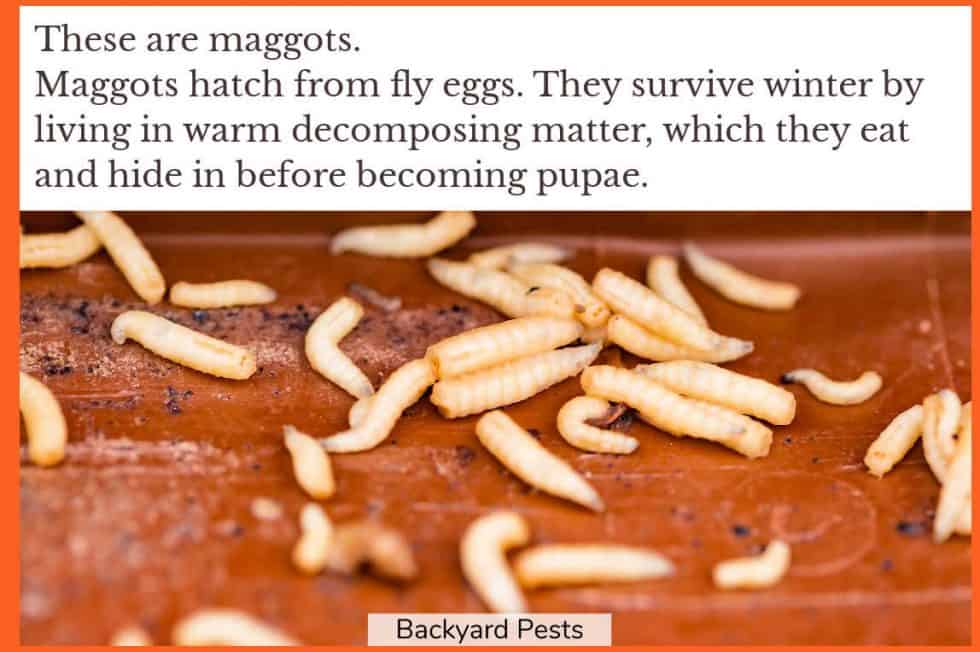
Maggots are the larval stage of flies. Think of them as baby flies with one job: eat. They feed on rotting meat, garbage, pet waste, dead animals, and—unfortunately—wounds.
Must Read
They grow fast, molting several times before forming a hard brown pupa. Then, if all goes well for them and terribly for you, they become adult flies. That’s not a cleanup; that’s a lifecycle.
Will They Go Away Without Help?
If maggots are in a sealed bag of old food, they might eat what’s there and pupate. Eventually, you’d find less wriggling and more weird brown capsules, but the flies that emerge can lay more eggs. Congratulations: you’ve built a tiny fly factory.
If they’re in a compost pile, though, the story changes. Many composters want maggots because they help break down scraps. In that case, “going away” is part of the natural process—context is everything, friend.
If they’re in your kitchen bin, garage, or backyard, they usually won’t vanish quickly enough to satisfy anyone with a nose. You need to remove the source by bagging the trash, cleaning the bin, and checking for hidden bits of rotting food. Yes, even that suspicious yogurt cup—especially that.
 How to Eliminate Maggots Fast and Safely: Get Rid of Maggots in House
The Exception You Should Never Ignore
Maggots on a living animal or person are a different category. This is called myiasis, and it’s not a wait-and-see situation. Fly larvae can feed on tissue, cause infection, and make wounds much worse.
If you see maggots on a pet, livestock, or a human wound, contact a veterinarian or doctor promptly. Medical maggots exist for controlled wound debridement, but that’s done by professionals with sterile species. Random backyard maggots are not a home remedy.
How to Actually Make Them Go Away
Start by finding the source—maggots don’t appear from thin air; they hatch from eggs laid by flies. Look for rotting food, damp pet food, dirty diapers, dead rodents, or forgotten meat. Once you find it, wrap it tightly and put it outside in a sealed bin.
Next, clean the area with hot soapy water or disinfectant, and don’t just wipe; scrub. Maggots can hide in cracks, under bin liners, and along lid rims. If you’re dealing with an outdoor bin, hose it out and let it dry in the sun, because dryness is the enemy of maggots.
 Where Flies Go In Winter: Do They Hibernate Or Die? - Backyard Pests
Some people use diatomaceous earth, vinegar sprays, or beneficial nematodes outdoors. These can help, but they’re not magic. If you don’t remove the food source, you’re basically setting up a spa for pests.
So, Will They Ever Go Away on Their Own?
Eventually, yes—if “eventually” means after they’ve eaten, grown, pupated, and possibly become flies. In a compost bin, that’s fine. In a wound, it’s dangerous. In your kitchen, it’s a cleanup job with a deadline.
The good news is that maggots are rarely a mysterious curse. They’re a sign of moisture, warmth, and rotting organic matter. Remove those, and you remove the maggots. Keep things dry, seal your trash, and check your bins more often than you’d like.
And if you’re tempted to just close the lid and hope for the best, remember my neighbor. She waited one day, and by day three she was outside with rubber gloves, a hose, and a new respect for fly biology. You can learn from her.
