How Many Hands Is A Quarter Horse

Let’s talk about hands. Not the ones holding the lead rope — the measuring kind. If you’ve ever wondered, “How many hands is a Quarter Horse?” you’re in good company. The shor...

Let’s talk about hands. Not the ones holding the lead rope — the measuring kind. If you’ve ever wondered, “How many hands is a Quarter Horse?” you’re in good company.
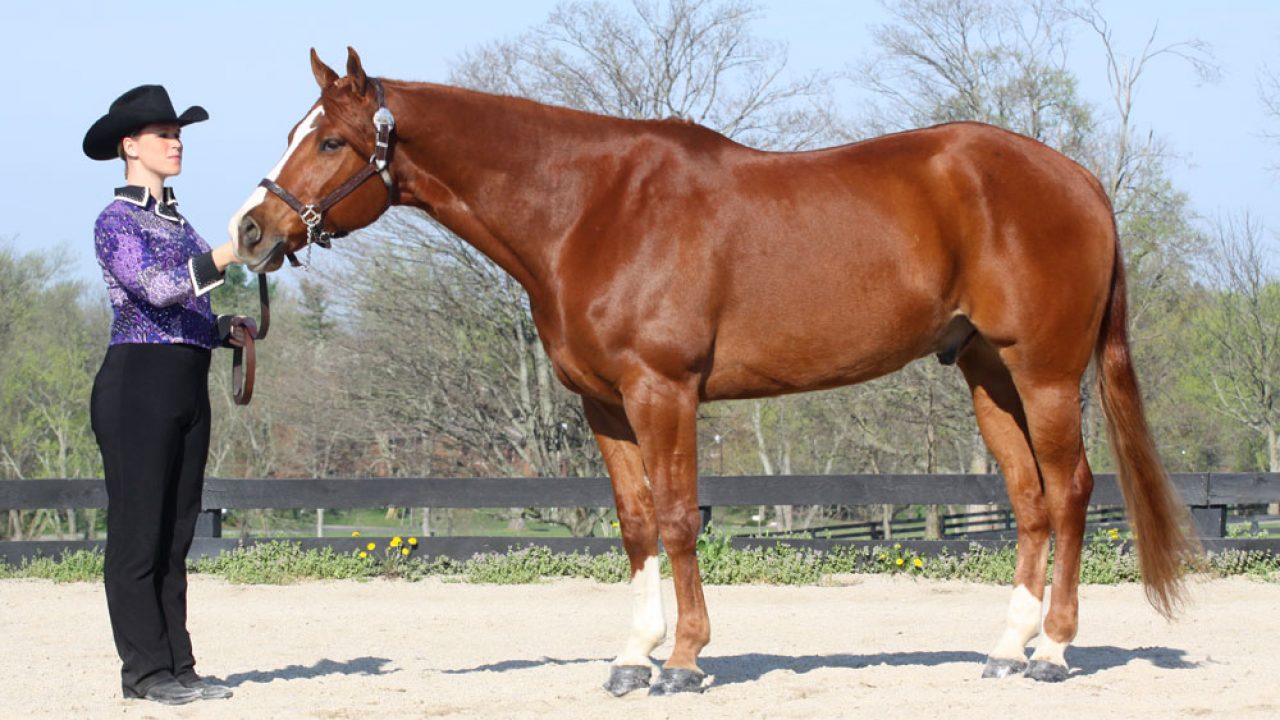
The short answer: most Quarter Horses stand between 14 and 16 hands tall. That works out to roughly 56 to 64 inches at the withers.
In human-height terms, that’s about 4 feet 8 inches to 5 feet 4 inches. So no, your Quarter Horse probably isn’t dunking a basketball.
Must Read
First, What Exactly Is a Hand?
A hand is an old-school horse measurement equal to four inches. Just four. That’s it.
Horses are measured from the ground up to the withers, the highest point of the shoulders. Not the head, not the ears, and definitely not the drama.
Here’s where it gets delightfully weird. A horse who is 15.2 hands is 15 hands plus 2 inches, not 15.2 decimal hands.
So 15.2 hands equals 62 inches. Horse math is basically a secret handshake with hooves.
The Typical Quarter Horse Height
Quarter Horses are the sturdy, athletic, do-it-all buddies of the horse world. They were built to sprint, work cattle, and look fantastic while doing it.
That job description usually calls for a compact, powerful frame. Most stand around 14 to 16 hands, with 15 hands being a very common average.
If you’re picturing a horse about five feet tall at the shoulder, you’re right on target. Add a big rump and a “let’s go” attitude, and you’ve got the picture.
Smaller Quarter Horses
Some Quarter Horses are downright petite by breed standards. Foundation-bred horses and working cow lines can land around 13.3 to 14.2 hands.
That’s still plenty of horse. A 14-hand Quarter Horse can cut a cow, carry a rider, and out-think a puzzle feeder.
Small doesn’t mean less capable. It often means quick, catty, and shockingly hard to catch when you’re late for the vet.
 History Of The Quarter Horse , What Is A Quarter Horse Used For
Taller Quarter Horses
Then you have the leggy ones. Some pleasure, performance, and halter-bred Quarter Horses reach 15.2 to 16.2 hands or more.
Appendix Quarter Horses — those with Thoroughbred blood — can stretch even taller. A 16-hand or 17-hand Appendix is not unheard of.
So yes, Quarter Horses come in a range. They’re like tacos: different sizes, same reliable joy.
What Does the Breed Standard Say?
The American Quarter Horse Association describes the breed as compact, heavily muscled, and generally around 14.2 to 16 hands.
But height isn’t usually the make-or-break detail for registration. Pedigree, breed eligibility, and temperament matter way more.
In other words, a great Quarter Horse isn’t great because of a number. The number just helps you find a saddle that fits.
Why Height Varies So Much
Genetics are the big boss here. If mom and dad are tall, the foal probably will be too.
Nutrition and care matter as well. A young horse with good feed, proper exercise, and regular vet care can reach its full genetic potential.
Age is another factor. Foals grow fast, but horses keep filling out and maturing for several years.
Discipline and breeding also play a role. A reining prospect may be built lower and quicker, while a hunter under saddle type may be taller and longer-legged.
How to Measure a Quarter Horse
Stand your horse on level ground. That part is non-negotiable, unless you enjoy math problems with hooves.
 How Big Is a Hand Measurement for Horses
Use a measuring stick or height tape at the withers. Keep the horse’s head in a natural position so they don’t cheat by stretching like a cat.
Write the height in hands and inches. For example, 15.1 hands means 15 hands plus 1 inch, or 61 inches total.
Does Height Actually Matter?
For saddle fit, mounting, and rider comfort, yes. A shorter rider may feel happier on a 14.2-hand horse, while a taller rider might prefer 16 hands.
For performance, it depends on the job. Some disciplines reward compact power, and others reward a longer stride.
But the best horse for you is the one you feel safe and happy on. That matters more than a measurement on a stick.
The Heart Is Not Measured in Hands
Here’s the truth: Quarter Horses are famous for try. They show up, they work hard, and they usually want to be your friend.
A 14-hand Quarter Horse can carry a cowboy all day. A 16-hand Quarter Horse can win a pleasure class and still babysit a nervous beginner.
So when someone asks how many hands a Quarter Horse is, give them the range. Then tell them the real measurement is in heart.
And maybe in how many cookies they’ll accept. Spoiler: all of them.
Whether your dream horse is 14.2 or 16.1, the right one will feel exactly the right size. Probably because they’re standing on your foot.
Now go give a Quarter Horse a pat. They’ve earned it, no matter how many hands tall they happen to be.
