Is It Safe To Drink Dc Tap Water

If you live in D.C., you’ve probably done it: filled a glass from the kitchen tap, stared at it like it might reveal secrets, and taken a sip. Maybe you shrugged. Maybe you sn...
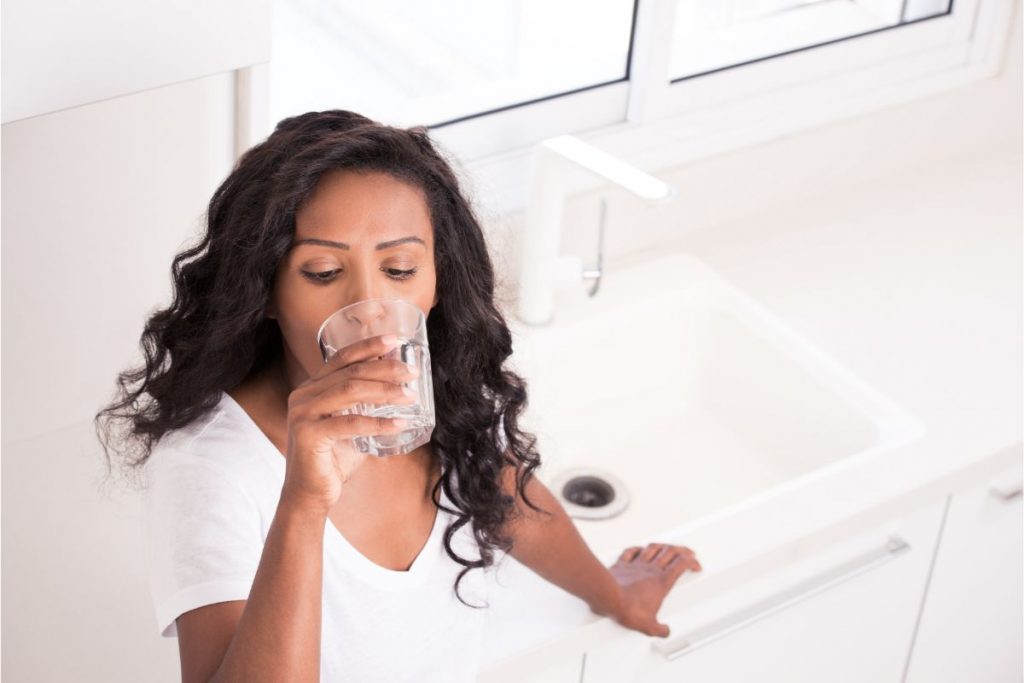
If you live in D.C., you’ve probably done it: filled a glass from the kitchen tap, stared at it like it might reveal secrets, and taken a sip. Maybe you shrugged. Maybe you sniffed it first, because tap water has a personality. The good news? D.C. tap water is generally safe to drink, and it’s tested a lot more than your neighbor’s “secret” chili recipe.
That doesn’t mean every tap in every building is perfect. Like most city water stories, there’s a but. The water leaving the treatment plant is safe, but what happens in old pipes can add a plot twist.
Yes, It’s Safe—With An Asterisk
D.C. Water pulls from the Potomac River and treats it at plants like Dalecarlia and McMillan. The water is filtered, disinfected, and checked for things you don’t want in a beverage, like bacteria and heavy metals. It meets EPA standards, which are basically the health equivalent of a strict teacher with a clipboard.
Must Read
So when people ask, “Is D.C. tap water safe?” the honest answer is: for most people, yes. You can drink it, cook with it, and make ice cubes that won’t glow in the dark. It’s treated, monitored, and tested thousands of times a year.
What’s Floating In There?
You might taste chlorine or chloramine, which are disinfectants used to keep germs out. Think of them as a bouncer at a club: not here to be your friend, just here to keep trouble away. D.C. also adds fluoride, which helps teeth, and leaves behind minerals that can make water taste a little “hard.”
If your tap water tastes like a swimming pool had a baby, that’s usually the disinfectant. Chill it in the fridge, or run it through a filter. A cold glass tastes way better than a lukewarm one, anyway.
The Lead Pipe Problem
Here’s the part that makes people squint. D.C. had a serious lead issue in the early 2000s, and old buildings still have lead service lines or plumbing. Lead isn’t coming from the river. It can leach from pipes, especially if water sits still for a while.
 Is DC Tap Water Safe To Drink?
D.C. Water now uses corrosion control to coat pipes and reduce lead from getting into water. It also has a lead service line replacement program. But if your home was built before the 1980s, you might still have lead somewhere in the system.
This is like pouring fresh coffee into a mug that wasn’t washed. The water is safe at the plant; the pipes in your building are the wild card.
How To Be A Smart Sipper
If your tap has been off for hours, run the cold water for 30 seconds to 2 minutes before drinking or cooking. Use cold water for baby formula, coffee, and soup. Hot water can pull more lead out of pipes, so don’t use the hot tap for things you’ll eat or drink.
You can also get a filter certified to remove lead. D.C. Water offers free lead testing for homes, which is a pretty great deal. And please don’t boil water to get rid of lead. Boiling doesn’t remove lead; it just concentrates it, like reducing a sauce but with a much worse outcome.
 Is DC Tap Water Safe To Drink?
Taste, Trust, And Tiny Weirdnesses
Some people love D.C. tap water. Some people think it tastes like pennies and regret. Taste is personal, and it can change block by block. A filter pitcher or a chilled bottle solves most complaints without turning your kitchen into a science lab.
Aquarium owners need to treat tap water for chloramine, because fish are not fans of disinfectants. People on dialysis also need special water precautions. For the average healthy adult, though, a glass of D.C. tap water is not a dare.
If you’re pregnant, have an infant, or live in an older home, be extra careful. Test your water, use a filter, and let the tap run before filling your glass. That’s not paranoia; that’s just being a grown-up with a flashlight.
The Bottom Line
D.C. tap water is safe to drink for most people, and it’s heavily regulated. The main concern is lead from old plumbing, not the water itself. If your pipes are modern or you take simple precautions, you can sip without spiraling.
So go ahead: fill that glass, add ice, and toast to living in a city where the water is basically fine. If you still side-eye the tap, a filter is cheaper than buying bottled water forever. And your houseplants won’t judge you either way.
