Best Time To Go To Kullu Manali

Kullu Manali doesn’t have one perfect season. It has several, each with a different personality. The trick is matching the valley’s mood to yours. Spring: When the Valley Wake...
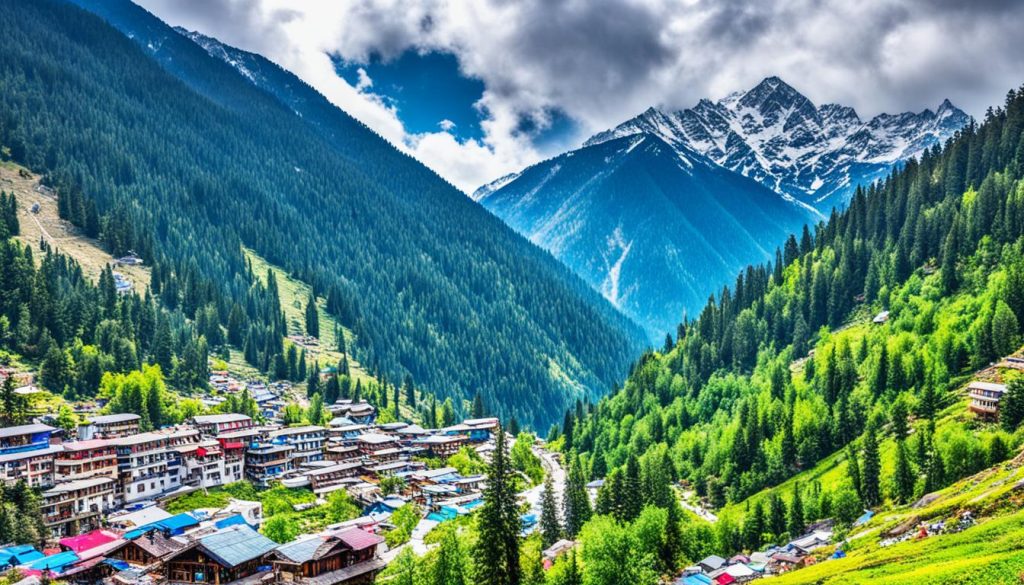
Kullu Manali doesn’t have one perfect season. It has several, each with a different personality. The trick is matching the valley’s mood to yours.
Spring: When the Valley Wakes Up
From March to May, the snow starts retreating and the orchards begin to blush. Apple blossoms, wildflowers, and crisp mountain air make this a photographer’s dream. Days are pleasant, though evenings still call for a light jacket.
Spring is also quieter than summer. You can wander Old Manali, visit Hadimba Temple, and soak in the Vashisht hot springs without elbow-to-elbow crowds. It’s a lovely time for easy hikes and lazy café afternoons.
Must Read
Summer: The Classic Escape
April to June is peak season, and for good reason. The plains are sweltering, while Manali stays cool enough for sweaters at night. Families, honeymooners, and backpackers all arrive in force.
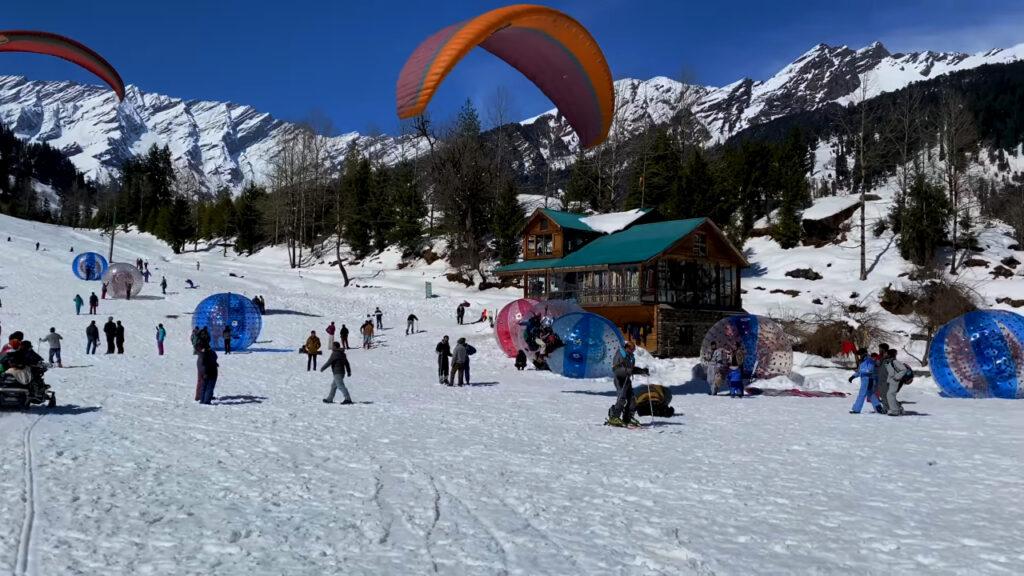
Expect higher hotel rates and busy roads, especially around Atal Tunnel and Solang Valley. Book stays and buses weeks in advance if you’re travelling in May or June. Adventure lovers can try paragliding, river rafting in Kullu, and ziplining.
Summer is also when local markets overflow with Kullu shawls, wooden crafts, and juicy stone fruits. The energy is contagious, but solitude is scarce.
Monsoon: Green, Moody, and a Little Wild
July and August turn Kullu Manali into a lush, misty watercolour. Waterfalls thunder, rivers swell, and the scent of wet pine fills the air. It’s romantic if you love drama and don’t mind unpredictability.
That said, monsoon brings landslides, roadblocks, and leeches on some trails. Travel plans should stay flexible, and checking weather updates is non-negotiable. Many locals welcome the rain because it feeds the apple crop.
If you visit now, choose lower-altitude walks and keep a buffer day. Avoid remote treks and river crossings after heavy rain.
Autumn: The Golden Sweet Spot
September to November might just be the best time overall. The monsoon clears out, the sky turns startlingly blue, and snow dusts the higher peaks. Days are sunny, nights are chilly, and the views feel freshly washed.
This is also festival season. Kullu Dussehra, usually held in October, is a spectacular week-long affair with village deities, processions, and vibrant local culture. Unlike many Dussehra celebrations, this one begins when the rest of India’s ends.
 How to Reach the Golden Temple, Amritsar by Train, Bus, Car or Flight!
Autumn is perfect for honeymooners, photographers, and anyone who wants comfort without summer chaos. Book early around Dussehra, because the valley fills up fast.
Winter: Snow, Silence, and Slow Days
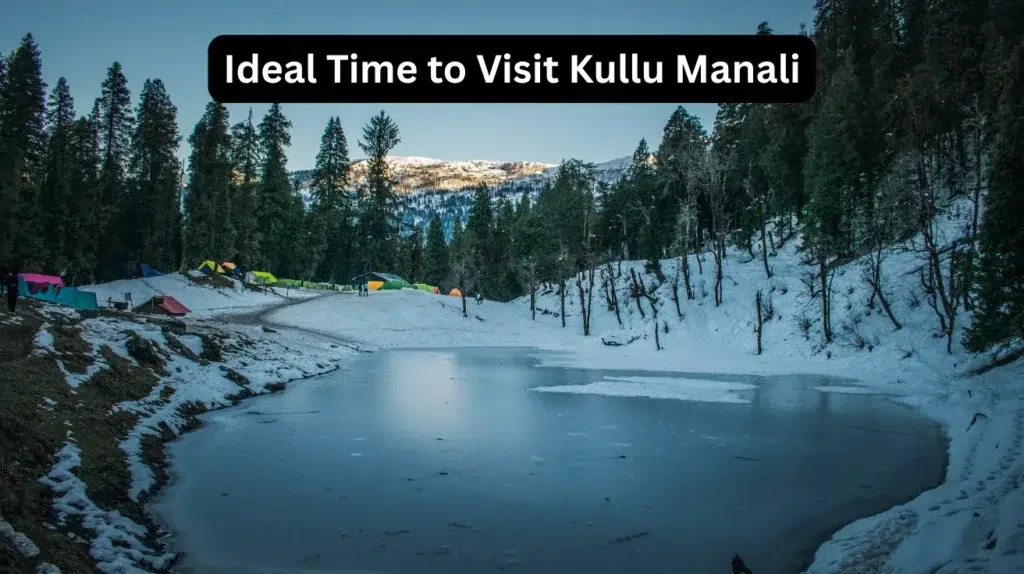
December to February is for snow chasers and quiet seekers. Manali gets cold, sometimes below freezing, and upper reaches turn into a white wonderland. Rohtang Pass and many high roads close, so don’t expect full access.
Lower areas like Old Manali and Vashisht remain charming, with wood-smoke cafés and fewer tourists. Carry proper thermals, waterproof boots, and layers. Snow can disrupt travel, but it also brings magical mornings.
If you’re lucky, you’ll see Solang Valley under fresh powder. Just check road conditions before heading out.
Practical Tips Before You Book
Book smart, pack smarter
Summer and autumn are busiest, so reserve hotels and transport early. Even in spring, weekends from Delhi can get surprisingly crowded. Always pack layers, sunscreen, and a reusable water bottle.
Festivals and food
Try siddu, hot rajma-chawal, trout fish, and local apples. Kullu Dussehra is a cultural highlight, while Himachal Day in April adds local pride. Respect temple customs and ask before photographing people.
Roads, passes, and permits
Atal Tunnel has made Lahaul more accessible, but weather still rules the mountains. Rohtang Pass may need a permit and is often closed in winter. For smooth travel, start early and avoid night driving on hill roads.
Month-by-Month Quick Read
March–April: blossoms, mild days, fewer crowds. May–June: peak summer, best for adventure, book everything. July–August: lush but risky, go slow and stay flexible.
 How To Go Kullu Manali From Delhi: Best Travel Routes & Tips » Singh
September–October: clear skies, festivals, ideal for almost everyone. November: crisp and quiet before winter bites. December–February: snow, cold nights, and limited high-altitude access.
Culture, Apples, and Mountain Manners
Kullu Valley is often called the Valley of Gods, and local festivals reflect that devotion. Village deities are carried in palanquins, drums echo through the hills, and hospitality feels genuine. A simple namaste goes a long way here.
Apples are the valley’s pride, and you’ll see orchards everywhere. Try fresh juice, apple cider vinegar, and jams from local producers. Buying directly from small sellers supports families through the season.
Hill roads demand patience. Honk gently on blind curves, give way to uphill traffic, and never treat mountain driving like a race. Locals know the rhythm; visitors should follow it.
What to Pack, Whatever the Season
Layers are your best friend in Kullu Manali. Even summer evenings can surprise you with a chill. Add sunscreen, sunglasses, a hat, and sturdy shoes.
In monsoon, pack quick-dry clothes and a waterproof bag. In winter, thermals and gloves aren’t optional. A power bank helps because cold drains batteries fast.
Keep cash for small cafés and taxis, though UPI works in many places. Carry basic medicines and a copy of your ID. Most of all, leave room in your bag for Kullu shawls.
A Final Thought
The best time for Kullu Manali depends on what you want from it. Summer gives you easy adventure, autumn gives you clarity and culture, winter gives you snow, and monsoon gives you green drama. None is wrong; they’re simply different chapters.
Maybe that’s the quiet lesson for daily life too. You don’t always need the perfect moment to enjoy where you are. Sometimes you just need to dress for the weather, stay flexible, and let the season show you something unexpected.
