How To Hang A Headboard On Wall

Your bed deserves a crown. A headboard doesn’t just finish the look; it anchors the room, gives you a soft place to lean, and tells your pillows they have a purpose. The wall-...

Your bed deserves a crown. A headboard doesn’t just finish the look; it anchors the room, gives you a soft place to lean, and tells your pillows they have a purpose. The wall-mounted kind is especially clever when floor space is tight or your bed frame refuses to cooperate.
Hanging one yourself is less scary than it sounds. You need a few tools, a little patience, and a willingness to measure twice. Think of it as hanging a very large, very important piece of art—one you’ll nap against.
Why Go Wall-Mounted?
A traditional headboard attaches to the bed frame. A wall-mounted version floats free, which means no wobbling, no lost floor space, and no wrestling with mysterious bolts from a flat-pack past. It’s a favorite trick in small apartments, rentals, and rooms with awkward architecture.
Must Read
There’s a cultural nod here, too. Japanese futon rooms often skip headboards entirely, while Moroccan riads layer textiles and carved wood against walls. In Western interiors, the upholstered headboard became a hotel-luxury staple and then a DIY rite of passage.
Fun fact: before central heating, headboards and canopies helped block drafts and falling debris. They were practical before they were pretty. Now they’re both.
Gather Your Kit
You’ll need a stud finder, a level, a tape measure, a pencil, a drill, and screws or bolts rated for your headboard’s weight. For drywall without studs, use heavy-duty toggle anchors. For plaster, go slow and use a masonry bit if needed.
A French cleat or Z-clip system makes life much easier, especially for upholstered pieces. Also grab a friend, because headboards are awkward and holding one while drilling is a circus act best avoided. If you’re renting, check your lease before putting big holes in the wall.
Command strips are not a headboard solution, no matter what the internet says. Save them for posters and lightweight mirrors. Your future self, half-asleep and leaning back, will thank you.
Find the Right Height
Standard advice: the top of the headboard should sit about 24 to 30 inches above the mattress, or roughly 4 to 6 inches above your pillow stack. Sit on the bed and lean back. Your head should land on the upholstery, not the wall or the frame.
 Attaching a Headboard to Any Bed Frame: Step-by-Step Guidelines (Winter
Measure from the floor or mattress, mark lightly, and check with a level. If your bed sits low, raise the headboard a touch. If you have a thick mattress, don’t guess—your neck will thank you.
For a modern floating look, some people align the bottom of the headboard with the top of the mattress. Others prefer a taller backdrop for reading or watching late-night movies. There’s no single right answer, only the one that feels comfortable.
Locate Studs and Mark
Run your stud finder across the wall and mark the edges with pencil. Studs usually sit 16 or 24 inches apart, but old houses love surprises. If your mounting points don’t line up with studs, use toggle anchors in the drywall and add a wall cleat to spread the load.
Hold the headboard in place and lightly trace its top corners. Or better: measure the distance between mounting brackets on the back, then transfer that to the wall. Measure twice, drill once is not a cliché here—it’s self-preservation.
Install the Mounting System
French Cleat
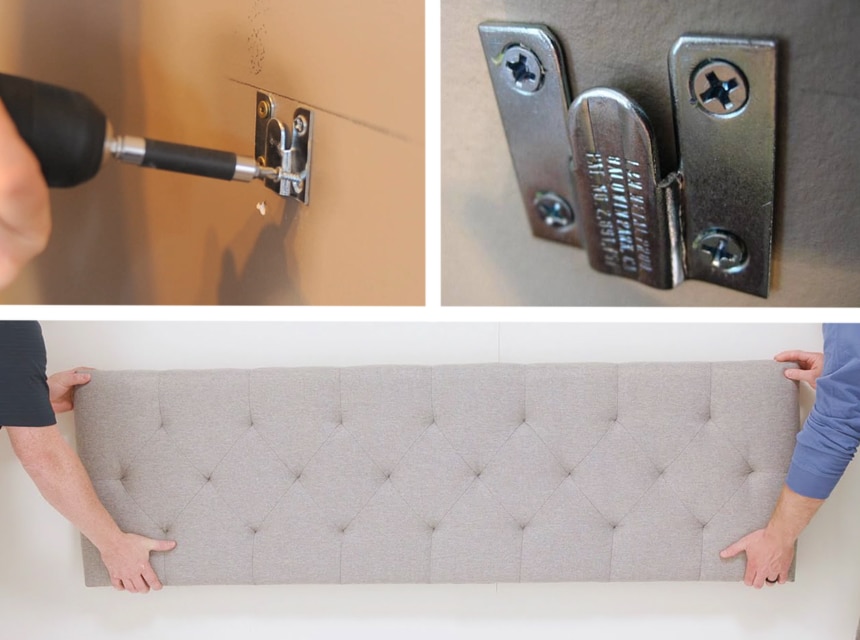
A French cleat is two interlocking angled pieces: one on the wall, one on the headboard. It’s strong, hidden, and forgiving if your level is slightly off. Screw the wall piece into studs, then attach the headboard piece and lift it into place.
Listen for the satisfying click of things going right. If you miss the stud, don’t panic—patch the hole and try again. A French cleat can also be shimmed for minor wall irregularities.
Z-Clips or Keyhole Brackets
Z-clips work well for lighter wooden headboards. Keyhole brackets are discreet but demand precise alignment. Mark, drill, and test-fit before final tightening.
 Best Way To Attach A Headboard To The Wall at Zara Ramirez blog
If you feel yourself sweating, that’s normal. This is the part where patience pays rent. A level and a pencil are your best friends here.
Bolts and Brackets
For heavy upholstered or solid wood headboards, use lag bolts into studs or a steel bracket system. Don’t rely on drywall anchors alone for something you’ll lean on. Gravity is patient.
Finishing Touches
Once mounted, give it a gentle push. If it shifts, tighten or add a bracket. Cover screw heads with matching paint or felt pads if they peek out.
Style the bed with layered pillows, a throw, and maybe a small shelf or sconce above. Keep the sconce low enough for reading, unless you want to exercise your arms at midnight. A well-hung headboard makes even a Monday morning feel slightly more cinematic.
Fun cultural reference: in old Hollywood films, the headboard was often a dramatic focal point—tufted, curved, almost a character. You don’t need velvet ropes, but you can borrow that sense of occasion. Your bedroom is a set, and you’re the star who also does laundry.
A Small Daily Anchor
Hanging a headboard is mostly measuring, drilling, and trusting your pencil marks. But it’s also a quiet upgrade to the way you begin and end each day. You lean back, exhale, and the room holds you a little better.
That’s the real payoff. Not perfection, not a magazine spread—just a wall that feels intentional and a bed that feels finished. And honestly, that’s a lovely thing to come home to.
