Is Uber Cheaper Than A Taxi Cab

It’s 11:47 p.m., the concert just ended, and your phone says an UberX will cost $31. The taxi line is twenty people deep, but the meter starts at $3.50. Suddenly, the question...
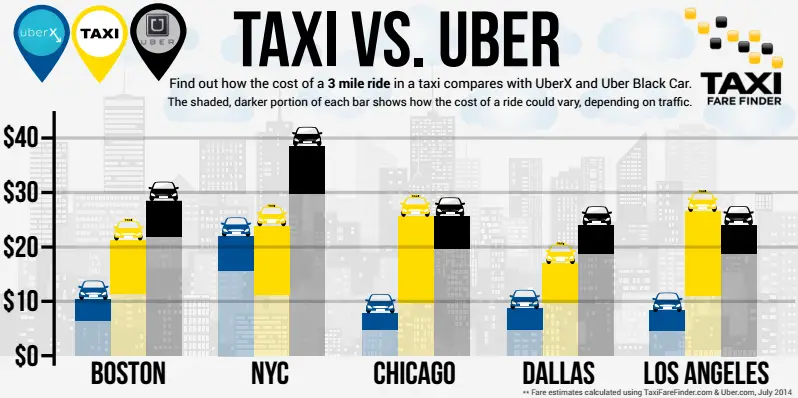
It’s 11:47 p.m., the concert just ended, and your phone says an UberX will cost $31. The taxi line is twenty people deep, but the meter starts at $3.50. Suddenly, the question isn’t philosophical—it’s personal.
So, is Uber cheaper than a taxi cab? Sometimes. The honest answer depends on your city, the hour, the weather, and whether a stadium just emptied.
The Meter vs. The Algorithm
Taxi fares are usually regulated. A city sets the base rate, the price per mile, the price per minute, and the extra charges for airports or late nights.
Must Read
Uber uses dynamic pricing. When demand spikes, the algorithm raises prices until enough drivers log on. That’s why a ride can cost $12 at 2 p.m. and $48 at 2 a.m.
Both systems add tolls, surcharges, and booking fees. Uber often shows the total upfront. Taxis usually run the meter, so the final number can surprise you.
Fun fact: the taximeter was patented in 1891. Uber launched as UberCab in 2010. The century between them did not make the math simpler.
Where Uber Usually Wins
For short trips in a big city, UberX often beats a taxi. No cash, no card machine that “isn’t working,” and no awkward math at the curb.
Tipping can flip the result, too. Uber tips are optional and in-app. Taxi tipping is customary, often 15 to 20 percent, which on a $20 ride means $3 to $4.
In suburbs or small towns, taxis may barely exist. Uber might be the only option, which makes “cheaper” a bit of a moot point.
Off-peak hours are Uber’s sweet spot. Mid-morning, early afternoon, and quiet weeknights usually mean no surge and quick pickups.
Where Taxis Take the Lead
Surge pricing is the taxi’s best friend. When rain hits, bars close, or a game lets out, Uber can double or triple. The taxi meter stays steady.
Airports often favor taxis. New York’s JFK-to-Manhattan flat fare is a famous example. It can undercut Uber when surge is ugly.
 Uber Vs Taxi: Which Is Cheaper in London 2025?
Some cities give taxis special access. London’s black cabs can use certain bus lanes, and taxi stands put you at the front of the line. Uber drivers may be stuck circling.
Taxi drivers also know the streets without GPS. That local knowledge can save time in a maze of one-way roads or construction detours.
The Hidden Math: Tips, Fees, and Waiting
Uber’s upfront price feels final, but it isn’t always. Wait time, tolls, and cleaning fees can appear later. Still, you usually know the damage before you tap.
Taxis can add airport fees, late-night surcharges, and luggage charges. A $22 meter can become $31 by the time you reach the hotel.
Practical tip: compare both before you commit. Open Uber and a taxi app like Curb, Gett, or Free Now. In many cities, taxi apps now give estimates, too.
Another tip: walk one block away from the concert or stadium. Surge zones are greedy. A five-minute stroll can drop the price by 10 to 30 percent.
If you’re at a hotel, ask the doorman. They often know whether the taxi stand or the app is faster. That’s free local intelligence.
A Few Real-World Snapshots
New York City
Yellow cabs and UberX often land in the same ballpark. During rush hour or rain, Uber surges while the meter crawls. At JFK, the flat fare can be a quiet win.
London
Black cabs are brilliant but pricey. Uber is usually cheaper, especially outside Zone 1. During a tube strike, though, all bets are off.
Small Towns
If there’s no taxi company, Uber wins by default. If there’s no Uber, the taxi wins by default. Economics gets very simple at 2 a.m.
 What Is Uber Ride Pass? | CitizenSide
Practical Tips That Save Real Money
Check both apps. It takes thirty seconds. That’s less time than arguing about who pays.
Avoid surge o’clock. Wait ten minutes, grab a slice, or walk to a quieter pickup spot. Surge fades fast.
Know airport rules. Some airports charge Uber extra for pickup, while taxis may have flat rates or surcharges. Read the signs.
Split the ride. Uber makes splitting easy, while taxis require trust and exact change. Choose your friends wisely.
Use loyalty and promos. Uber sends promo codes when you haven’t opened the app in a while. Taxi apps sometimes do the same.
Cultural reference: in Taxi Driver, Travis Bickle asks, “You talkin’ to me?” In real life, the better question is, “What’s the total?”
The Bottom Line
There is no universal winner. Uber often wins off-peak, on short trips, and when you want a cashless, upfront price.
Taxis often win during surge, at airports with flat rates, and when you can simply raise an arm. The cheapest ride is the one that fits the moment.
So next time you leave dinner, don’t default to the same app. Peek at both, check the wait, and do the tiny math.
Then get home safely, with a few dollars still in your pocket and a decent story for tomorrow. That’s the real luxury.
