How Long Can You Stay In Italy

So you’ve fallen hard for Italy. The pasta, the piazzas, the way strangers say ciao like you’re already friends. Now you’re wondering how long you can actually stay before som...

So you’ve fallen hard for Italy. The pasta, the piazzas, the way strangers say ciao like you’re already friends. Now you’re wondering how long you can actually stay before someone politely asks you to leave.
The short answer depends on one big thing: your passport. The longer answer involves Schengen rules, visas, and a little math that may require a second espresso.
The Magic Number for Many Travelers: 90 Days
If you’re from the U.S., U.K., Canada, Australia, New Zealand, or many other non-EU countries, you can usually stay 90 days in Italy without a visa. But here’s the catch: that’s 90 days in any 180-day period across the whole Schengen Area, not just Italy.
Must Read
Yes, the Schengen zone includes Italy, France, Spain, Germany, Greece, and a bunch of other European favorites. So if you spend a month in Paris, two weeks in Barcelona, and then head to Rome, those days count too.
The 90/180 rule is like a rolling window. It follows you around, and it does not care that you were “only in Italy for a week.”
How the 90/180 Rule Actually Works
Imagine you have a bucket of 90 days. Every day you spend in Schengen dips into that bucket.
After 180 days, the oldest days fall out, and you earn them back. It’s not a reset at midnight on January 1, and it’s not per country.
Use an official Schengen calculator before you book that extra week. Guessing is how people end up with a very sad airport story.
The London Trick That Isn’t a Trick
A quick trip to London does not reset your 90 days. It just pauses the count while you’re outside Schengen.
You still need to wait for older days to roll out of the 180-day window. So no, hopping to the U.K. for a weekend won’t buy you a fresh 90 days.
Some nationalities have special bilateral agreements with Italy, but they’re rare and specific. Don’t assume you’re covered—ask the Italian embassy.
EU, EEA, and Swiss Citizens: Basically Unlimited
If you hold an EU, EEA, or Swiss passport, you can stay in Italy as long as you want. No visa needed.
You can work, study, retire, or open a tiny gelato stand, assuming you handle the permits. After three months, you may need to register with the local comune.
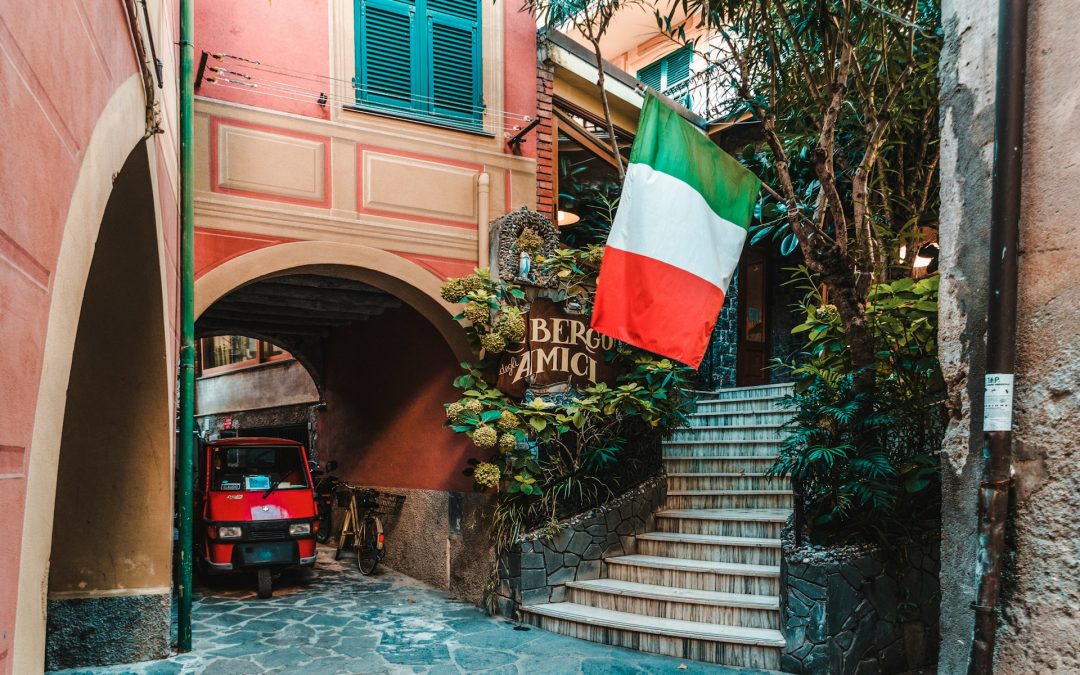 Seasonal Stays Italy: How Long Should You Stay (2 Weeks vs 1 Month vs 3
It’s paperwork, but it’s not the scary kind. Think of it as Italy’s way of saying, “Welcome, now please fill out this form.”
Want to Stay Longer Than 90 Days?
For non-EU folks, staying longer means switching from tourist mode to visa mode. You generally need to apply before you arrive, not while sipping espresso in Florence.
Popular options include student visas, work visas, family reunification, elective residence visas, and Italy’s newer digital nomad visa for remote workers.
There’s also the permesso di soggiorno, the residence permit you apply for after arriving with the right visa. It’s your golden ticket to stay legally.
Student Visa
Enroll in a university or language course, and you may get a visa for the length of your program. You’ll need proof of enrollment, housing, and funds.
Plus, you might be allowed to work part-time. Just don’t expect to fund a villa in Tuscany with a few shifts.
Work Visa
Italy’s work visa usually requires an employer to sponsor you. The famous Decreto Flussi sets quotas for foreign workers each year.
It’s competitive, bureaucratic, and not for the faint of heart. But if you have a job offer, it can be a real path.
Digital Nomad Visa
Italy introduced a digital nomad visa for remote workers who can prove income and health insurance. It lets you live in Italy while working for a foreign employer.
Requirements are specific, so check the latest rules. The dream is real, but the paperwork is, too.
 How long can a tourist stay in italy photos - Tripsteru.com
Elective Residence Visa
This one is for people with passive income, like pensions or investments. You need to show you can support yourself without working in Italy.
You’ll also need housing and health insurance. It’s a lovely option if your bank account is feeling generous.
What Happens If You Overstay?
Overstaying is a bad idea. You could face fines, deportation, and a ban from the Schengen Area for months or years.
It can also make future visa applications much harder. No one wants to be remembered by immigration as “that person who ignored the 90 days.”
If you realize you’ve miscalculated, talk to an immigration lawyer or your consulate immediately. Burying your head in the sand only works for ostriches.
Taxes and Other Grown-Up Stuff
Staying a long time can make you a tax resident of Italy. The common threshold is 183 days, though other factors can matter.
That means you may need to file Italian taxes. Fun, right? But it also means you’re officially part of the daily rhythm.
Healthcare access also changes with your status. EU citizens can use certain health services; non-EU residents may need private insurance or enrollment in the national health service.
The Bottom Line
For many visitors, Italy says ciao for 90 days in any 180-day period. EU citizens can stay indefinitely, and non-EU travelers can unlock longer stays with the right visa.
So yes, you can absolutely live out your Italian fantasy. You just have to respect the calendar, the paperwork, and the charmingly complicated bureaucracy.
Now go practice your hand gestures. Italy is waiting, and it’s got plenty of room for you—as long as your passport and permit agree.
