Do Peppers Need A Lot Of Sun

Peppers are sun worshippers. They want a bright spot. Give them six to eight hours of direct sunlight, and they usually reward you. But “a lot” depends on where you garden. In...
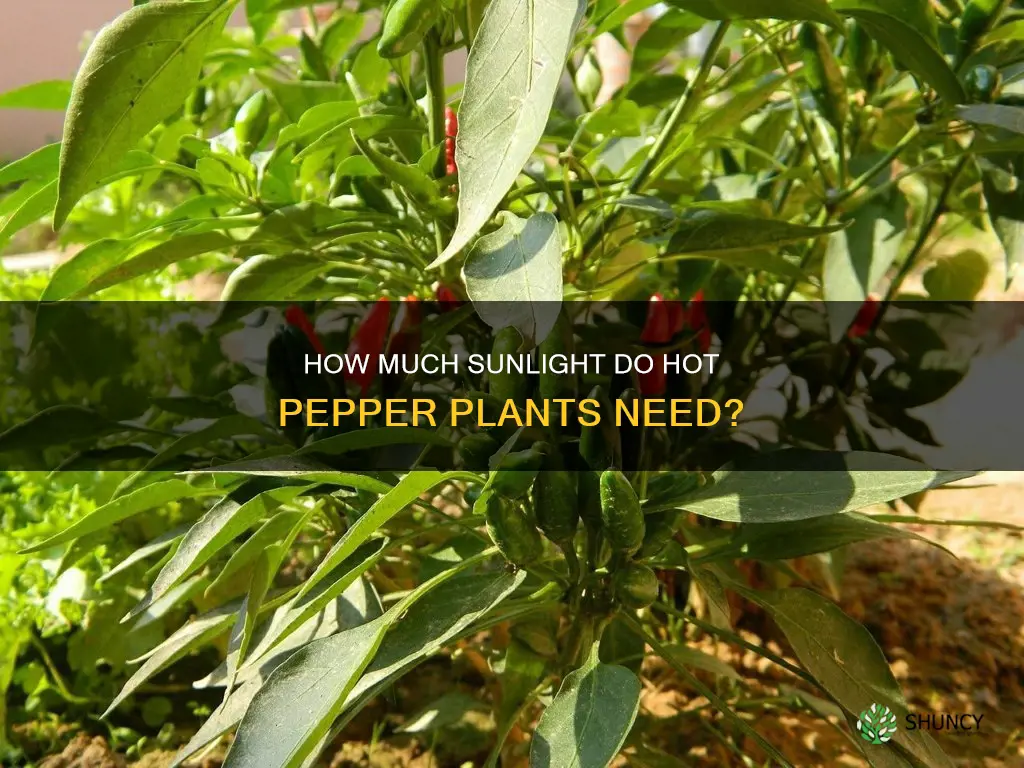
Peppers are sun worshippers. They want a bright spot. Give them six to eight hours of direct sunlight, and they usually reward you.
But “a lot” depends on where you garden. In cool climates, peppers beg for every ray. In scorching deserts, they may prefer a little afternoon shade.
Short answer? Yes, most peppers need plenty of sun. But plenty is not the same as punishment.
Must Read
Why Sun Matters
Peppers come from warm, sunny regions in the Americas. They evolved to soak up light. Sunlight powers photosynthesis, the engine that builds leaves, flowers, and fruit.
Without enough light, pepper plants get leggy. They stretch toward the window like a houseplant with drama. They may still flower, but the harvest is often tiny.
More sun usually means more flowers. More flowers can mean more peppers. That is the simple math of a sunny garden.
Six Hours Is the Magic Number
Most pepper varieties want six to eight hours of direct sun each day. Eight is better in mild summer areas. Six can work if the light is intense and the days are long.
Bell peppers, jalapeños, habaneros, and banana peppers all follow this rule. They are not vampires. They do not need midnight moonlight.
Fewer than six hours? You might get a sad, spindly plant. It will look like it is waiting for a bus that never comes.
But Wait—Too Much Sun Is a Thing
Peppers can get sunburned. Yes, really. The fruit can develop pale, papery patches called sunscald.
This happens when harsh afternoon sun hits exposed peppers. It is especially common after pruning or a sudden heat wave. The plant loses its leafy umbrella.
Sunscald does not usually kill the plant. But it makes the fruit ugly and prone to rot. Not exactly a salad champion.
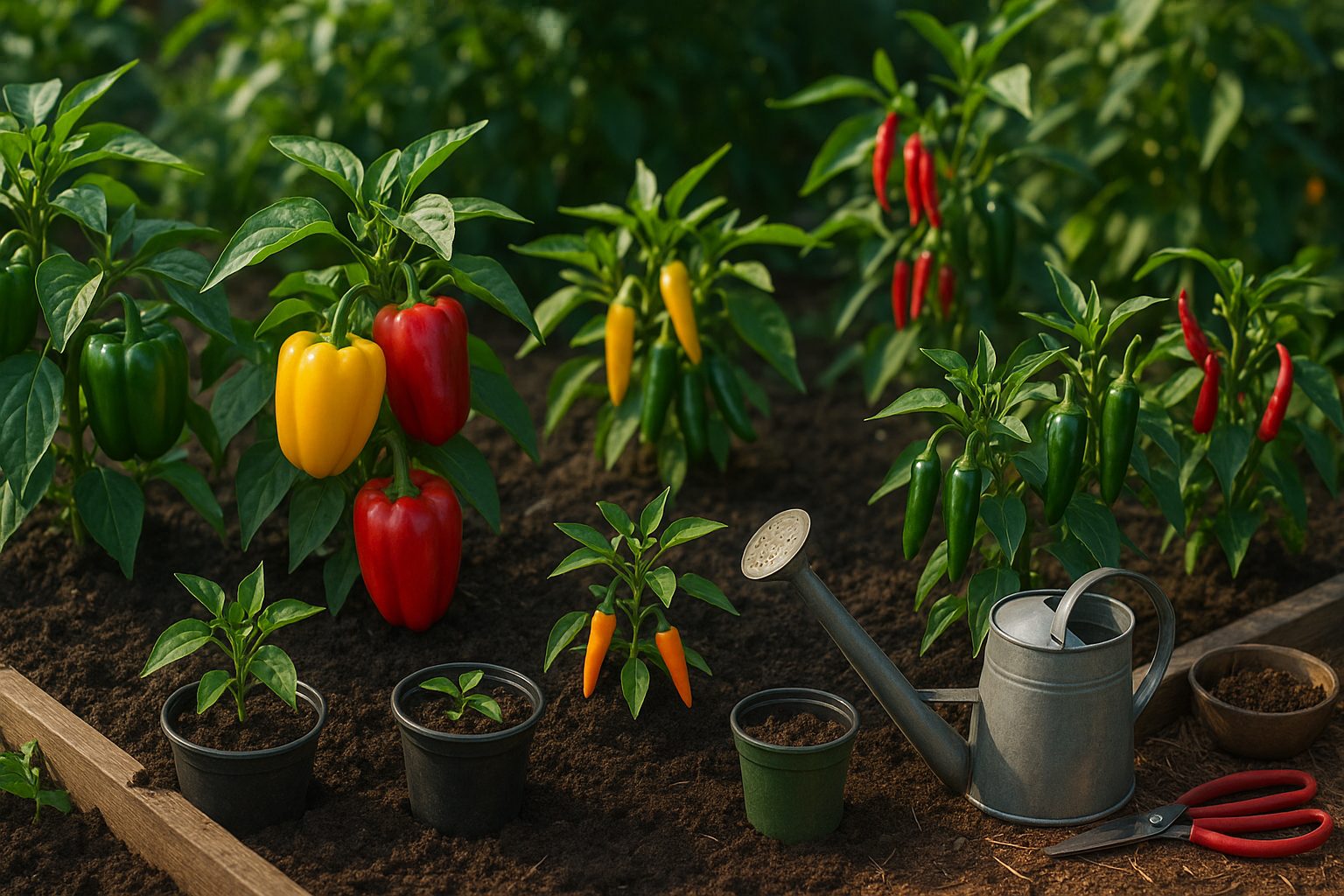 Do Bell Peppers Need Full Sun?
Leaves Are Little Sun Umbrellas
Healthy pepper plants use leaves to shade their fruit. That is one reason you should not over-prune. A naked pepper plant is a sunburned pepper plant.
Some gardeners plant peppers close enough to touch leaves. This creates a living canopy. The fruit gets dappled light instead of a laser beam.
In very hot places, a 30% to 50% shade cloth can help. Use it during the worst afternoon hours. Morning sun is still welcome.
Heat and Light Are Not the Same
Peppers love sun, but they also love warmth. Cold soil makes them sulk. They may turn purple, drop leaves, or just sit there like a grumpy cat.
Wait until nights stay above 55°F before planting them outside. Warm soil matters as much as bright sky.
When temperatures climb above 90°F, pepper pollen can fail. Flowers may drop without making fruit. That is heat stress, not a sunlight shortage.
Containers Change the Rules
Peppers grow beautifully in pots. A container can be moved to follow the sun. It can also be moved to escape a brutal afternoon.
Use a pot that holds at least three to five gallons. Smaller pots dry out fast. They also heat up like tiny ovens.
On a balcony, rotate the pot every few days. Otherwise, one side becomes a jungle and the other becomes a stick.
 How Much Sunlight Do Pepper Plants Need For Optimal Growth | ShunCy
Indoor Peppers Need a Fake Sun
You can grow peppers indoors. But a dim windowsill is usually not enough. Use a grow light for robust plants.
Keep the light close, but not touching the leaves. Run it for 12 to 16 hours a day. Peppers do not need beauty sleep in the same way.
Without strong light, indoor peppers get tall, weak, and dramatic. They may produce a pepper the size of a pea. Cute, but not dinner.
The Fun Part: Sun Makes Flavor
Sun helps peppers ripen from green to red, yellow, or orange. That color change often brings sweeter, deeper flavor.
Hot peppers are trickier. Their heat comes mostly from genetics. But stress, including intense sun and heat, can influence capsaicin levels.
So a sunbaked chili might be fierier. Or it might just be a chili that had a rough day. Plants are not robots.
Quick Sun Guide
Give most peppers 6–8 hours of direct sun. In cool climates, aim for the sunniest spot you have.
In hot climates, offer afternoon shade. Protect fruit with leaves or shade cloth. Water deeply and mulch the soil.
Watch the plant, not just the clock. Drooping leaves at noon can mean thirst or heat. Recovery by evening usually means it is fine.
Peppers are tough, sunny, slightly dramatic characters. Give them light, warmth, and a little shade when the sun gets rude. They will pay you back in crispy, colorful, glorious peppers.
